
Game discovery—once the magic that connected players to incredible adventures—is now in crisis. We’re in an industry where thousands of titles launch every year, but too many great games fade into obscurity. It’s time to talk about what’s broken and how we can build a better future.
Too Many Games, Not Enough Visibility
Let’s face it: it’s not that we have “too many games,” but rather that too many games are invisible.
💡 Did you know? 75% of games released today fail to find a sustainable audience. Not because they’re bad, but because they’re buried under an avalanche of releases.
Discovery Tools Are Outdated
Today’s recommendation systems—whether on app stores, consoles, or PCs—haven’t kept pace with the needs of players or the realities of the market.
- Collaborative Filtering: “People who liked this also liked that.” Sound familiar? These systems repeat the same patterns and miss nuanced preferences.
- Pay-to-Play Visibility: App stores prioritize ads over genuine recommendations, creating a cycle where only those with big budgets get noticed.
🚨 The result? Discovery is ruled by algorithms and ad dollars—not quality or creativity.
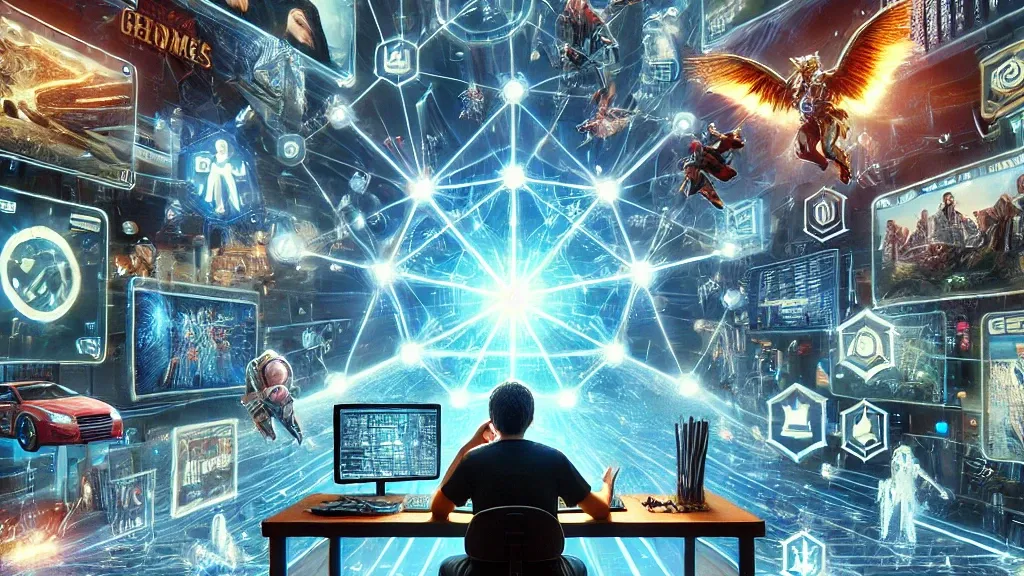
How Game Dive can improve Game Discovery!
Ad Fatigue and Distrust Are Real
Players are burned out by overhyped ads that don’t deliver. Who hasn’t been promised the “ultimate gaming experience,” only to be disappointed? This has led to:
🛑 Ad Fatigue: Players skip ads or block them entirely.
❌ Broken Trust: Many players now distrust game ads, making it harder for even high-quality titles to gain traction.
Fragmentation Is Holding Us Back
Discoverability is siloed across platforms. Steam, Apple, Google Play, Xbox—all have their own rules and priorities. Meanwhile:
🔄 Cross-platform play is rising, but discovery hasn’t caught up.
📉 Smaller developers are left behind as algorithms favor the giants.
The Engagement Gap
Here’s a stat to think about: Players who engage with a game for 30+ minutes in their first session are exponentially more likely to return.
❓So why do discovery platforms still rely on static trailers or screenshots? Players don’t want to guess if they’ll like a game—they want to experience it.
Developers Are Losing Faith
From speaking to publishers and developers, one thing is clear:
🗨️ “The tools we have now don’t work. It feels like throwing darts in the dark.”
Developers face:
- Opaque algorithms: No insight into how their games are discovered.
- High costs: User acquisition budgets are skyrocketing with lower returns.
Opportunities Missed: Web3, AI, and Beyond
As the industry explores Web3, blockchain, and AI, the need for better discovery tools grows.
🔗 Web3 games lack centralized storefronts. 🤖 AI-powered discovery is just scratching the surface.
Your Voice Matters
Here’s the big question: How do you think we can fix discovery? Is it about interactive demos? Smarter data? Unified platforms? Something entirely new?
💬 Let me know your thoughts in the comments or reply to this email. This isn’t just a problem to discuss—it’s a challenge to solve.
A Path Forward
The solution lies in rethinking discovery itself:
- Play-to-Discover Models: Shift from ads and trailers to interactive moments where players engage with the game firsthand.
- Data-Driven Personalization: Move beyond surface-level recommendations. Use playtime, behaviors, and deeper data to craft smarter discovery.
- Breaking Platform Silos: Build bridges across ecosystems, making discovery seamless for players, no matter the platform.
Let’s create a future where great games get the visibility they deserve.
What’s Your Take?
Discovery is the biggest challenge in gaming today. How do we fix it? Share your thoughts, ideas, and frustrations—I want to hear from you. Together, we can shape a better discovery experience for players, developers, and the industry.
