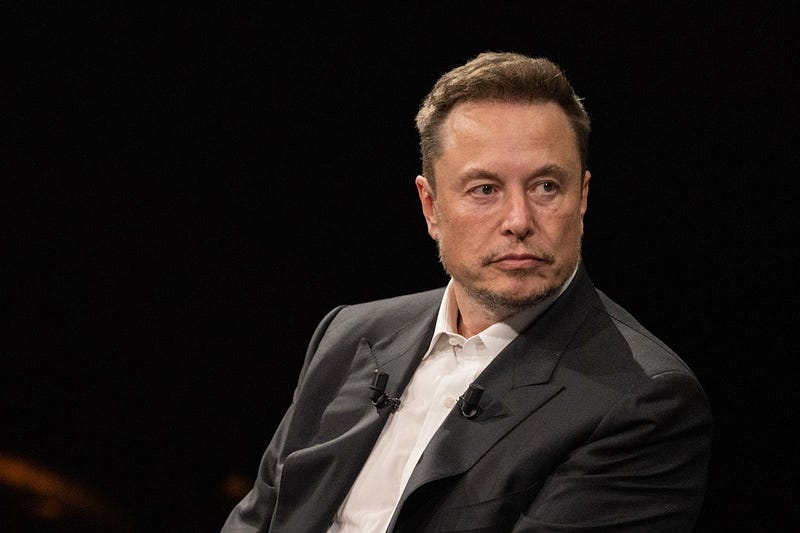
In the world of gaming, where authenticity and skill reign supreme, Elon Musk has inadvertently sparked a debate that transcends mere video games.
The Tesla and SpaceX CEO, known for his bold claims and unapologetic demeanor, recently admitted to using “boosting” services to achieve high ranks in games like Diablo IV and Path of Exile.
His confession has stirred up controversy, shining a spotlight on a practice that has existed in gaming for years but is now being reexamined through the lens of wealth, privilege, and the evolving culture of games.
Quick Message: Want the real gaming industry scoop? No fluff, just facts. Subscribe & stay ahead: https://reinouttebrake.com/subscribe
Gaming as a Status Symbol
Gaming is no longer a niche hobby relegated to basements and dorm rooms; it’s a multi-billion-dollar industry where success can translate into social capital. For someone like Musk, who often blurs the line between relatability and opulence, gaming becomes another arena to assert dominance. Achieving top ranks or competing at elite levels is no longer just about skill—it’s about signaling.
Boosting services, where professional gamers are paid to level up accounts or unlock rare items, have become a cottage industry. For the wealthy, this is a shortcut to social recognition in the gaming community, akin to owning a luxury watch or a rare piece of art. But does it come at the cost of gaming’s ethos of meritocracy?
The Power Dynamics of Boosting
Musk’s admission highlights an uncomfortable truth: wealth can buy you access, even in spaces meant to reward effort and skill. Boosting companies like MetaMMO and SkyCoach report millions in monthly revenues, with pro players earning thousands of dollars by grinding for others.
While this creates economic opportunities for gamers in countries like Russia and China, it also fosters a growing divide between those who can afford to “pay to play” and those who cannot.
This power dynamic is not unique to gaming. It mirrors broader societal trends, where the ultra-wealthy leverage their resources to bypass traditional hurdles, whether it’s in business, education, or entertainment. The question is: how does this shift gaming from a space of equal opportunity to one where privilege determines success?
The Ethics of Boosting
For purists, boosting is a betrayal of gaming’s core values. The idea that someone can “buy” their way to the top rank in Diablo IV or gain access to rare in-game items without earning them undermines the integrity of competition. Gamers who have spent months honing their skills understandably feel slighted.
Yet, boosters argue they are simply meeting demand. “Some players prefer to skip routine or repetitive content in favor of new challenges,” explains Eugene Shadrin, CEO of SkyCoach. This perspective reframes boosting as a service—a way to enhance the gaming experience for those who value time over effort.
For Musk, the ethics are secondary to practicality. In his words, competing with the top players in Asia requires collaborative play. Whether you view this as a pragmatic acknowledgment or an excuse depends on your stance on boosting.
Relatability vs. Reality
Musk’s persona as a relatable tech geek takes a hit with revelations like this. For gamers who see him as a kindred spirit, his reliance on boosting feels disingenuous. It’s a reminder that even in gaming, the world’s richest man operates with a level of privilege that most players can’t fathom.
At the same time, Musk’s unapologetic approach to the controversy—he openly admitted to boosting and questioned why he should apologize—aligns with his larger-than-life image. It’s another instance of Musk bending the rules to fit his narrative.
What This Means for Game Developers
Game developers face a dilemma. Boosting services are technically against the rules of most games, yet enforcement is limited. As boosting becomes more mainstream, should developers adapt by monetizing these practices, or should they double down on fairness and accountability?
Platforms like Blizzard and Grinding Gear Games have strict policies against boosting, but the growing demand suggests there’s a market opportunity. Whether developers embrace or resist this trend could shape the future of competitive gaming.
Gaming’s Identity Crisis
At its core, this controversy raises a bigger question: Is gaming still “the great equalizer”? Games have long been a space where anyone, regardless of background, could succeed through skill and dedication. But as boosting and pay-to-win mechanics become more prevalent, the industry risks replicating the same inequalities that exist in other parts of life.
For Musk, gaming is just another field to conquer, another metric to optimize. For the rest of us, his actions are a reminder that gaming—like society—is not immune to the influence of wealth and privilege. Whether this pushes the industry toward greater inclusivity or further stratification remains to be seen.
Final Thoughts
Elon Musk’s foray into boosting isn’t just a quirky anecdote about a billionaire gamer; it’s a reflection of broader trends reshaping the gaming world. As gaming continues to grow in cultural and economic significance, debates around fairness, access, and authenticity will only intensify.
The question is: can gaming maintain its spirit of meritocracy, or will it become yet another domain where privilege reigns supreme? For now, Musk’s admission serves as a reminder that even in virtual worlds, the real-world dynamics of power and privilege are never far behind.
More about Reinout te Brake