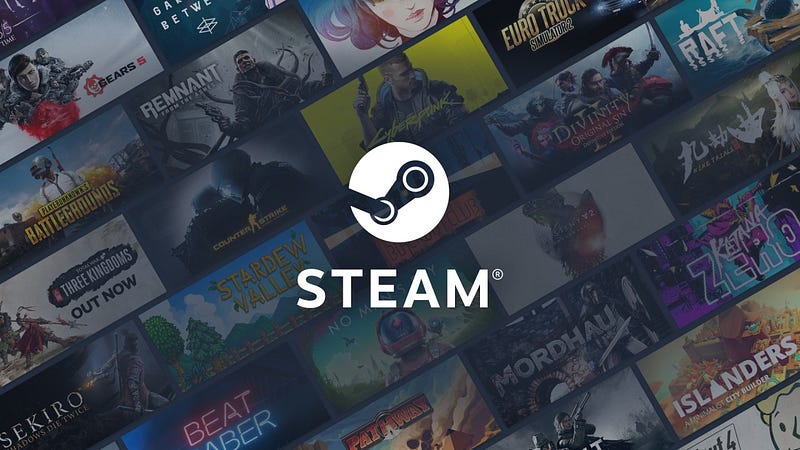
“With nearly 19,000 games released on Steam last year, developers face a new challenge: standing out in a sea of sameness.”
The gaming industry is evolving faster than ever, and the latest numbers from Steam underscore this acceleration. In 2024, Steam saw a record-breaking 18,974 new game releases, according to SteamDB. That’s a 32% increase from 2023 and part of a trend that has developers and publishers alike grappling with both unprecedented opportunities and challenges.
This surge in game releases isn’t happening in a vacuum. It’s driven by broader forces—the democratization of game development tools, the growing global appetite for games, and technological advancements in discovery and personalization.
Let’s break down what these trends mean for the industry and where they’re leading us.
Quick Message: Want the real gaming industry scoop? No fluff, just facts. Subscribe & stay ahead: https://reinouttebrake.com/subscribe
The Rise of Democratized Game Development
Game development is no longer the exclusive domain of major studios with deep pockets. Tools like Unity, Unreal Engine, and Godot have made creating high-quality games more accessible than ever before. With comprehensive tutorials, asset marketplaces, and thriving developer communities, a solo developer or small indie team can now produce games that rival those of AAA studios in terms of creativity and execution.
This democratization has led to incredible success stories. Consider Stardew Valley or Hollow Knight—games built by small teams or individuals that captivated millions of players worldwide. But for every breakout hit, there are hundreds of games that struggle to find an audience.
The sheer volume of releases means competition has never been fiercer. While the barrier to entry is lower, the barrier to visibility is higher. This is the double-edged sword of democratized development: more creators have a voice, but standing out in the crowd requires not just talent but also smart marketing and strategic positioning.
Challenges in an Overcrowded Marketplace
Steam’s growing library is both a blessing and a curse. For gamers, it means more choices than ever. For developers, it means a tougher fight for attention. The 18,974 new games in 2024 included many “Limited Games,” which failed to meet Valve’s minimum engagement metrics for badges and trading cards. This highlights a growing divide between games that thrive and those that fade into obscurity.
Discoverability is one of the biggest challenges. Steam’s algorithms, user reviews, and curation tools help, but they’re far from perfect. Many developers invest heavily in paid advertising and influencer marketing to stand out, but this isn’t always sustainable for smaller teams.
For developers, the reality is stark: launching a game is no longer the finish line; it’s just the beginning. Continuous updates, community engagement, and innovative marketing are now essential to maintaining visibility and momentum.
The Growing Importance of Metadata-Driven Discovery
In this crowded landscape, metadata is emerging as a critical tool for game discovery. Metadata includes details like genres, gameplay mechanics, player reviews, and even tags applied by users. When used effectively, metadata allows platforms to deliver personalized recommendations and help gamers find titles that truly resonate with their interests.
This is where innovations like Game Dive’s ‘Play-to-Discover’ model come into play. By offering personalized game recommendations and instant-play demos, Game Dive tackles one of the industry’s biggest challenges: connecting players with the right games. Allowing users to experience 5, 10, or 30 minutes of gameplay before committing to a download creates a deeper level of engagement and helps developers stand out.
Platforms like Steam and Epic Games Store are also leaning heavily on machine learning and curation to improve discoverability. But as the market grows, solutions like Game Dive that focus on personalized, data-driven discovery will likely play an increasingly pivotal role.
Opportunities in Saturation
Despite the challenges, the surge in game releases presents unique opportunities. A growing market for games globally — particularly in regions like China and India — means there’s room for innovation and growth. Niche genres, creative mechanics, and underserved audiences are ripe for exploration by developers willing to take risks.
Moreover, platforms and publishers have an opportunity to improve discovery systems. Investing in AI-driven personalization, better curation, and innovative marketing models can turn the challenge of overcrowding into a competitive advantage.
Conclusion: The Future of Game Discovery
Steam’s record-breaking year of releases reflects a dynamic industry filled with creativity, competition, and untapped potential. The democratization of tools has lowered barriers for developers, but discoverability remains the critical bottleneck. As metadata-driven solutions and instant-play demos become the norm, platforms and developers that embrace these innovations will shape the future of PC gaming.
The question isn’t whether the PC gaming market will keep growing—it’s how developers and platforms will adapt to ensure success in this increasingly crowded space. The next great leap in gaming won’t just be about creating great games; it will be about ensuring those games are discovered, played, and loved.
More about Reinout te Brake