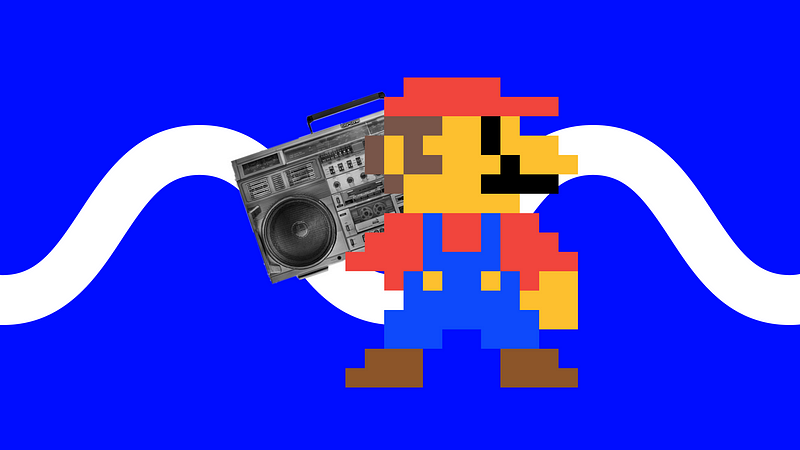
The gaming and music industries are more interconnected than ever. From Fortnite’s virtual concerts to TikTok-powered game soundtracks, both industries influence and shape the future of entertainment.
But despite their similarities, each industry has unique strengths the other could adopt.
Gaming thrives on monetization, engagement, and immersive experiences, while music dominates streaming, discovery, and viral marketing.
So, what if the future of gaming looked more like Spotify? And what if the future of music was more like Fortnite?
What Gaming Can Learn from Music
1. AI-Driven Personalization: Games Need Better Discovery
Spotify and Apple Music use AI-powered recommendations to keep users engaged, suggesting new songs and artists based on listening habits. In contrast, gaming discovery still relies on app stores, word-of-mouth, and platform recommendations, making it harder for new games to reach audiences.
Gaming platforms should adopt Spotify-like recommendation engines, suggesting new titles based on gameplay habits, player preferences, and social connections.
Read also: Game Dive: Playable in Seconds, Loved for a Lifetime
2. Subscription & Cloud Gaming Models: The Next Netflix for Games?
Music streaming gives users instant access to millions of songs for a flat monthly fee. Cloud gaming services like Xbox Game Pass and PlayStation Plus are attempting the same, but adoption is still in its early stages.
Game companies need to improve pricing models and infrastructure, making cloud gaming as seamless as streaming music.
3. Social Media & Virality: Where’s Gaming’s TikTok Moment?
TikTok has revolutionized music discovery, turning unknown songs into global hits. But gaming discovery still struggles with visibility, depending largely on YouTube influencers and Twitch streamers.
Game developers should embrace short-form viral content, making games easier to share on TikTok, Instagram Reels, and YouTube Shorts.
Read also: Roblox Just Got a Reality Check — Here’s What the Game Industry Should Learn
4. Short-Form Content & User-Generated Challenges
Music thrives on bite-sized, repeatable content — from viral dance challenges to 30-second song clips. Gaming, however, remains largely structured around long-form experiences.
Gaming could experiment with mini-challenges, quick-play modes, and social gaming formats to attract casual players.
What Music Can Learn from Gaming
1. Monetization Beyond Subscriptions: DLCs for Music?
Gaming monetization extends far beyond one-time purchases and subscriptions — through in-game items, DLCs, and premium content. Music, on the other hand, relies heavily on subscription fees and ad revenue.
What if music fans could buy limited-edition digital collectibles, artist-themed virtual items, or interactive experiences within metaverse spaces?
2. Immersive & Interactive Experiences: Music Needs a Metaverse
Gaming is highly interactive, while music is mostly passive consumption. However, virtual concerts in Fortnite, Roblox, and Decentraland show the potential of blending music with immersive digital spaces.
The music industry should invest in virtual concerts, AI-driven adaptive soundtracks, and interactive listening experiences that engage fans beyond just streaming.
Read also: The Battle for the Open App Store: Why Google’s Appeal Matters
3. Community-Driven Content: Music Needs More Fan Creativity
Gamers love modding and user-generated content (UGC), whether it’s Minecraft skins, GTA mods, or Roblox experiences. Music, on the other hand, often restricts fan engagement due to copyright issues.
Music platforms could allow more fan-driven remixes, custom playlists with exclusive content, and AI-generated collaborations, creating deeper audience participation.
4. Long-Term Engagement & Retention
Games keep players engaged for years through updates, expansions, and live-service models. Music streaming services, by contrast, struggle to maintain engagement beyond new releases.
Platforms like Spotify and Apple Music could introduce loyalty-based fan rewards, gamified listening streaks, or exclusive artist unlocks to retain listeners.
Read also: Why Gaming’s Future Belongs to Innovators
The Future: A Blended Digital Playground
So, what happens when gaming and music fully merge? Imagine:
- AI-generated soundtracks that adapt to your gameplay in real time.
- Music platforms that let you explore a concert in VR, instead of just listening.
- Games becoming the new record labels, launching artists through interactive experiences.
The lines between gaming and music are blurring, and companies that embrace this convergence will define the future of digital entertainment.
What’s your take? Should gaming become more like music, or vice versa?
Stay Connected: Gaming Trends, Insights, and Your Take
Thank you for reading. Every day I look at the gaming industry, read up on things, and talk to industry people. In my Medium blogs, I try to give my readers and 1.5K followers a solid sense of trends, analysis, investments, and more in gaming. If you found this interesting, I’d appreciate it if you shared the article — but even more, I’d love to hear your thoughts in the comments!