
April didn’t just deliver new titles, it also delivered a reality check.
In the span of one week, the gaming industry was hit with a flurry of pivotal moments: a beloved TV character’s sudden death shook the internet, Nintendo prepped its most important console launch in years while dodging trade tariffs, and multiple studios dropped releases that felt less like sequels and more like strategic statements.
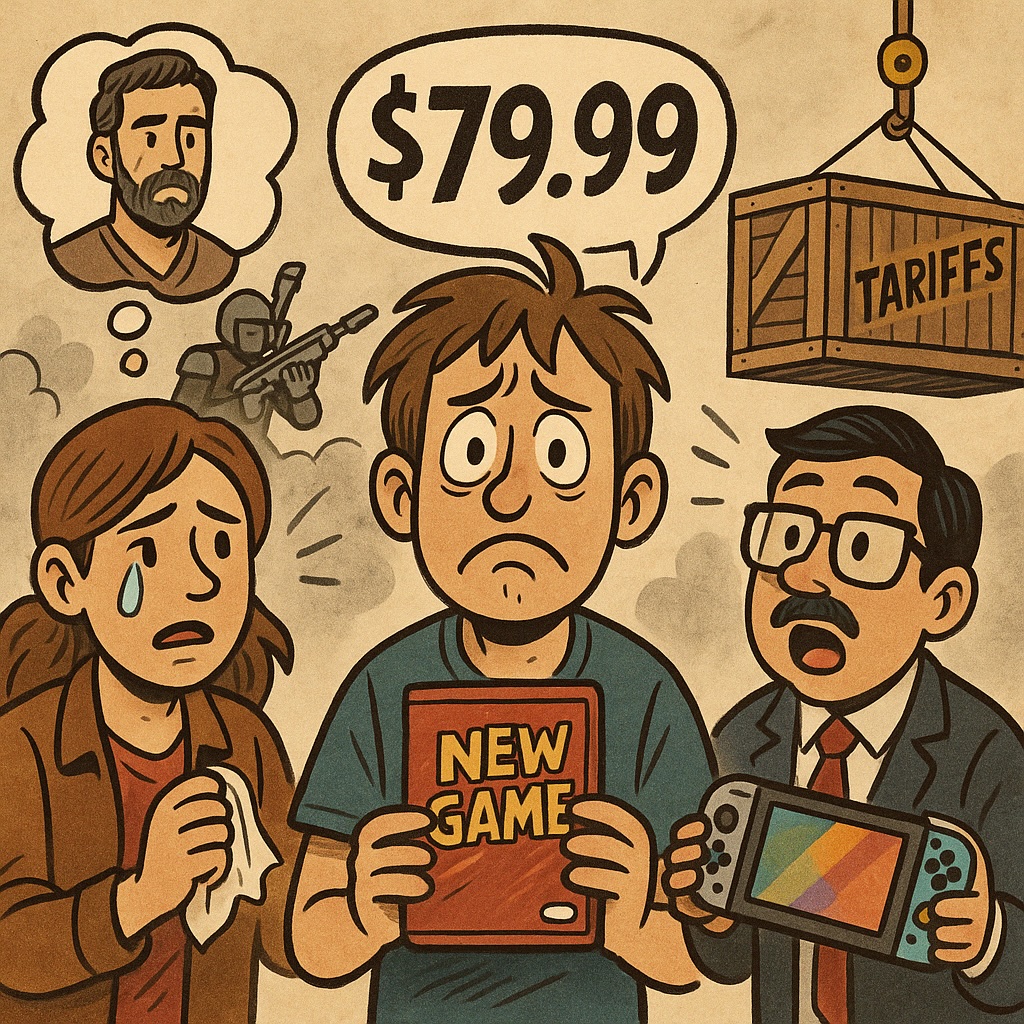
And then there was the price tag of $79.99 quietly becoming the new normal.
From breakout RTS surprises to long-awaited retro revivals and cross-platform storytelling, the week of April 14–21 wasn’t business as usual. It offered a clear view into the shifting balance of power between developers, consumers, and the platforms they meet on.
In this article, we break down what these events reveal not just about the games themselves, but about the future of how they’re made, played, and paid for.
Major Releases and Player Response
Mario Kart World: Bigger, Bolder, and Riskier
Nintendo is swinging big with Mario Kart World, the headline title for its upcoming Switch 2. For the first time, players can roam freely between tracks in a hybrid open-world design, race in 24-player online matches, and even rewind gameplay. These features mark the biggest shake-up in the series since Double Dash!! two decades ago.
But innovation comes at a price, literally. The game launches at $79.99, part of a growing trend toward premium pricing that’s drawing scrutiny.
On Reddit, one user called it “a landmark title priced like a luxury item.”
Preorders remain strong, but online chatter reveals unease about the shifting definition of value in modern gaming.
Takeaway: With Mario Kart World, Nintendo is not just launching a game, it’s testing the elasticity of nostalgia in a new pricing era.
Tempest Rising: The RTS Revival Nobody Saw Coming
Originally slated for April 24, Tempest Rising made a surprise debut on Steam after being accidentally released early. Rather than pulling it down, the developers let it ride and the gamble paid off.
With a retro Command & Conquer feel, modernized mechanics, and strong early reviews (PC Gamer gave it 85%), the game is quietly becoming the breakout PC title of the month.
What’s notable isn’t just the gameplay, it’s the way the launch went viral.
Within hours, YouTubers and Twitch streamers were broadcasting live reactions to the unexpected drop. Word-of-mouth buzz and nostalgia did what no marketing campaign could engineer.
Insight: In an era of controlled hype cycles, a happy accident may have taught the industry something about trust and timing.
Clair Obscur: Expedition 33, Prestige RPGs Are Back
With Clair Obscur: Expedition 33 launching April 24, anticipation is high for what could become 2025’s sleeper hit.
Built in Unreal Engine 5, the game blends painterly art direction with a unique turn-based combat system that feels both strategic and cinematic.
Developed by Sandfall Interactive, a Paris-based studio, the game has gained traction not just for its visuals, but for its voice cast and lore.
Pre-release demos show a structure similar to Persona 5 meets Final Fantasy X, with emotional storytelling and combat tied directly to character decisions.
Outlook: If Expedition 33 succeeds, it could signal a resurgence of high-concept RPGs in a market dominated by action-shooters and remakes.
Fatal Fury: City of the Wolves, Fighting for Legacy
After a 26-year hiatus, SNK’s Fatal Fury returns with a distinct visual style and an ambitious REV system designed to blend accessibility with tactical depth.
The game launches April 21, with two control modes: “Legacy” for veterans and “Smart” for newer players.
Fighting game communities are buzzing. On forums like r/Fighters and Discord servers, fans are already theory-crafting tier lists.
This is more than nostalgia, it’s part of a broader trend of retro franchises being retooled for longevity rather than short-term fan service.
Signal: SNK’s return shows that legacy IPs can evolve, and still compete, if they respect their roots while modernizing systems.
Hardware and Strategy: Pricing, Pressure, and Platform Shifts
The $79.99 Standard: When Premium Becomes the New Baseline
A quiet but telling shift happened this week: two of the most high-profile titles: Mario Kart World and Indiana Jones and the Great Circle (now on PS5) launched or relaunched at $79.99.
What used to be a collector’s edition price is increasingly the new norm, especially for AAA console titles. While publishers point to development costs, cross-platform optimization, and global inflation, player sentiment tells a more complex story.
On X and Reddit, reactions have been mixed:
One Reddit user summarized the mood: “I’ll pay it for Mario Kart, but not everything should cost this much.”
This week’s pricing trend isn’t just a number, it’s a referendum. And players are paying attention.
Takeaway: $79.99 might be sustainable for top-tier franchises — but for mid-tier and new IPs, this pricing floor could become a glass ceiling.
Nintendo’s Supply Chain Pivot: The Geopolitics of Play
As it readies the Switch 2 launch on June 5, Nintendo is navigating more than just player expectations, it’s navigating tariffs.
A new report from Reuters confirms that Nintendo will shift U.S.-bound production away from China, instead leveraging manufacturing hubs in Vietnam and Cambodia.
But, while Nintendo has previously diversified its manufacturing sites, including moving some production to Vietnam, there is no recent official confirmation about shifting production specifically to Vietnam and Cambodia for the Switch 2.
This preemptive move comes as the U.S. government intensifies its trade stance on Chinese electronics, including consumer hardware.
For Nintendo, this is a clear risk-management play. But it’s also a signal that hardware strategy is no longer just about specs and performance, it’s also about logistics, cost hedging, and geopolitical foresight.
Insight: The launch of Switch 2 isn’t just a gaming event, it’s a supply chain test case for the entire consumer electronics industry.
Platform Competition Heats Up
Underneath it all is a platform race that feels tighter than ever. Steam, PlayStation, and Xbox are each banking on different strategies:
- Steam: Leveraging organic virality, as seen with Tempest Rising’s accidental launch.
- PlayStation: Expanding into cinematic crossovers (The Last of Us, Ghost of Tsushima movie).
- Nintendo: Betting on deep IP loyalty and hardware-software synergy with the Switch 2.
Each strategy works, for now.
But this week showed the cracks, too: consumer fatigue around pricing, logistical hurdles in distribution, and the growing expectation that “premium” should also mean playable, social, and personal.
Cross-Media and Cultural Impact: When Games Write the Scripts
The Last of Us Season 2: A Death Heard Around the World
On April 17, HBO aired the second episode of The Last of Us Season 2 and with it, dropped a narrative bomb. Joel, played by Pedro Pascal, was killed off in an emotionally brutal scene that mirrors the plot twist from The Last of Us Part II.
Within minutes, X (formerly Twitter) trended with over 700,000 mentions, and YouTube reaction channels lit up with breakdowns, tears, and debates.
Some viewers were stunned. Fans of the game were vindicated. Newcomers were divided.
This wasn’t just a dramatic turn, it was a cultural moment shaped by game narrative. And HBO didn’t flinch.
“We’re following the game’s emotional truth, not its timeline.”
— Kaitlyn Dever, in EW interview, April 18
What’s remarkable is how loyal the show remains to its gaming source material, a reversal of the usual power dynamic, where games follow films.
In The Last of Us, the game is canon, and Hollywood is listening.
Signal: As games evolve into storytelling engines, their influence on film and television is no longer complementary, it’s directive.
A Bigger Pattern: Games as Narrative IP
The Last of Us isn’t alone. Over the past two years, we’ve seen:
- Fallout greenlit for a second season by Amazon after strong viewership
- Arcane winning Emmys and Peabody Awards for League of Legends lore
- Ghost of Tsushima’s film adaptation entering principal casting
This week’s reaction to Joel’s death only cements a broader truth: gaming IPs are no longer “inspired by” Hollywood — they’re shaping it.
What once lived in the margins of gamer culture is now driving subscriber retention strategies for streamers. And studios are taking note.
💡 Insight: In 2025, the fastest-growing content franchises aren’t being written in writers’ rooms, they’re being playtested.
Player Sentiment and Market Signals: What Gamers Are Really Saying
The Titles That Moved the Needle
According to Google Trends, these were the top search spikes in gaming last week:
- Switch 2 release date: spiked +410% between April 15–18
- Mario Kart World gameplay: +370%, especially after Nintendo’s Direct
- Clair Obscur Expedition 33: +220% from almost zero, showing breakout awareness
- Tempest Rising Steam: surged after the accidental launch, validating word-of-mouth buzz
SEO platforms like Ahrefs also show long-tail searches increasing around:
- “Why are games $80 now?”
- “Tempest Rising early release explained”
- “Joel Last of Us death TV”
These aren’t just trends, they’re search intent signals pointing to player curiosity, confusion, and emotional engagement.
Twitch and YouTube: Sentiment Through Streams
On Twitch:
- Tempest Rising streamers collectively hit over 1.5 million minutes watched in the first 48 hours post-launch.
- Clair Obscur previews were covered by major RPG streamers, with “reaction” thumbnails already trending before release.
On YouTube:
- The top Mario Kart World reaction video crossed 750K views in 3 days.
- The Last of Us S2E2 reaction mashups flooded the algorithm, many non-gaming creators jumped on the trend, showing crossover interest.
These platforms continue to serve as barometers for hype, backlash, and anticipation, offering real-time sentiment that static reviews can’t capture.
Insight: A game’s market potential is increasingly visible before launch, if you know where to look and how to read the signals.
Reddit, Discord and Player Forums: Where Loyalty Meets Skepticism
On Reddit:
- r/Games and r/NintendoSwitch featured top posts debating the $79.99 price point, many expressing concerns about affordability.
- r/Fighters had technical previews and wishlist rosters for Fatal Fury, showing strong community investment pre-launch.
Across Discord:
- Clair Obscur watchlists are forming around its lore and art direction.
- Smaller dev-focused servers flagged Tempest Rising as a case study in unexpected early access success.
These conversations reflect a key shift: players aren’t just talking about whether a game is “fun”, they’re questioning its value, its legacy, and whether it respects their time and money.
Sentiment Summary: Players want innovation, but they’re watching closely. Trust is now a currency and not every studio earns it by default.
A Moment of Truth for Games in 2025
April 2025 didn’t just deliver content, it delivered context.
From Nintendo’s strategic supply chain moves to surprise launches like Tempest Rising and emotionally charged moments like Joel’s TV farewell, the week offered a rare convergence of gameplay, global markets, and pop culture.
If there’s a through-line, it’s this: games are no longer isolated products, they’re platforms for influence, emotion, and economic experimentation.
The $79.99 price point may hold, or it may break.
Cross-media storytelling may deepen or dilute. But what’s certain is that players are more informed, connected, and cautious than ever before.
Studios can no longer assume loyalty. They must earn it, launch by launch, beat by beat.
Closing Insight: In a market where attention is currency and community trust is capital, the studios who listen and act, will define gaming’s next chapter.
What do you think:
Is $79.99 the new normal or a tipping point?
How much are you willing to pay for innovation, nostalgia, or story?
Links used for this article:
- Joel’s death in The Last of Us Season 2
https://ew.com/the-last-of-us-season-2-pedro-pascal-shocker-kaitlyn-dever-bella-ramsey-on-set-exclusive-11717893/ - Switch 2 announcement
https://www.ign.com/articles/mario-kart-world-direct-everything-announced-for-the-switch-2-launch-title - $79.99 pricing model (via GamesRadar)
https://www.gamesradar.com/mario-kart-world-switch-2-release-date-price/ - Mario Kart World game details
https://www.ign.com/articles/mario-kart-world-direct-everything-announced-for-the-switch-2-launch-title - Reddit pricing thread for Mario Kart World https://www.reddit.com/r/NintendoSwitch/comments/1blz2co/mario_kart_world_7999_price_tag_reaction_thread/
- Tempest Rising early Steam launch
https://www.pcgamer.com/games/rts/it-looks-like-tempest-rising-accidentally-launched-early-on-steam-for-everyone-despite-withholding-advanced-access-as-a-deluxe-edition-pre-order-bonus/ - Nintendo’s supply chain shift (Reuters)
https://www.reuters.com/world/china/nintendo-faces-trade-war-test-with-switch-2-launch-2025-04-21/ - Clair Obscur: Expedition 33 preview
https://www.windowscentral.com/gaming/clair-obscur-expedition-33-release-date-launch-times-and-when-it-comes-out-in-your-time-zone - Fatal Fury: City of the Wolves official press release
https://www.snk-corp.co.jp/us/press/2025/042103/
