
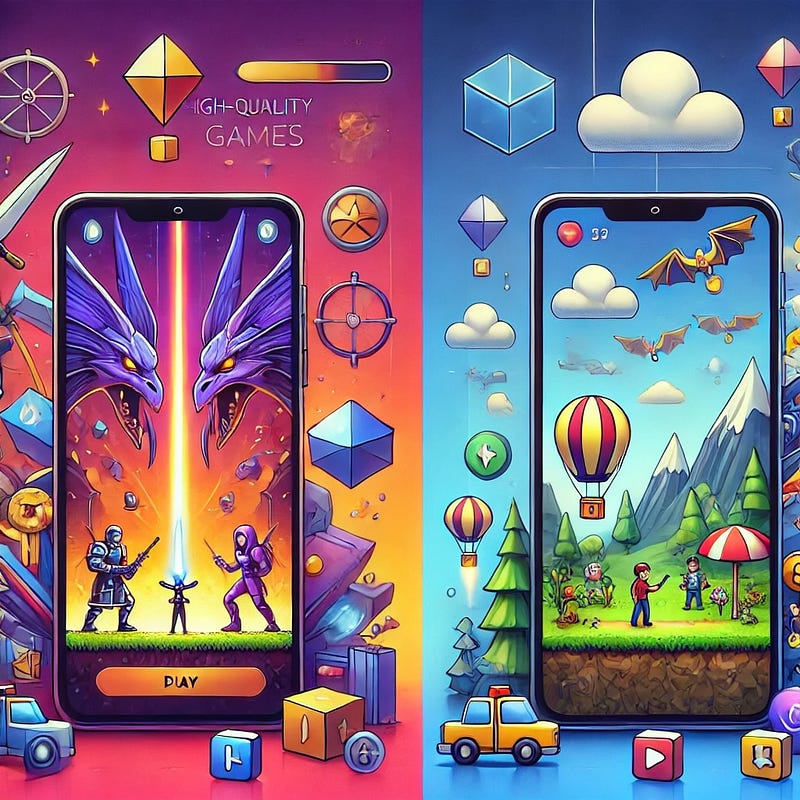
Have you ever been drawn in by a mobile game ad that promised stunning visuals, thrilling challenges, or captivating stories, only to download the game and find something entirely different? If so, you’re among millions who’ve experienced the phenomenon of “fake games.” These games rely on misleading advertising to attract players, creating frustration and eroding trust.
Quick Message: Want the real gaming industry scoop? No fluff, just facts. Subscribe & stay ahead: https://reinouttebrake.com/subscribe
A recent study from Penn State delves into this growing issue, highlighting how many mobile games fail to meet the expectations set by their ads. The researchers identified five common tactics that fake games use to deceive players:
- Gameplay Disguise — The mechanics and visuals shown in ads often don’t exist in the actual game.
- Narrative Pretense — Ads frequently promise engaging storylines that are either absent or vastly different in the game.
- Popular Externalization — Advertisements feature trending topics, celebrities, or assets from popular games, often breaching intellectual property rights.
- Ruleset Distortion — The difficulty and progression methods in the ads differ significantly from those in the game.
- Incentive Illusion — Ads make rewards and advancement seem far easier than they actually are.
Why Does This Matter?
Fake games exploit a legal gray area. Most are free-to-play, meaning players don’t pay upfront. Instead, these games generate revenue through ads and in-game purchases. This model creates a loophole: since there’s no initial cost, regulatory bodies like the Federal Trade Commission struggle to enforce rules against misleading practices.
The impact on players goes beyond wasted time. Many feel manipulated, frustrated, or even angry. Worse, some games expose users to privacy risks and unexpected financial losses through aggressive monetization tactics.
A Path to Redemption
Interestingly, the researchers noted that “fakeness” is not necessarily permanent. Developers can fix these issues by aligning their games with advertised promises through updates. With most mobile games now operating as live service platforms, developers have ample opportunities to rebuild trust with their audiences. The question is whether they’ll choose to do so.
Lessons Beyond Gaming
This issue isn’t just about mobile games. It’s a reminder of the broader importance of transparency and trust in marketing. Whether it’s a product, service, or app, consumers deserve honesty about what they’re getting.
What Can You Do?
- Stay skeptical of ads that seem too good to be true.
- Read reviews from other players before downloading.
- Report misleading ads on platforms where they appear.
- Support honest developers by leaving positive feedback for games that deliver on their promises.
Have you encountered a fake mobile game? What was your experience like? Let’s discuss how we can hold developers accountable and promote transparency across industries. Share your thoughts in the comments below!
