
The Broken System of Game Discovery
The transition from click-based to play-based discovery is just beginning, but the impact could be as significant as when streaming replaced physical media in film and music.
- Netflix changed how we watch TV.
- Spotify changed how we listen to music.
- Thrum’s ‘Play-to-Discover’ has the potential to change how we find and engage with games.
As more platforms, publishers, and developers experiment with interactive discovery, the industry is moving toward a future where playtime — not clicks — becomes the defining metric for success.
The question is no longer if this shift will happen, but who will lead it. Thrum, a company at the forefront of this shift, believes that playtime is the strongest predictor of intent and retention.
For decades, discovering new games has worked the same way. You see a flashy trailer, maybe read a few reviews, and if you’re interested, you take the plunge — either by downloading, subscribing, or making a purchase.
It’s an old formula, and for the most part, it’s been enough to keep the industry running.
But things are changing.
The gaming market has exploded, with over 19,000 games released on Steam in 2024 alone, not to mention thousands more across mobile, console, and cloud platforms.
With so much choice, the biggest challenge isn’t playing games — it’s deciding which ones are worth your time.
The numbers tell the story.
More than 60 percent of players feel overwhelmed by the sheer number of games available.
Conversion rates on traditional game ads are declining, and platforms that once relied on trailers, ratings, and written reviews are struggling to engage audiences in a meaningful way.
The industry is at a crossroads. The way people find and commit to games needs to evolve. And the answer, it turns out, isn’t more ads, better trailers, or another layer of AI-powered recommendations.
It’s something far simpler: let people play before they decide.
This is where Play-to-Discover comes in.
Subscribe Today! Get exclusive gaming industry insights from Reinout te Brake — a gaming veteran with real data, deep expertise, & game-changing perspectives. Join 1.3K+ others — subscribe now and stay ahead!
It’s a shift away from the outdated model of passive game discovery, where players watch, read, and click. Instead, the focus is on active engagement, where the best way to learn about a game is to experience it firsthand.
Thrum, a company at the forefront of this shift, believes that playtime is the strongest predictor of intent and retention.
Instead of forcing players to rely on ads or word-of-mouth, Thrum gives them instant access to real gameplay — without downloads, sign-ups, or barriers.
And the results are hard to ignore.
According to internal research, when players get just 10 minutes of hands-on gameplay, conversion rates jump to 46 percent. At 30 minutes, they rise above 60 percent. If a player sticks around for 120 minutes, conversion rates exceed 80 percent.
In short: the more people play, the more likely they are to commit.
This shift isn’t just good for players. It also changes the economics of game discovery.
Developers get higher engagement from real players, publishers see stronger retention and monetization, and platforms can build an ecosystem that keeps users coming back.
The traditional model of clicks, trailers, and review scores has been the backbone of the industry for years, but it no longer reflects how players actually decide what to play.
If streaming changed how we watch TV and Spotify reshaped how we listen to music, Play-to-Discover could redefine how we engage with games.
The question is: why hasn’t this been the standard all along?
The Problem: Why Game Discovery is Broken
For years, the gaming industry has relied on a passive discovery model — one built around marketing, reviews, and recommendations rather than actual player engagement.
But as the market has grown, this approach has started to show cracks.
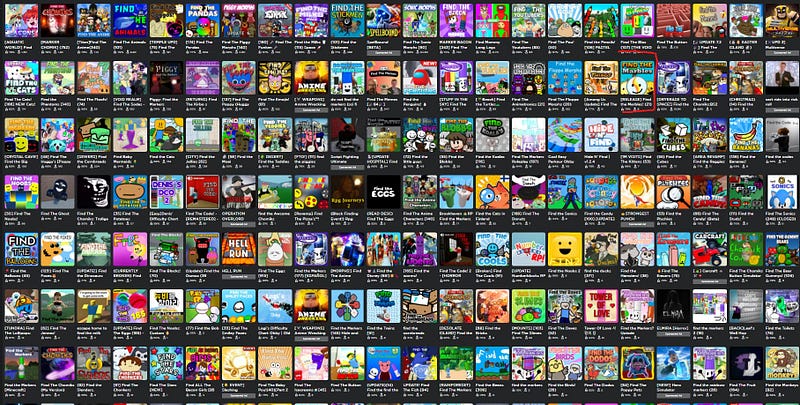
One of the biggest issues is choice paralysis. With so many new games launching every day, players struggle to filter through the noise.
On Steam alone, over 50 games are released daily.
The mobile market is even more saturated, with nearly 1,000 new games appearing on app stores each week.
This flood of content means players are often overwhelmed rather than excited. They might see an ad, watch a trailer, or read a review, but none of these experiences reflect what actually playing the game feels like.
As a result, they hesitate to commit — leading to low conversion rates and wasted marketing budgets.
The Limits of Traditional Game Marketing
For developers and publishers, getting noticed is harder than ever.
Traditional marketing methods — like trailers, influencer sponsorships, and paid ads — are expensive, often with disappointing returns:
- Click-through rates on game ads are declining. More than 90 percent of users skip video ads within the first five seconds, and most banner ads are ignored completely.
- Influencer-driven marketing is unreliable. While a viral hit can boost sales, most games struggle to cut through the noise, especially as players become more skeptical of sponsored content.
- Review scores don’t tell the full story. A game with a high rating might not resonate with every player, while overlooked titles with niche appeal can struggle to find their audience.
This outdated system forces developers to spend millions on marketing campaigns that don’t guarantee results.
In contrast, letting players experience a game firsthand is a far more reliable way to determine whether they will engage with it long-term.
Players Want Hands-On Experiences
The biggest issue with game discovery today is that it doesn’t reflect how players actually decide what they want to play.
Unlike movies or music, where passive consumption works, games require active participation. Players need to feel the mechanics, experience the pacing, and get immersed in the world.
When faced with the choice between watching a two-minute trailer or playing the game for five minutes, most players would choose to play — if that option existed.
Data backs this up:
- When players try a game for 10 minutes, conversion rates hit 46 percent.
- At 30 minutes, over 60 percent commit.
- If they play for 120 minutes, conversion rates exceed 80 percent.
These numbers highlight a simple truth: playtime is the strongest predictor of intent.
If a player enjoys the first few minutes of a game, they are far more likely to keep playing — and ultimately spend money on it.
This shift in behavior suggests that Play-to-Discover is not just a better way to market games — it’s a fundamental improvement in how players engage with content.
The Shift: How Thrum Sees the Future
The gaming industry has spent years optimizing how games are marketed.
Publishers have fine-tuned advertising strategies, influencers have built entire careers around game promotion, and platforms have invested in AI-driven recommendations.
But despite all these efforts, the discovery process remains inefficient.
Thrum is betting on a fundamentally different approach — one that shifts the focus from watching to playing.
Instead of expecting players to commit based on trailers, reviews, or word-of-mouth, Thrum lets them experience the game firsthand before making a decision.
This approach, called Play-to-Discover, isn’t just a small tweak to existing discovery methods — it’s a complete shift in how engagement is measured and monetized.
From Clicks to Playtime: The Core Idea
The old system of game discovery relies on indirect indicators of interest — impressions, clicks, and time spent watching a trailer.
But these metrics don’t necessarily translate to long-term engagement.
Someone might watch a game trailer, click on an ad, or even download a game, but that doesn’t mean they’ll stick with it.
Thrum proposes a better metric: actual playtime.
- If a player spends 10 minutes in a game, they are already engaged.
- If they continue playing for 30 minutes, the chances of them converting increase dramatically.
- If they reach the 120-minute mark, they are more likely to spend money, subscribe, or fully commit.
This model aligns incentives differently.
Instead of just trying to grab attention, Thrum’s system keeps players engaged by making discovery an interactive experience.
How It Works: The Play-to-Discover Model
Thrum’s technology allows players to instantly try a game — without downloads, without accounts, and without barriers.
This can happen in several ways:
- Embedded Playable Game Ads — Instead of watching a static video, players can start playing a short demo directly from an ad.
- Seamless Game Trials on Platforms — A player browsing a gaming platform can instantly launch a time-limited session instead of relying on written descriptions or ratings.
- Smart TV & Mobile Integration — Game trials can be launched from smart TVs, mobile devices, or cloud gaming services without requiring an installation.
This approach benefits everyone:
- Players get instant access to real gameplay, removing uncertainty.
- Developers get higher-quality engagement, leading to better conversion rates.
- Platforms create a stickier ecosystem, where users stay longer and interact more.
Data-Driven Personalization: Smarter Game Discovery
Beyond instant access, Thrum.gg is also using AI and player engagement data to personalize game recommendations based on real play behavior.
Traditional game recommendation engines rely on purchase history or click behavior, which can be misleading.

Just because a player clicked on a game or watched a trailer doesn’t mean they were actually interested.
Thrum’s approach is different. It tracks actual play patterns — not just what players look at, but what they actively engage with.
This data helps refine which types of games a player is likely to enjoy, leading to smarter, more relevant recommendations.
The Bigger Impact on Game Discovery
The implications of Play-to-Discover go beyond just making game trials more accessible.
This shift could reshape how the entire industry thinks about marketing, engagement, and monetization.
Instead of developers paying for click-based ads that may or may not convert, they could instead pay based on real engagement metrics:
- Cost-per-Engagement (CPE): Developers only pay when players reach a certain playtime threshold.
- Usage-Based Trials: Players can try premium games for a set period before committing to a subscription or purchase.
- Revenue Share Models: Platforms and developers split earnings based on actual engagement, rather than paying upfront for discovery.
This kind of engagement-first discovery model aligns incentives between players, developers, and platforms, making game discovery less about selling and more about playing.
The industry is already showing signs of moving in this direction.
Several major platforms are exploring interactive game trials, and research suggests that player-driven discovery leads to stronger retention and higher conversion rates than traditional ads.
The Technology Powering the Shift
For Play-to-Discover to work at scale, it needs more than just a good idea — it requires the right technology.
The gaming industry has long struggled with friction in discovery.
Downloading a game takes time, creating an account is a barrier, and jumping between devices isn’t always seamless.
Thrum has built its technology to remove these roadblocks, making instant access to gameplay a reality.
How Instant Play Technology Works
The core of Thrum’s approach is instant play technology — a system that allows players to jump into a game without downloads, installations, or logins.
This isn’t streaming in the traditional sense, but a more lightweight approach where players can immediately experience a fully functional trial of a game in just seconds.
This is achieved through a combination of:
- Cloud-powered game sessions that eliminate the need for large downloads.
- Direct game execution from ads, recommendations, or platform home screens.
- Optimized low-latency connections that ensure smooth gameplay without requiring high-end hardware.
For players, this means no waiting, no setup — just instant access to gameplay.
For developers and publishers, it provides a direct engagement channel that is more effective than trailers, ads, or reviews.
Personalization Through Play Data
Thrum’s system doesn’t just let people play games — it also learns from their engagement to improve game recommendations.
Most current recommendation engines rely on purchase history, social trends, or AI-driven predictions based on what similar players have bought.
The problem?
They don’t reflect what people actually enjoy playing.
Thrum’s approach is engagement-first:
- Instead of tracking what players click on, it tracks what they play and for how long.
- If a player spends 30 minutes on a specific genre, the system refines future recommendations accordingly.
- It prioritizes real interaction over passive browsing behavior.
This leads to smarter, more relevant recommendations, reducing the problem of discovery fatiguethat plagues many gaming platforms.
Why This Matters for the Industry
The traditional approach to game discovery is losing effectiveness. Players are exposed to thousands of games but struggle to find ones they actually enjoy.
Thrum’s instant play and engagement-driven model flips this by:
- Eliminating friction: No more downloading or account creation — just instant access.
- Using real play data to improve discovery: Recommendations are based on what players engage with, not just what they look at.
- Providing a stronger conversion pathway for developers: Instead of paying for ads that might be ignored, developers can let players experience the game firsthand.
Scalability: A Model Built for the Future
Thrum’s technology is designed to be integrated across multiple platforms, not just a standalone solution. This means it can work within:
- Smart TV ecosystems, where games can be launched directly from recommendations or ads.
- Cloud gaming services, allowing instant trials before full gameplay begins.
- Mobile and desktop platforms, enabling quick, interactive demos without installations.
The shift toward instant access and interactive discovery is happening across the industry.
The question now is who will lead this change?
The Business Impact of Play-to-Discover
Game discovery has traditionally relied on impressions, clicks, and paid marketing campaigns to attract players.
Developers spend millions on ads, influencer sponsorships, and storefront promotions — hoping that enough people will be convinced to buy or download their game.
But the reality is that traditional marketing is becoming less effective. Banner ads are ignored.
Influencer-driven campaigns are unpredictable.
And even when a game gets attention, conversion rates remain low because watching a trailer is not the same as playing the game.
Thrum’s Play-to-Discover model introduces a new way to drive engagement — one that is built on playtime rather than clicks.
Instead of paying for exposure, developers and platforms can invest in direct engagement, ensuring that the people who try their game are genuinely interested.
A Shift in Monetization: From Clicks to Engagement
The traditional cost-per-click (CPC) and cost-per-install (CPI) models are outdated and inefficient for game marketing.
Thrum replaces these with engagement-based revenue models:
- Cost-per-Engagement (CPE) — Developers only pay when a player reaches a defined playtime threshold (e.g., 10 minutes, 30 minutes).
- Usage-Based Trials — Platforms charge based on actual player engagement, allowing users to try games before committing to a purchase or subscription.
- Revenue Sharing for Subscription Platforms — Playtime determines payouts, ensuring that games people actually play receive the most revenue.
- Premium Playable Ads — Instead of static video ads, interactive game trials replace traditional ad spend — leading to higher conversion rates.
Why Developers and Publishers Are Paying Attention
The Play-to-Discover model solves a major inefficiency in game marketing.
Developers and publishers are tired of paying for impressions that don’t convert.
- With playable ads, developers reach high-intent users who are actively engaged.
- With usage-based trials, platforms give players the freedom to explore before committing.
- With engagement-based payouts, revenue is driven by actual playtime, not marketing spend.
For developers, this means better ROI on marketing budgets. Instead of paying for exposure, they pay for engagement — making every marketing dollar more effective.
For players, it means better discovery. Instead of guessing whether a game is worth their time, they can experience it firsthand.
For platforms, it means stronger retention.
When users engage with content through active participation rather than passive browsing, they stay longer, play more, and spend more.
The Future of Discovery: Why Playtime Matters More Than Ever
The broader shift toward engagement-first experiences is already happening.
Streaming services use watch time to recommend content.
Social media platforms prioritize engagement metrics over views.
In gaming, playtime is the most accurate indicator of user intent.
- A player who watches a trailer might be interested — but they haven’t engaged.
- A player who clicks on an ad might be curious — but they haven’t played.
- A player who spends 30 minutes inside a game has made an active choice — and is far more likely to commit.
This is why Play-to-Discover is not just a marketing strategy — it’s a new foundation for game engagement.
The Industry Shift: Why Play-to-Discover is Gaining Traction
The gaming industry is at a turning point. For years, companies have relied on click-driven discovery, investing billions in ads, storefront placements, and influencer marketing to reach players.
But the numbers tell a different story — conversion rates are dropping, players are fatigued, and engagement is becoming harder to maintain.
At the same time, a new wave of discovery models is emerging, driven by real engagement rather than passive interest. Instead of relying on what players watch or click, the focus is shifting to what they actually play.
Why Platforms Are Paying Attention
Several major gaming and technology companies are already exploring interactive game discovery.
The logic is simple:
- More engagement = better conversion. Players who try before they buy are far more likely to commit.
- Higher retention = better business. When players engage before subscribing or purchasing, they stay longer.
- Better targeting = stronger monetization. Engagement-based discovery generates more meaningful user data, leading to smarter recommendations and higher ad revenue.
While Play-to-Discover is still in its early stages, industry trends suggest that interactive discovery will become a standard feature across platforms, smart TVs, and mobile devices.
Smart TVs and the Future of Game Discovery
One area where Play-to-Discover is especially relevant is smart TVs and cloud gaming platforms.
Unlike traditional consoles, which require dedicated hardware and long downloads, smart TVs offer frictionless access to entertainment — making them a perfect fit for instant-play experiences.
- Instead of launching a game from an app, players could start playing directly from a recommendation or an ad.
- Instead of seeing a trailer in a storefront, they could experience a live demo instantly.
- Instead of navigating complex menus, they could be matched with games based on their actual play preferences.
For smart TV manufacturers and cloud gaming platforms, this creates a stronger ecosystem where players spend more time engaged — leading to better monetization opportunities through premium ads, subscriptions, and direct game purchases.
Cross-Device Gaming: From Mobile to TV
Another shift in game discovery is seamless cross-device experiences. Players expect to move effortlessly between mobile, PC, console, and TV — without losing progress or needing to restart.
Play-to-Discover fits naturally into this trend:
- Instant game trials on mobile devices. Players could try a game from an ad on their phone, then continue playing on a TV or cloud platform.
- Virtual controllers as an entry point. Instead of requiring a console, players could use their mobile devices as controllers — lowering barriers to entry.
- Cloud-powered progression. A player could start a session on one device and continue playing from where they left off on another.
This kind of cross-device engagement is already gaining traction in cloud gaming, and Play-to-Discover could become a key component of how games are introduced and consumed in the future.
The Role of AI in Discovery
AI is playing an increasingly important role in personalizing content across industries — and gaming is no exception.
However, most current AI-powered recommendations are still based on passive data like watch history, purchase behavior, or social activity.
Play-to-Discover changes this by introducing engagement-driven AI, which:
- Uses playtime as a core metric to understand player preferences.
- Analyzes in-game behavior to refine future recommendations.
- Continuously adapts based on real interactions rather than external signals.
Instead of relying on purchase history to recommend games, platforms could use actual gameplay data to surface highly relevant suggestions — leading to higher engagement and better retention.
The Next Evolution of Game Discovery
The transition from click-based to play-based discovery is just beginning, but the impact could be as significant as when streaming replaced physical media in film and music.
- Netflix changed how we watch TV.
- Spotify changed how we listen to music.
- Play-to-Discover has the potential to change how we find and engage with games.
As more platforms, publishers, and developers experiment with interactive discovery, the industry is moving toward a future where playtime — not clicks — becomes the defining metric for success.
The question is no longer if this shift will happen, but who will lead it.
The Future of Game Discovery: What Comes Next?
The gaming industry has always evolved alongside technology.
From arcade machines to home consoles, from physical discs to digital downloads, and now from local gaming to cloud-based experiences — every shift has been about making access to games faster, easier, and more engaging.
Play-to-Discover represents the next logical step in this evolution.
It challenges the old way of doing things, where players rely on trailers, reviews, and recommendationsto make decisions.
Instead, it introduces a model where the best way to discover a game is simply to play it.
What This Means for Players
For players, Play-to-Discover eliminates the guesswork from choosing a game.
Instead of relying on marketing hype, they can experience gameplay firsthand, leading to:
- More informed decisions — No more buying or downloading games based on assumptions.
- Less friction — Instant access without installations or sign-ups.
- Better personalization — Game recommendations that reflect actual play preferences, not just browsing history.
This approach makes game discovery an active process, allowing players to explore games in a way that feels natural and engaging.
What This Means for Developers & Publishers
For developers, Play-to-Discover is a game-changer in how they reach new players.
Instead of paying for ads and hoping for conversions, they can invest directly in engagement, ensuring that marketing budgets are spent on actual playtime, not just visibility.
This model offers:
- Higher-quality engagement — Instead of random clicks, developers reach players who are already invested.
- Stronger retention — Players who try before they buy are more likely to continue playing.
- More efficient marketing spend — Money is spent on real engagement, not wasted impressions.
The shift toward usage-based trials, engagement-driven monetization, and playable ads means that developers only pay for meaningful interactions, making game marketing more sustainable and effective.
What This Means for Platforms & the Industry
For platforms — whether it’s smart TVs, cloud gaming services, mobile stores, or console ecosystems.
Play-to-Discover creates a more engaging and profitable way to introduce games.
- Smart TVs could become game discovery hubs, where players instantly try games from ads or recommendations.
- Cloud gaming services could lower barriers to entry, allowing players to explore games before subscribing.
- Mobile gaming could shift toward interactive trials, replacing traditional CPI ads with real gameplay experiences.
With streaming, mobile, and cloud gaming converging, Play-to-Discover is perfectly positioned to bridge these ecosystems — offering a unified, frictionless way for players to explore games.
Why This Shift is Inevitable
The Play-to-Discover model isn’t just a new feature — it’s a fundamental restructuring of how games are marketed and discovered.
- Playtime is the best predictor of engagement.
- Engagement is the strongest driver of conversion.
- The industry is already moving toward interactive discovery.
Much like Netflix made content instantly accessible and Spotify changed how we consume music, Play-to-Discover has the potential to reshape how games are introduced, played, and monetized.
The End of Passive Discovery
The gaming industry has spent decades trying to improve discovery without changing the core process.
But with Play-to-Discover, the old model of watching and clicking is being replaced by playing and engaging.
For players, it means better discovery.
For developers, it means better engagement.
For platforms, it means better retention and monetization.
This isn’t just a trend — it’s the future of game discovery.
The only question left is: who will embrace it first? The answer? thrum!
The gaming industry is changing fast. Are you keeping up?
Every day, I track gaming trends, analyze market shifts, and talk to industry leaders. My goal? To give you real insights — data-driven, strategic, and ahead of the curve.
If you found this piece valuable, I’d love to hear your thoughts in the comments. But, Tap the clap 👏 button 50 times or more if you enjoyed my story! It would help me to get more visibility for my article.
And if you want more, check out my curated reading list of must-read articles on gaming.
Want to stay ahead of the game? Follow me on LinkedIn for deep insights and industry analysis, or subscribe to our newsletter.
