The Real Gamble in Gaming Is Surviving to Make the Next Game
Studio survival, publishing terms and the difference between financing one game and sustaining the people making it.
Gaming / 02
Studios, players and where the money moves.
I write about the business behind games: who gets funded, how players find a game and who controls the relationship after a purchase. Market growth is one part of the picture. The more useful question is what that growth means for studios, publishers and the people playing.
Studio survival, publishing terms and the difference between financing one game and sustaining the people making it.
An October 2026 snapshot of mobile, casual, PC, console and MMORPG results, with player research and clearly dated reporting periods.
The tension between public demos, audience building and the risk of a competing release.
Choose a question, then follow the dated articles. Announcements, completed transactions and analysis retain their own context.
How can gaming revenue grow while new studios receive less capital?
How does a financing transaction become a credible operational recovery?
What do players actually own, and what changes when hardware or services change?
Who controls discovery, direct revenue and creator access?
What changes when financial investors acquire a major publisher?
How could EU consumer rules change game monetisation and player choice?
How does lasting attachment differ from pre-order demand and launch revenue?
Q3 2026 data shows $1.9 billion went to game development startups as studio funding fell. Can AI tools turn investment into paying customers?
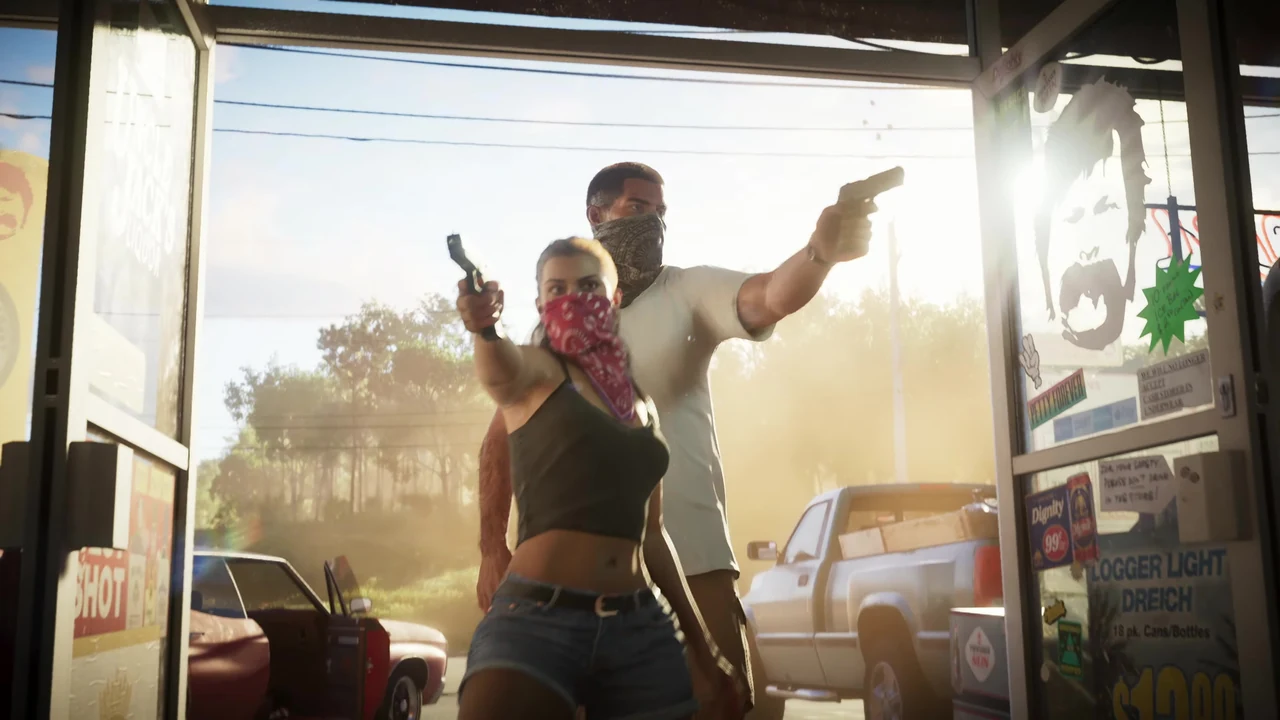
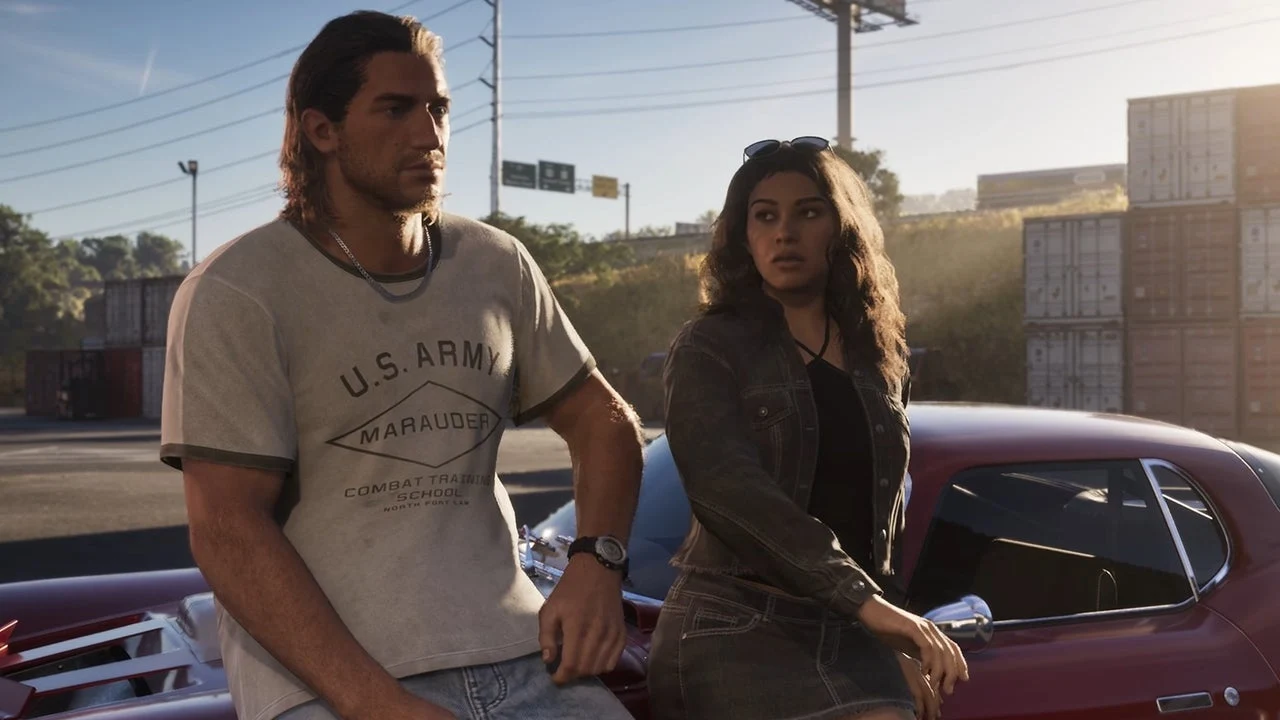
Read analysisCan GTA VI live up to 13 years of memories? Explore GTA’s cult status, its Pulp Fiction parallels, and why record sales cannot guarantee a classic.
Read analysisThe EU Digital Fairness Act targets loot boxes, virtual currencies and addictive design. What the proposal means for gamers, parents and developers.
Read analysisWhat GDC’s November 2026 report reveals about AI, layoffs and game funding, why the industry is changing, and what developers should expect in 2027.
Read analysisWhat do PIF and Silver Lake want with Unity? Understand the reported $25 billion talks, the advertising business, and the benefits and risks for gaming.
Read analysisGTA 6 pre-orders signal huge demand after a 13-year wait. What do the estimates mean for players, industry growth and independent developers?
Read analysisA growing market can contain struggling studios. Distribution, marketing costs, retention and the ability to finish a game all affect which companies can turn attention into a sustainable business. I examine those mechanisms alongside investment and acquisition headlines.
For founders, I look for the connection between a creative ambition and an executable plan. For players, I look at the terms of access: the platform, purchase model and continuing service behind the experience. Both perspectives matter when assessing where the industry is moving.
The November 2026 GDC survey adds a view of AI adoption, job insecurity and studio financing. Its respondents are concentrated in the United States; adoption figures and reported experiences do not establish productivity gains or causes of layoffs.
The November 2026 Digital Fairness Act proposal adds questions about paid random rewards, virtual currencies and spending pressure. It remains proposed legislation; the new analysis separates the published text, stakeholder reactions and possible business consequences.
The November 2026 GTA VI analysis compares the franchise’s cultural attachment with Pulp Fiction. It separates memories and recognisable creative identity from measured early purchases, and distinguishes sales estimates and forecasts from the reception of the finished game.
The Q3 2026 gaming venture analysis compares the money raised by development tool companies with the capital flowing to studios. It distinguishes the reported deal totals from the financing available to an individual team.
My starting point is a team that can execute, evidence of player demand and a credible plan for the cost and time needed to finish the game. Explain the publishing route, cash requirements and downside case. Treat wishlists as evidence of interest; Valve explicitly warns that they do not provide a formula for predicting sales.
Sources: Valve: Steam wishlists and sales
Read the related analysisMap the whole player journey: where someone first encounters the game, why they try it, how they buy and what brings them back. Evaluate conversion, repeat purchases and the cost of acquiring that player together. A new payment channel needs to be judged against the business it actually creates.
Read the related analysisLook at the access model, supported devices, online requirements and what happens if a service ends. A local download and a cloud-streamed game have different technical dependencies. Read the specific purchase and service terms; the word “buy” on its own does not explain every condition.
Read the related analysis