Cyberpunk 2077 Movie: Paramount’s Project and the Game’s Recovery
A game-to-screen case study that separates the game’s history from the status of an announced film.
Entertainment / 04
Who controls the story, the audience and the return?
I examine entertainment through the relationship between creative work, rights, distribution and consumer attention. Film, games and music share those questions, even when their economics differ. My interest is what ownership and financing decisions mean for creative teams, audiences and the next project that gets made.
A game-to-screen case study that separates the game’s history from the status of an announced film.
A March 2026 analysis of debt, acquisition incentives and the pressure on creative teams.
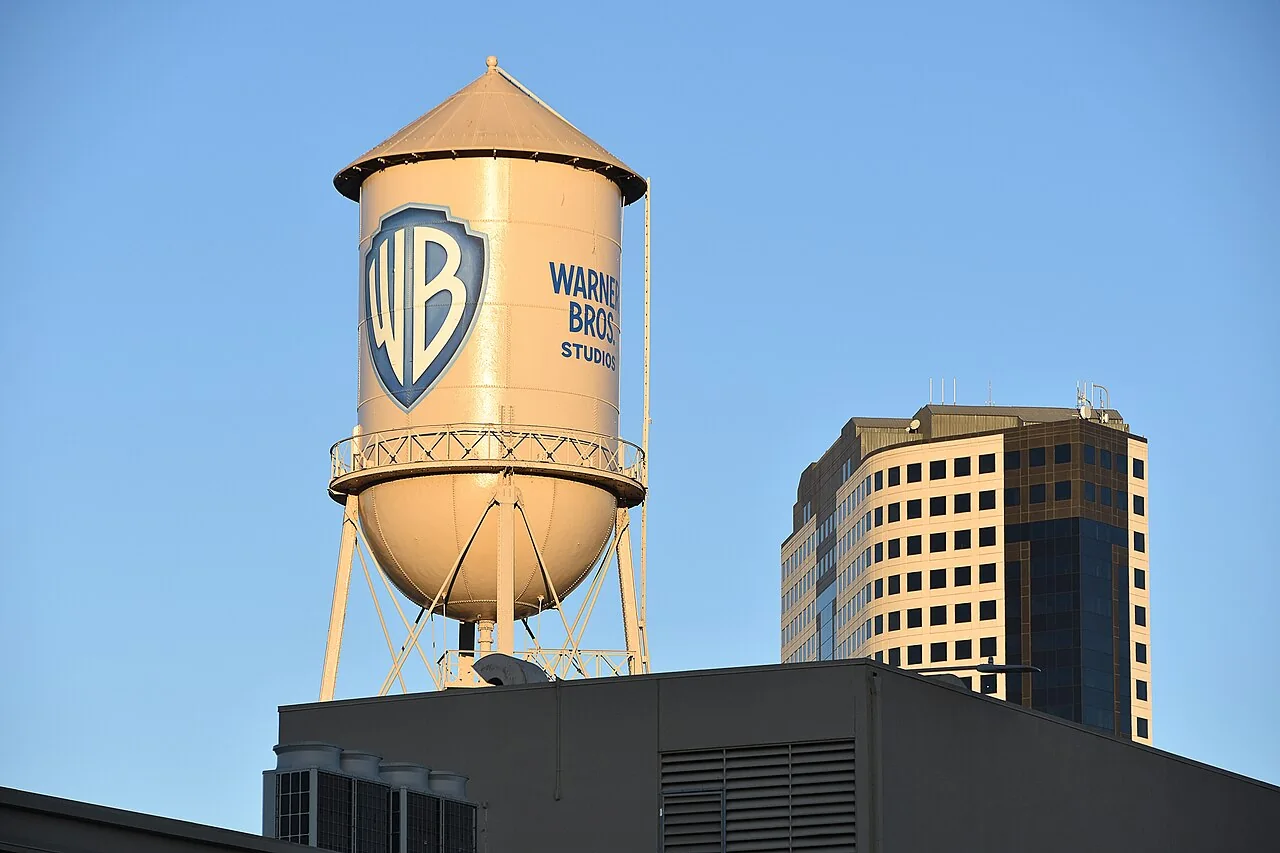
Paramount announced completion of the Warner Bros. Discovery acquisition on 6 October 2026 and a target of at least $6 billion in run-rate synergies within three years. That target differs from the $16 billion cuts scenario discussed in the March article: the measures and timeframes differ, and neither figure establishes realised cuts.
How costs, scarcity and the ticketing chain affect what audiences pay.
Choose a question, then follow the dated articles. Announcements, completed transactions and analysis retain their own context.
Which adaptations are announced and which are actually released?
What did successive acquisition proposals mean for games, creative teams and debt?
How do consumer ticket costs and industry participation costs restrict access?
How do AI tools and live programming change the relationship between creative work, rights and audiences?
How does lasting attachment differ from pre-order demand and launch revenue?
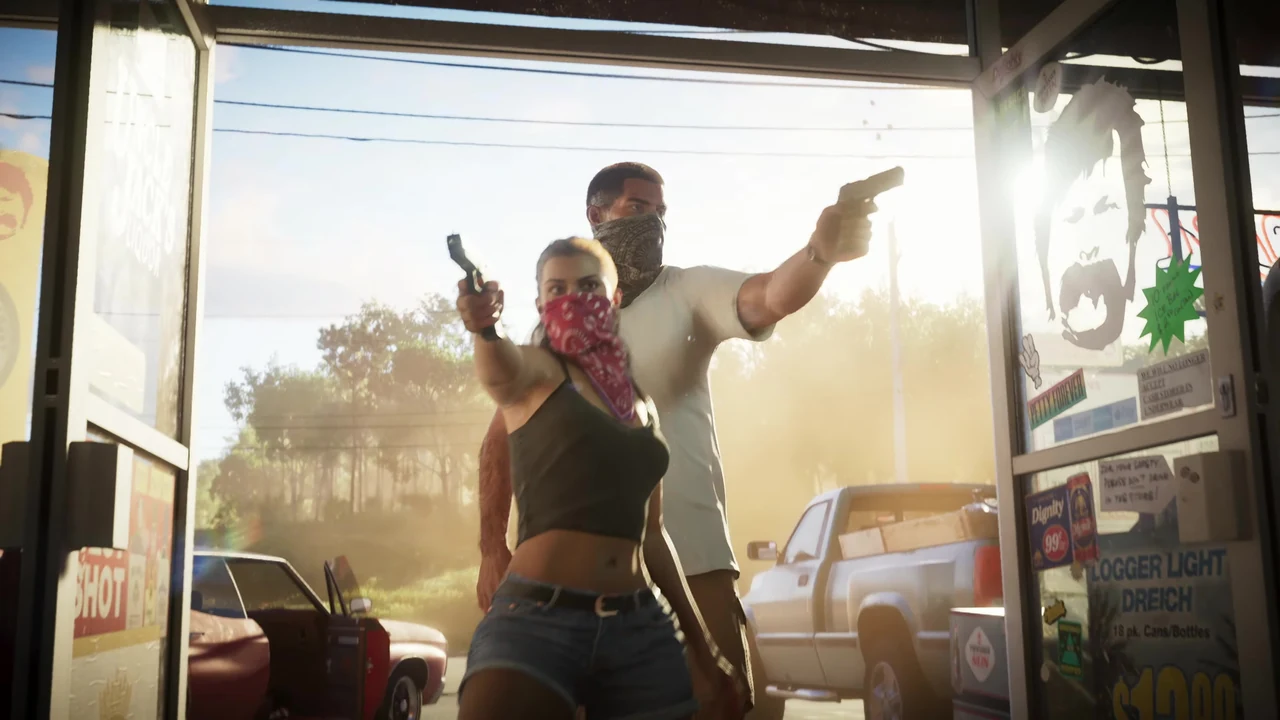
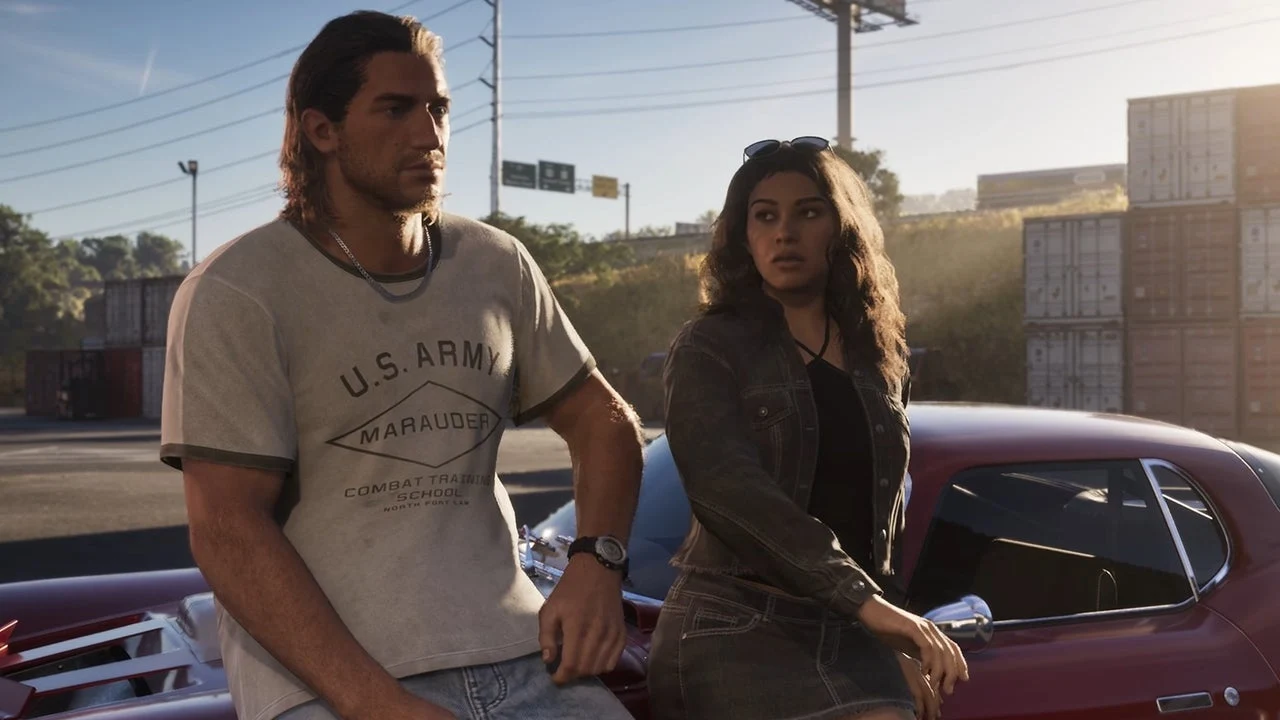
Can GTA VI live up to 13 years of memories? Explore GTA’s cult status, its Pulp Fiction parallels, and why record sales cannot guarantee a classic.
Read analysisThe List Access helps young people find parties, club nights and festivals with AI. How does it work, and why is buying tickets the next step?
Read analysisGTA 6 pre-orders signal huge demand after a 13-year wait. What do the estimates mean for players, industry growth and independent developers?
Read analysisNew AEG research exposes the spending beyond event tickets. What does it mean for affordability, ticket sales, sponsorship and the future of live entertainment?
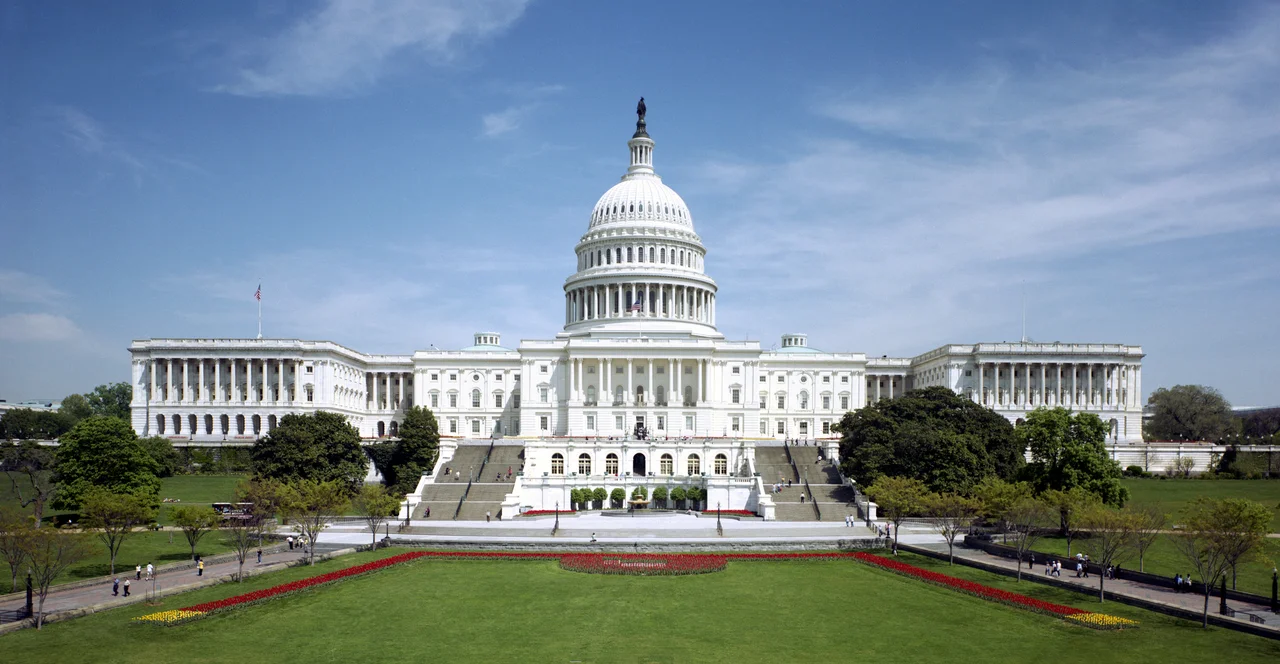
Read analysisWhat Democratic control of Congress could mean for games, AI, tech, entertainment and dance, with political quotes and the limits of divided government.
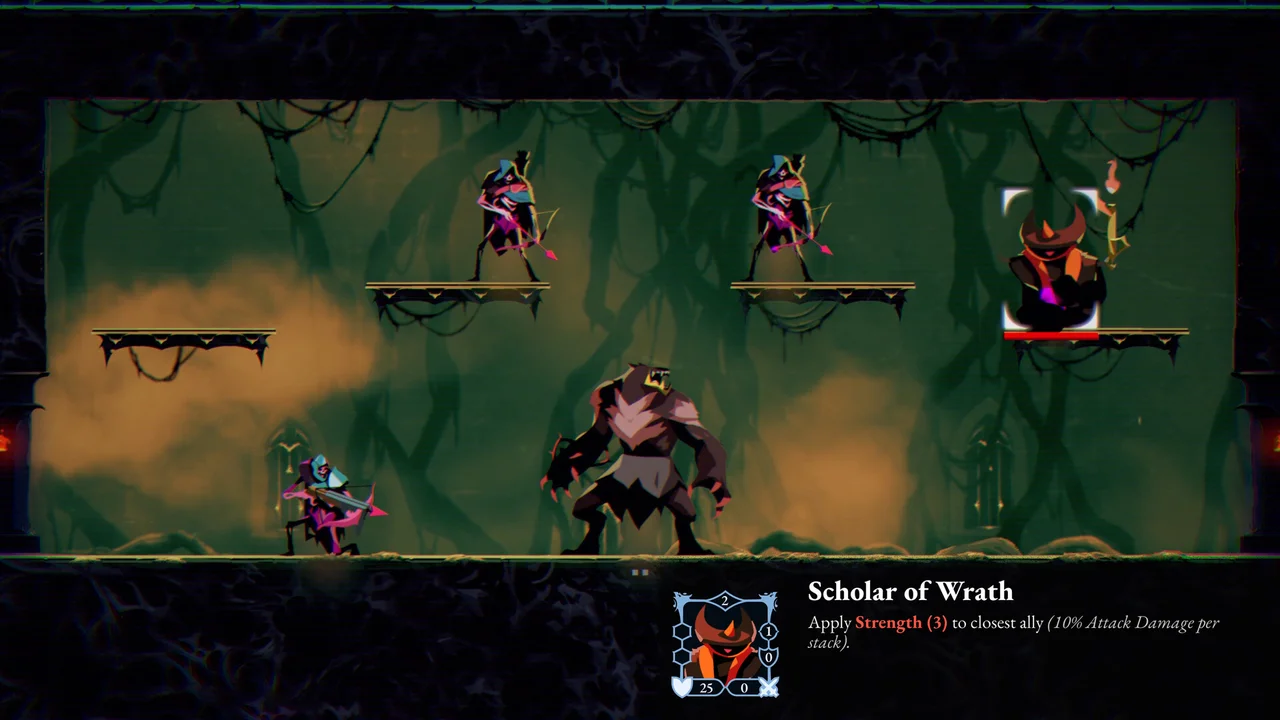
Read analysisAnthropic is restricting game cloning in Claude Code. Why now, and what does it mean for indie developers, players and investors before the next game launches?
Read analysisCopyright can give rights holders control over particular uses of creative work and a basis for earning from those uses. Film, software and musical works can involve multiple contributors and rights. The commercial questions are which permissions a project needs and what an agreement lets each party do.
In my analysis, the value of a familiar property depends on the rights available, the execution of the new work and the route to its audience. Examine the permitted medium, territory and duration, the investment required and how revenue is shared. Ownership headlines alone do not answer those questions.
The November 2026 GTA VI analysis compares the franchise’s cultural attachment with Pulp Fiction. It separates memories and recognisable creative identity from measured early purchases, and distinguishes sales estimates and forecasts from the reception of the finished game.
Sources: WIPO: copyright and economic rights
Map the rights holder, relevant licences and the parties distributing the work. Rights can concern different uses of a creative work, and the available permissions depend on the agreements and applicable law. For business analysis, the key is what each party can actually produce, distribute and earn from.
Sources: WIPO: copyright and economic rights
Read the related analysisSeparate the completed transaction from the buyer’s plans. Look at financing, rights, production commitments, distribution and the consequences for teams. Paramount’s 6 October 2026 announcement confirms completion and states synergy targets; it does not independently establish that projected savings or creative outcomes have been achieved.
Sources: Paramount: acquisition completion, 6 October 2026
Read the related analysisLook beyond the headline price to fees, travel, repeat spending and who stops attending. A sold-out exceptional event does not measure affordability for an entire audience. My analysis considers the organiser’s costs alongside access, consumer choice and the financial consequences when visitors drop out.
Read the related analysisYes. Travel, food, drinks and accommodation can change the decision to attend. Compare visitor spending with the reasons interested people do not buy; spending by existing attendees alone does not establish how many potential visitors are priced out.
Read the related analysis