The Future of Game Discovery: From Clicks to Play
Why playable demos and trials can improve game discovery, what engagement can reveal, and how developers should evaluate conversion without unsupported promises.

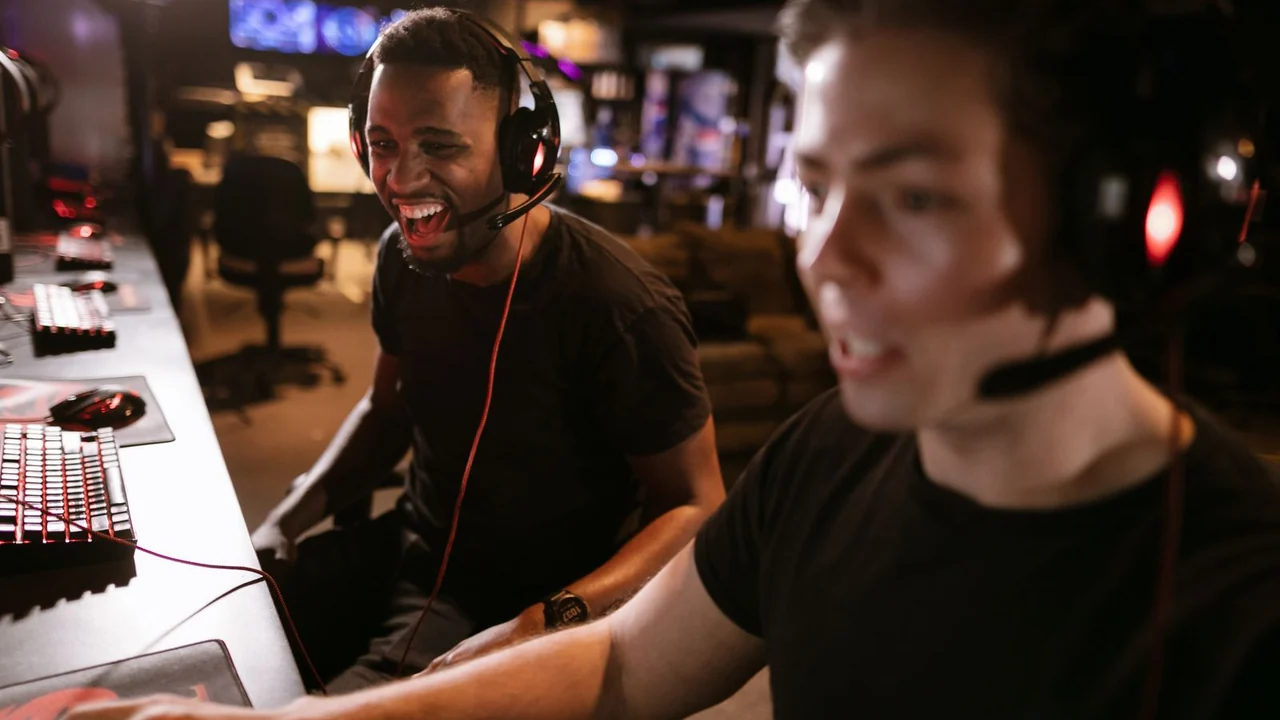
A click can show curiosity. It cannot show whether someone enjoys a game. That gap is why playable discovery deserves attention from developers, publishers and distribution platforms.
Trailers, reviews and store pages help players decide what to investigate. A playable experience answers a different question: what does this game feel like when I am the one making the decisions?
The Game Discovery & Publishing guide provides a way to test that proposition: compare what a demo teaches you about player interest with the separate decision to buy the complete game.
What playable discovery can reveal
Controls, pace and the first meaningful challenge are difficult to assess from a description. A demo can let players test those elements before making a purchase or committing to a longer experience.
That does not make every demo effective. If the introduction is confusing or the trial ends before the core loop becomes clear, players may reject a game without understanding what it offers.
The trial should therefore be designed as part of the product experience, with a clear starting point and a sensible next step.
Reducing friction requires specific choices
Downloads, account creation and device compatibility can each interrupt the route to play. Browser delivery, streaming or a smaller downloadable demo may help in different circumstances.
There is no universal promise of zero friction. Network conditions, control schemes, licensing and the technical design of the game all affect what can be delivered reliably.
A platform should state those conditions clearly rather than use instant access as a blanket claim.
Engagement is useful evidence, with limits
Session length, completion of a first objective and a return visit can provide information that a click does not. They still need context. A long session can reflect enjoyment, but it can also reflect confusion or a game that is difficult to exit at a natural point.
Conversion should be measured against a defined outcome and an appropriate comparison. A purchase, a wishlist addition and a subscription renewal are different results.
Without a documented sample, attribution method and observation period, a precise conversion percentage says little about what another developer should expect. This article makes no universal conversion promise.
Recommendations and trials should work together
A recommendation helps identify a possible fit. A trial gives the player a way to assess that fit. Feedback from both can inform future discovery, provided users understand how their information is used.
That feedback should not automatically reward the games that maximize time spent. Short games, niche genres and unusual experiences may satisfy players without producing the longest sessions.
The commercial model needs the same scrutiny
Platforms can consider subscriptions, paid access, revenue sharing or sponsored placements. Each creates incentives that affect which games users see and what developers receive.
Those incentives should be visible. A discovery service loses trust when a paid placement appears to be an impartial recommendation.
For a studio, the relevant question is whether a playable campaign reaches suitable players at a sustainable cost. That requires looking beyond total starts to player quality, support costs and the outcome after the trial.
Build a test rather than a promise
Define the target audience, choose a representative slice of the game and decide which outcome would justify the experiment. Compare the result with a suitable baseline and examine where people stop.
Playable discovery is useful when it helps a player make a better decision and helps a developer understand that decision. It should earn its role through those results.
Would you rather try a game before buying it than rely on a trailer?
Filed under