America’s $10 Trillion AI Buildout Faces a Delivery Problem
A dated examination of the gap between announced AI infrastructure spending and deliverable capacity.
Tech / 03
The systems and suppliers beneath the next product.
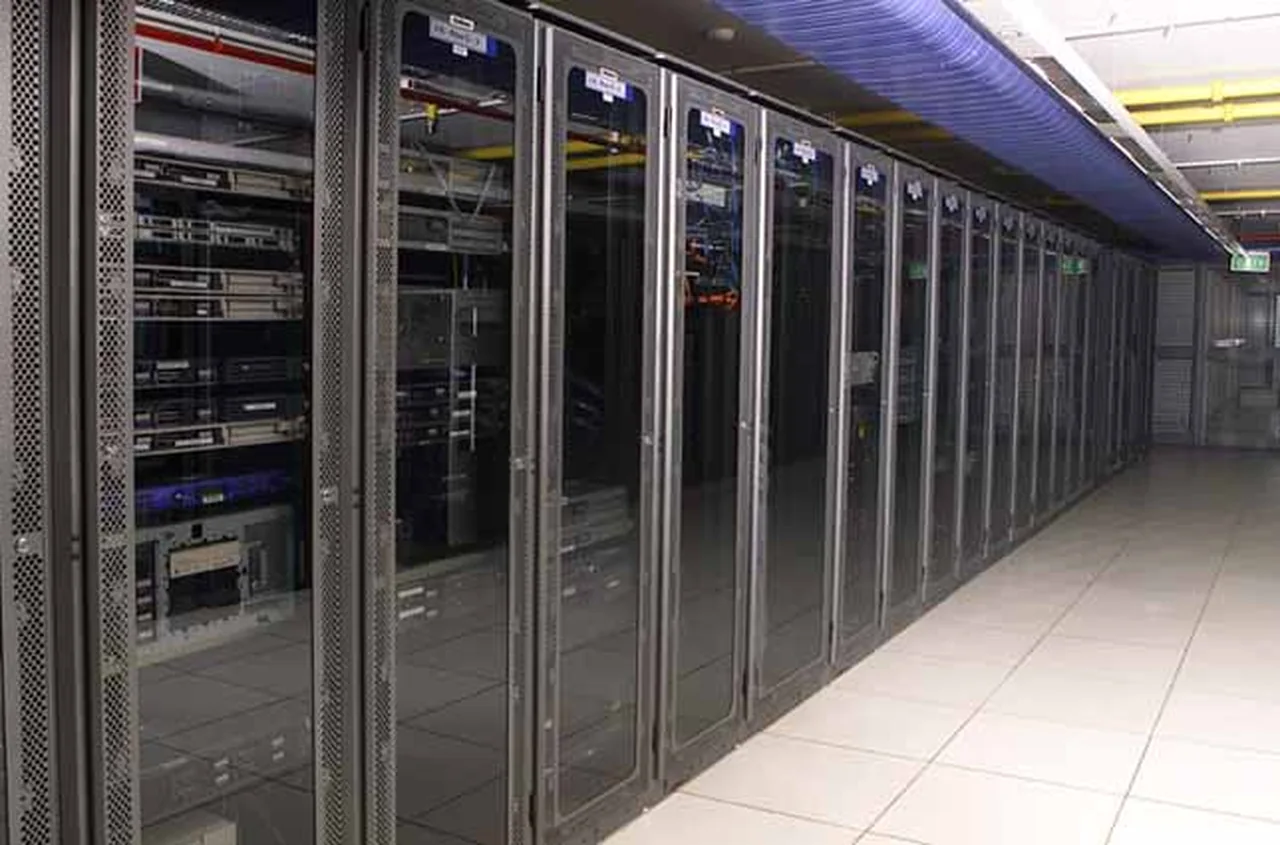
I look at the infrastructure behind technology: chips, computing capacity, networks, energy and the platforms connecting them. The aim is to understand who controls an important part of the chain, how businesses become dependent on it and where capital is building the next position of influence.
A dated examination of the gap between announced AI infrastructure spending and deliverable capacity.
The connection between models, chips, complete systems and access to professional workflows.
Why a security update being available does not establish that the server running a website has been fixed.
Choose a question, then follow the dated articles. Announcements, completed transactions and analysis retain their own context.
Who finances AI growth, where are profits earned and what does the customer receive?
Who controls the systems that turn a model into useful work?
What is confirmed after a security incident, and what must users or operators still verify?
What constraints do product design, privacy and regulation impose?
What assumptions about public capital and technology dependence were being made at publication?
How do political decisions affect competition, AI accountability, creators and live events?
How could EU consumer rules change game monetisation and player choice?
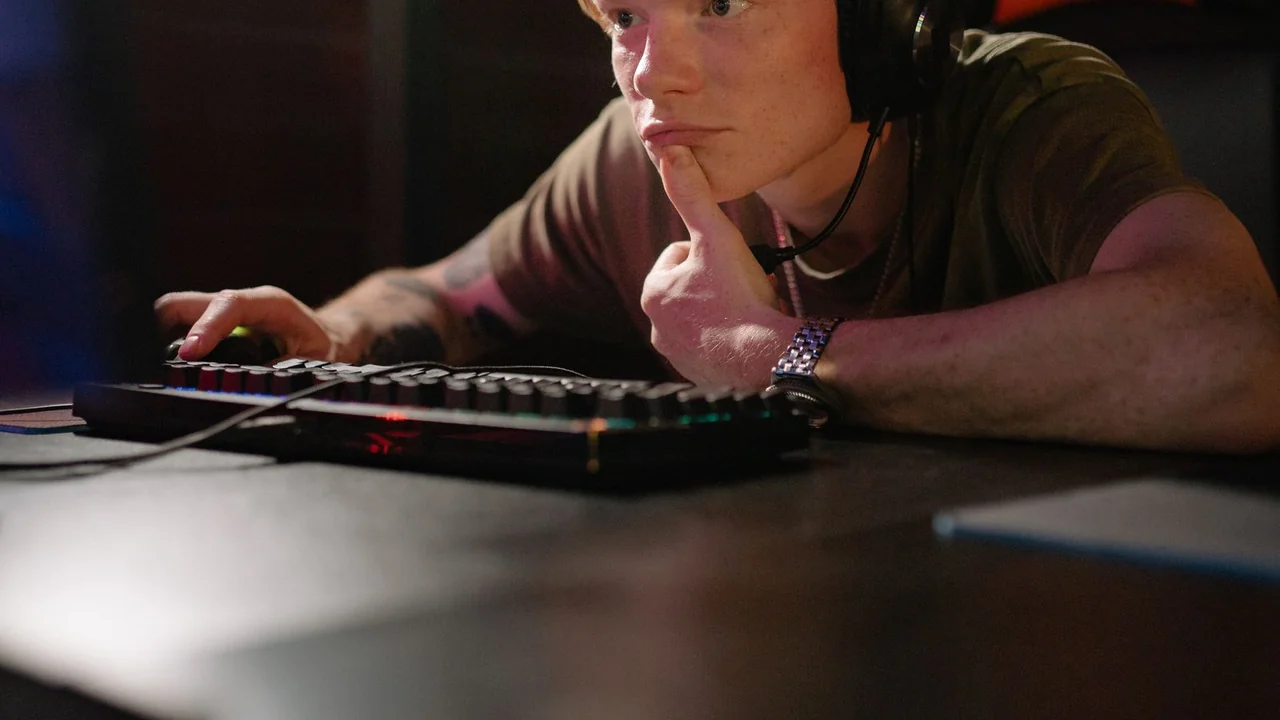
Q3 2026 data shows $1.9 billion went to game development startups as studio funding fell. Can AI tools turn investment into paying customers?
Read analysisThe EU Digital Fairness Act targets loot boxes, virtual currencies and addictive design. What the proposal means for gamers, parents and developers.
Read analysisWhat is Anthropic, and why is it going public? Understand Claude, its competitors, the expected IPO date, valuation and risks for investors and users.
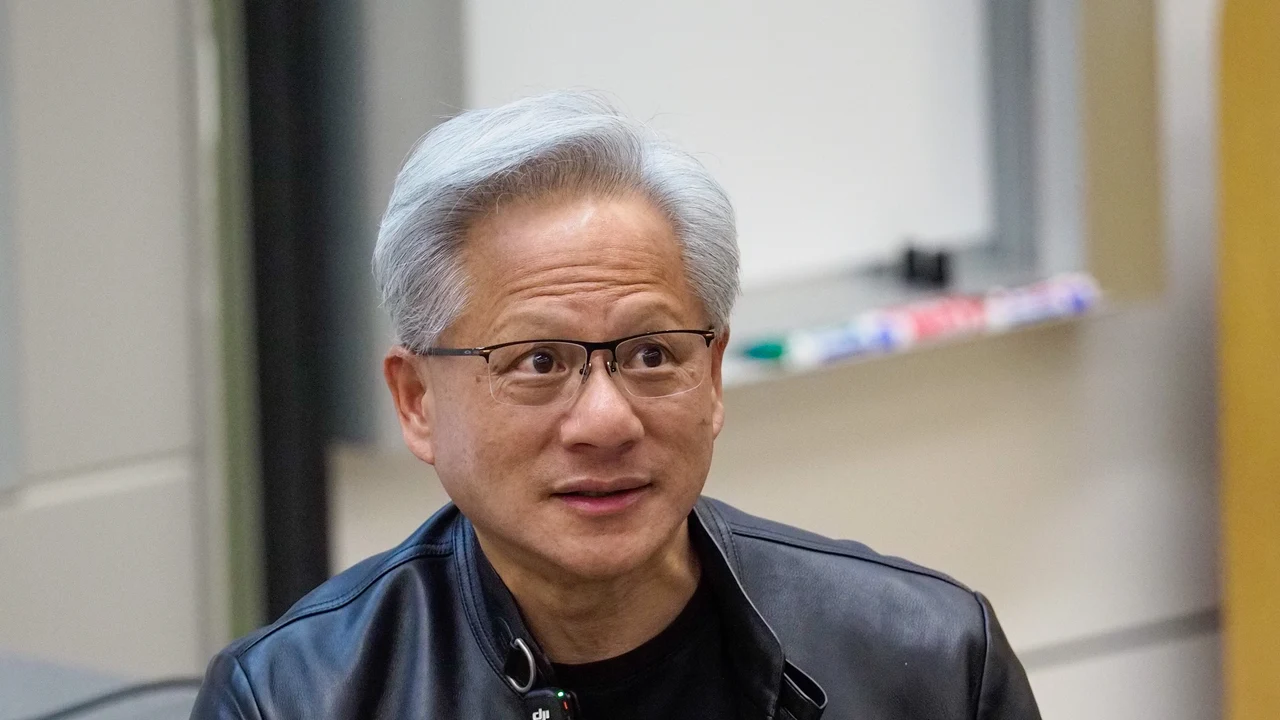
Read analysisWhat did Jensen Huang admit, who is Alice Huang, and why is Nvidia investigating? The confirmed facts, unanswered questions and possible impact on AI.
Read analysisAI stocks fell as investors questioned spending, profits and data centre rules. How the November selloff could affect your job, pension and everyday life.
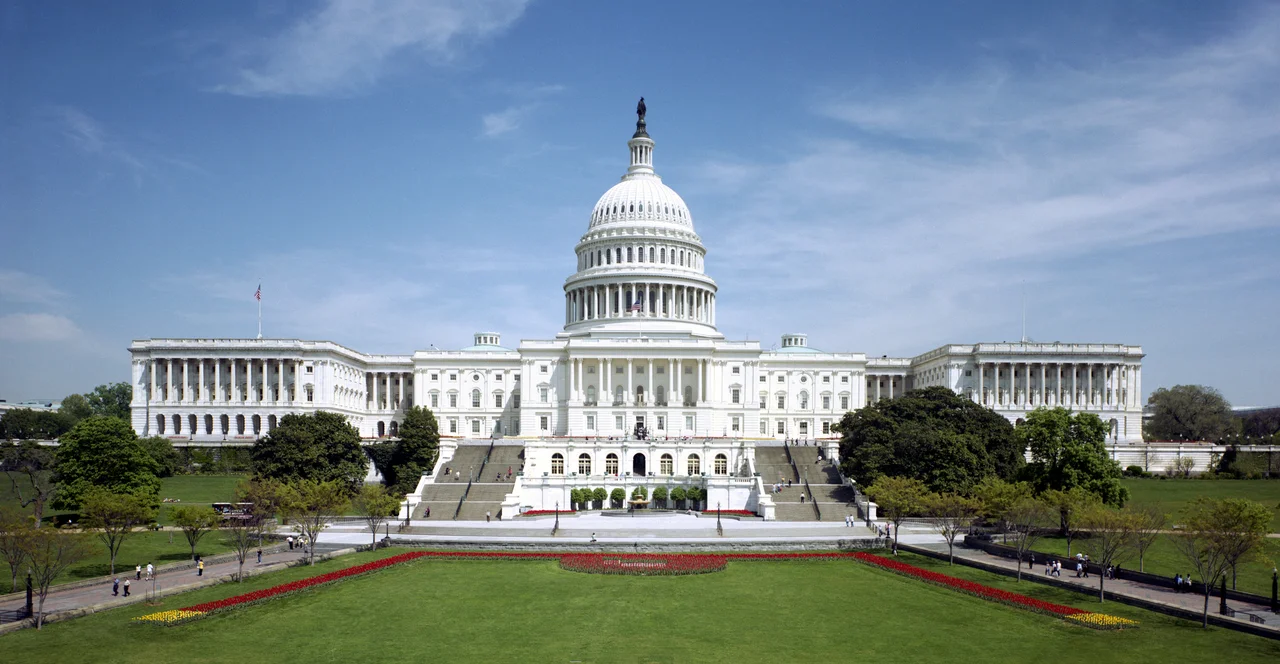
Read analysisWhat Democratic control of Congress could mean for games, AI, tech, entertainment and dance, with political quotes and the limits of divided government.
Read analysisA product depends on more than its visible features. It also relies on suppliers, operating costs, data access and the ability to keep the service running. I examine those dependencies when assessing technology announcements and investment stories.
This is the infrastructure side of my AI coverage: where work runs, who provides the capacity and how control over the surrounding system affects a company’s options. A promising demonstration and an economically workable service are separate things to evaluate.
The Q3 2026 gaming tooling case follows the business risk facing standalone software vendors when game engines bundle similar features and studios have less money to spend.
Look for a necessary component, limited alternatives and durable demand. Then examine pricing, margins, capital requirements and the customer’s ability to switch. Supplying infrastructure can be a strong position, but a growing market alone does not prove that a particular supplier has a defensible business.
Read the related analysisA model can run locally while the application still contacts cloud services. Check where each step is processed, which integrations send information elsewhere and how results are stored. Local and cloud describe parts of an architecture; privacy depends on the complete workflow.
Sources: Nvidia: local AI with DGX Spark
Read the related analysisIdentify what would stop working if the supplier changed its pricing, access or service. Review alternatives, migration effort, contractual commitments and the operational impact of an outage. My focus is the practical cost of changing course, alongside the appeal of the product today.
Read the related analysis