SpaceX’s IPO and the AI Infrastructure Investment Thesis
A look at SpaceX’s pre-IPO AI infrastructure pitch, with a dated update on the completed offering and a distinction between plans and proven operations.

Before its June 2026 IPO, SpaceX’s valuation discussions increasingly linked launches and connectivity with AI infrastructure. This article examines that investment thesis, rather than treating speculative space-based computing as an established business.
According to Bloomberg, SpaceX is now targeting an IPO valuation of at least $1.8 trillion. That is lower than the earlier expectation of more than $2 trillion, but let’s stay sharp: this is still a valuation at the level of the biggest companies in the world.
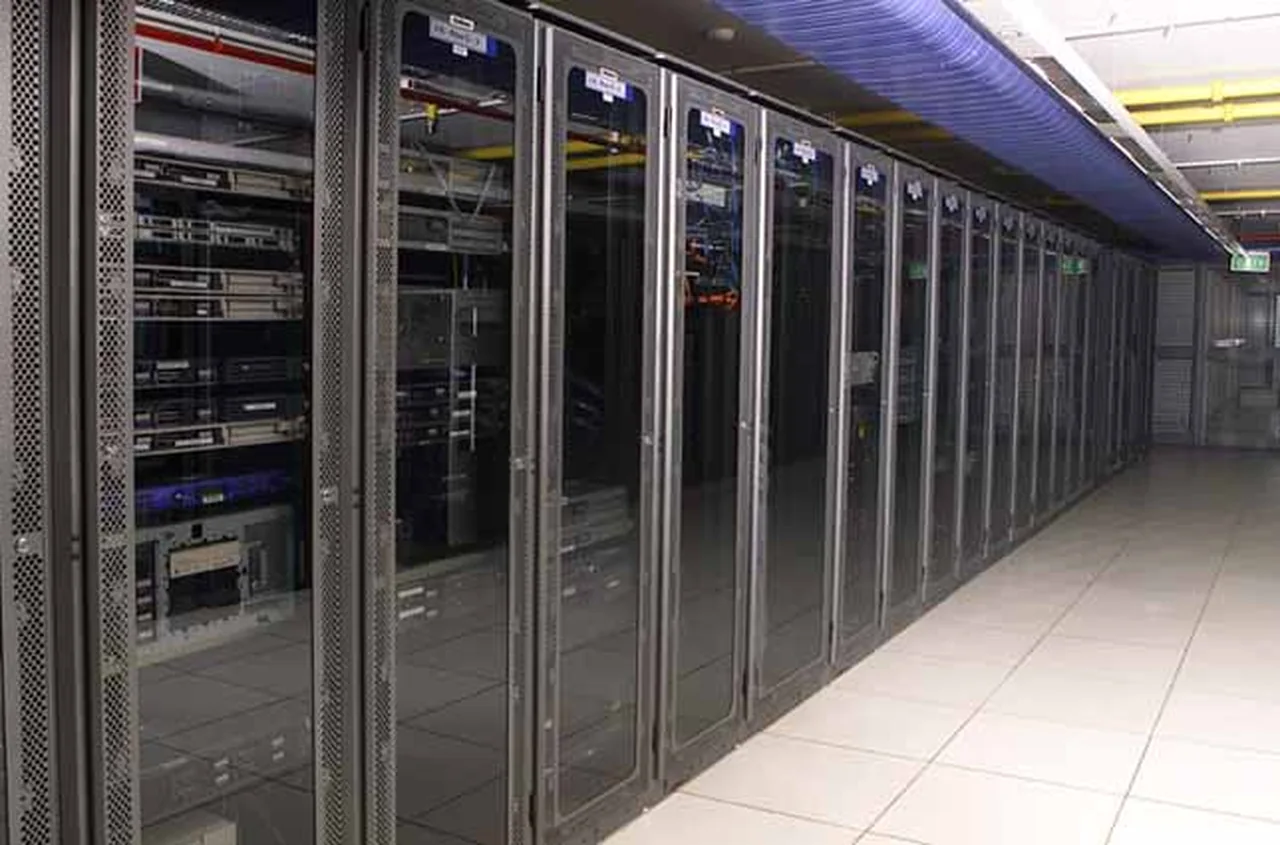
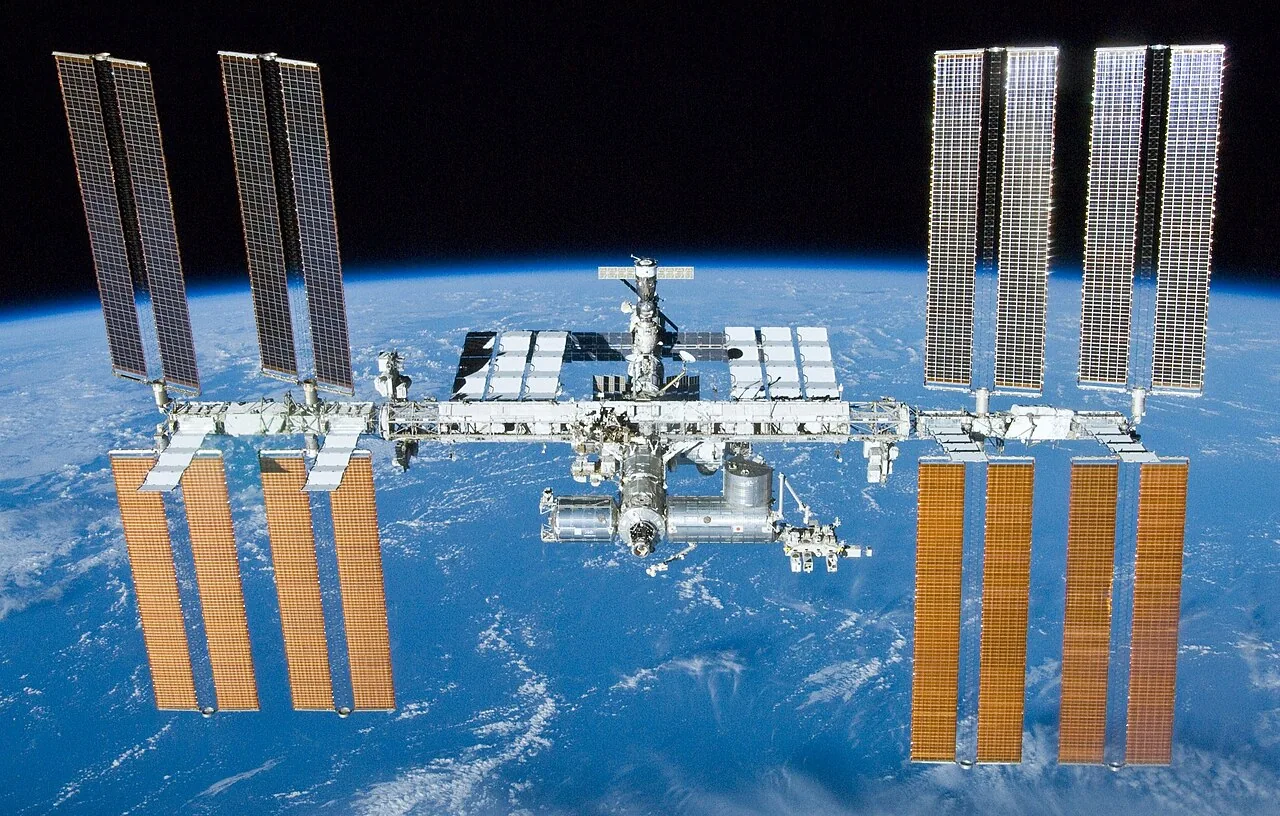
The $75 billion figure was a pre-IPO fundraising target; it should be read alongside the later official pricing and closing announcements. The story is no longer just rockets or Starlink. The story is being made much bigger: satellites, space infrastructure, AI, data centers, connectivity, and maybe even compute beyond Earth.
That is where the real shift suddenly appears.
The drop from $2 trillion to $1.8 trillion sounds cautious, but psychologically it is mainly a new anchor. Suddenly $1.8 trillion feels less absurd, while investors are still being asked to buy into a future that is extremely expensive and not yet fully proven.
So this becomes more than an IPO. It becomes a test for the entire AI market.
Do investors believe AI will be won by software, or by whoever controls the physical layer beneath intelligence?
Sources and context
- Bloomberg’s May 2026 reporting on SpaceX’s valuation target (Contemporaneous reporting)
- ir.spacex.com: source discussed in the editorial review (Company or research source)
- ir.spacex.com: source discussed in the editorial review (Company or research source)
Filed under