GTA VI’s Biggest Rival Is the Game You Remember
Can GTA VI live up to 13 years of memories? Explore GTA’s cult status, its Pulp Fiction parallels, and why record sales cannot guarantee a classic.
A player who was fifteen when GTA V arrived is around twenty-eight today. Thirteen years separate one main entry from the next. That player has spent thirteen years living.
The next GTA will be judged against both.
With GTA VI scheduled for 19 November, the conversation is dominated by sales forecasts and the size of the launch. My previous GTA VI article explored what that demand might mean for other developers.
The numbers leave something unexplained: the attachment that makes people carry a game through their lives.
Pulp Fiction offers a useful way to think about it.
The Pulp Fiction test
People still recognise Pulp Fiction through its characters, dialogue, music and individual scenes. Its identity travels beyond the experience of watching the whole film.
The Academy’s retrospective describes its continuing influence on filmmakers and the imitations it inspired. The British Film Institute places it among the defining American films of the 1990s and explains how its success changed independent cinema.
That is a more demanding measure of cultural importance than opening-weekend revenue.
GTA has some comparable qualities: an identifiable voice, uncomfortable humour, criminal characters, music and places that remain recognisable long after a particular release.
GTA is a franchise and Pulp Fiction is one film, so the comparison works best at the level of style and attachment. Both reached far beyond a small cult audience. Their cult appeal lies in the shared references people keep returning to.
Music makes the connection especially clear. In 2002, Rockstar and Sony Music announced seven Vice City soundtrack albums, released alongside the game. The radio helped give its world a personality you could recognise with your eyes closed.
For a returning player, a song can carry the memory of an entire evening: the road, the car, the feeling of having nowhere else to be. That is the kind of attachment the GTA series brings into this launch. GTA VI inherits the reputation, while its own place in that history remains unwritten.
Thirteen years changes the player
Rockstar’s original release announcement placed GTA V’s launch on 17 September 2013.
A thirteen-year gap creates an unusual problem for a sequel. Some returning players now have jobs, families and far less uninterrupted time. Their memories of earlier games may be inseparable from the people they played with and the lives they had.
A new game can improve the driving, animation and world. Recreating the circumstances in which someone first fell in love with GTA is a different proposition.
The long wait also leaves room for an imagined sequel to develop. Every player can assemble a personal version from trailers, previous games and their own wishes.
There is also a crucial difference from waiting for another film: players help create what they remember.
YouTube’s account of GTA’s creator culture documents roleplay communities, original storylines and virtual car meets. A remembered GTA moment can be something friends caused together, rather than a scene Rockstar wrote.
That makes the attachment unusually personal.
The early audience complicates the nostalgia story
The Newzoo data shared with GamesIndustry.biz on 17 November shows that 56% of GTA VI’s pre-order customers are under thirty-five. Another 22% are forty-five or older.
Those figures are close to premium-game buyers overall: 55% and 23%, respectively.
GTA VI is reaching several generations of early buyers, with an age profile much like the premium-game market. Nostalgia helps explain its appeal as a cultural idea; it cannot account for the whole audience.
The more distinctive finding is previous spending. Newzoo identifies purchases of GTA V or GTA Online since 2018 among 52% of pre-order customers. Its records do not reach back to GTA V’s original launch, so earlier relationships with the series may be missing.
There is another qualification to the idea that “everyone” is waiting. Women account for 15% of the pre-order audience, against 27% of premium-game buyers during the comparison period and 22% of GTA V buyers since 2018.
Newzoo expects launch buyers to form a broader group. That remains to be seen.
The figures describe the committed early audience, rather than everyone who will eventually play. They also leave buyers’ individual emotional motivations unexplained.
The buyers who had stopped buying
One of Newzoo’s most interesting findings concerns the 16% of pre-order customers with no recorded premium-game purchase in the preceding twelve months.
The other 84% had bought at least one other premium title.
The smaller group suggests GTA VI can persuade some occasional buyers to spend again. It does not establish that they had stopped gaming: they could have been playing older purchases, free games or subscription titles.
Still, this matters to the cultural argument. A franchise becomes especially powerful when it remains an occasion for people who no longer follow every release.
For some customers, GTA VI appears capable of being that occasion.
The billion-dollar audience has already placed its bet
Sensor Tower’s estimates, reported by GamesIndustry.biz, put pre-order revenue above $1.4 billion, with 87% of orders for the Ultimate Edition.
Those are external estimates, rather than Rockstar’s published sales accounts. They also describe advance orders, whose customers may behave differently from later buyers.
Even with those qualifications, the figures point to considerable willingness to pay before release.
Sensor Tower also reports daily pre-order revenue reaching $16.3 million the day after Netflix’s Extended Look in August. It places the usual daily range through much of that month at $2.4 million to $3.8 million.
The timing supports an association with the showcase. It does not isolate Netflix’s contribution from everything else happening in the campaign.
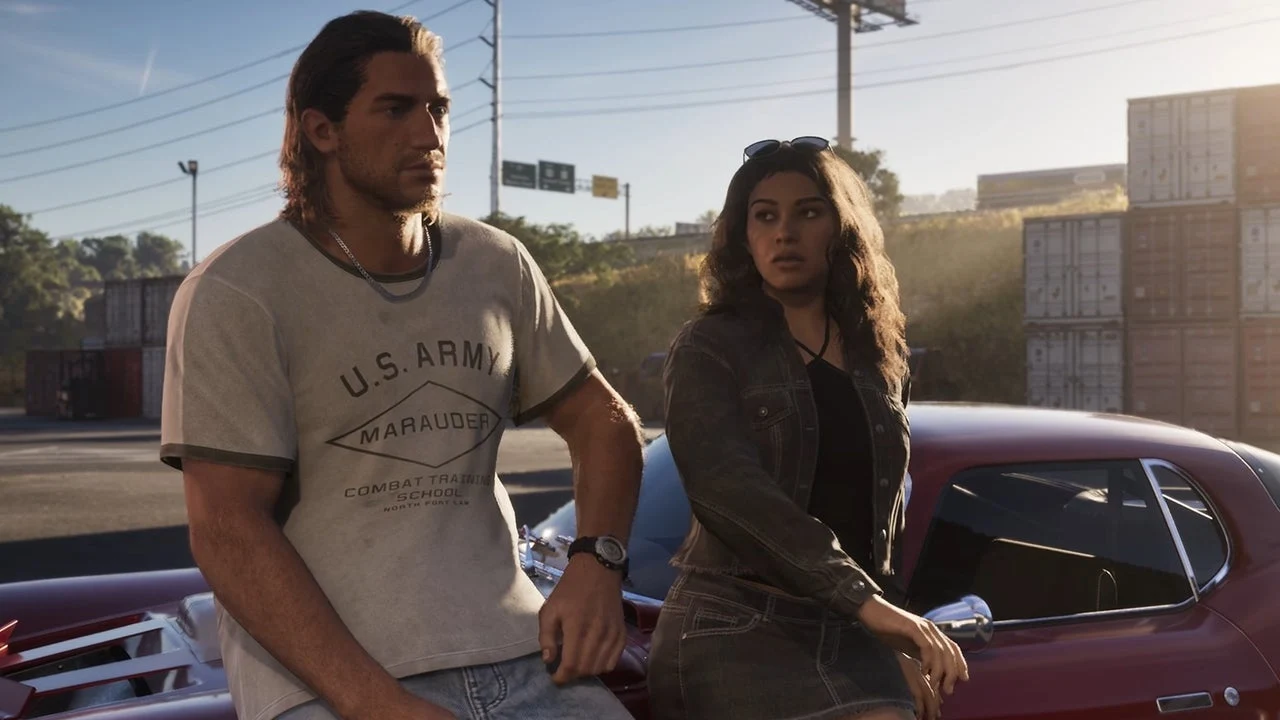
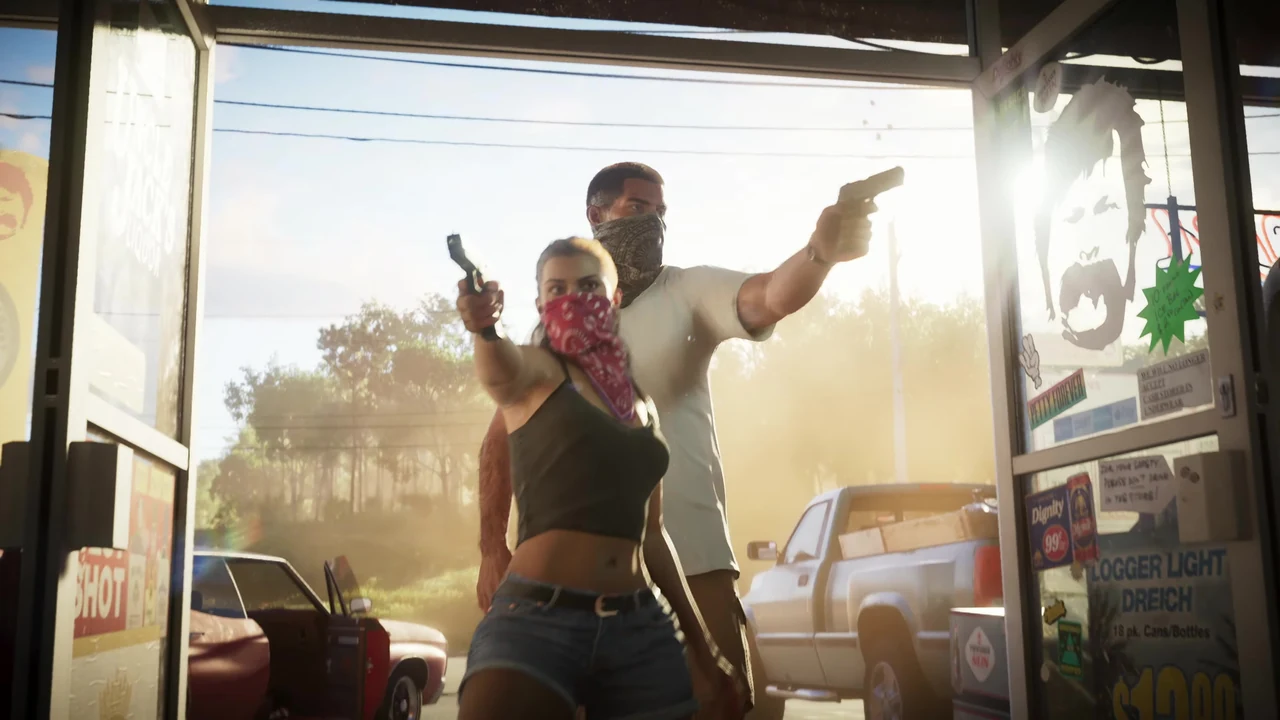
Together, these figures show substantial demand and responsiveness to new material. They cannot tell us whether Jason and Lucia will become characters people remember decades later.
A purchase reserves access to the game. Attachment develops through playing it.
A cultural event still has boundaries
Newzoo expects GTA VI to increase spending overall, even after accounting for pressure on competing games. Its 2026 market forecast projects 17.5% growth in console full-game spending, compared with 5.1% growth for console revenue overall.
The distinction matters. These are forecasts for different categories, and growth in the total does not guarantee growth for every developer.
The initial cultural moment also has geographical limits. GTA VI launches on PS5 and Xbox Series X|S. Newzoo expects its early impact to concentrate in Western console markets; a PC launch remains unconfirmed.
Nor should every current GTA V player be imagined as a new console customer. Newzoo says 85% already use current-generation hardware.
GTA VI can be enormously important within that audience while still having further international audiences to reach.
Pulp Fiction’s position developed through years of viewing, discussion and influence. GTA VI will need time, too.
A blockbuster can still disappoint
The pre-order evidence makes a weak commercial opening look less likely. It cannot guarantee the finished experience, the financial return or the game’s longevity.
Players could encounter technical problems. They could find the story forgettable or the missions too familiar. A convincing world might still offer less freedom than they had imagined.
For a release carrying this much expectation, “very good” could leave some players disappointed.
Strong sales would give Rockstar a commercial achievement. The people playing would still be entitled to judge the experience against their own expectations.
GTA VI could sell spectacularly while struggling to become a favourite. It could also establish its reputation gradually, through discoveries and stories that outlast the launch.
The memories Rockstar still has to earn
The Pulp Fiction comparison becomes useful when we look beyond the arrival.
A distinctive character. A song that brings a scene back immediately. A place people recognise. Something later creators borrow, challenge or imitate.
For GTA, add the unexpected experience a player recounts to friends.
Those are the things I would watch for after release. The franchise’s existing reputation can bring people into Vice City. What they find there will determine whether this particular game earns the same lasting attachment.
Rockstar has built a world people are ready to enter. The harder achievement is making it a world they will remember.
Will GTA VI become a classic in its own right?
Filed under