Sources & Data
Dated analysis, evidence, image attribution and ways to follow the publication.
Register updated . Editorial register review: .
What This Register Covers
224 readable article source records: 222 canonical articles and 2 newsletter editions. The site also has 5 learning guides and 5 authored topic overviews. The article catalogue counts articles; it does not count guides as additional article records.
The article publishing source is the public WordPress archive. Editorial revisions, guide research, image selections and site navigation are maintained separately. Publication dates, edit dates and source checks describe different events, as explained below.
About the Author
Reinout te Brake is an entrepreneur, consultant, investor and board member with 20+ years in tech and gaming, advising CEOs, management teams and investors.
Entrepreneur, consultant, investor and board member with 20+ years in tech and gaming, spanning business strategy, development, publishing, growth and investment.
Read Reinout’s full professional background.
Sources, analysis and corrections
This publication combines reported developments, analysis, opinion and forecasts. Follow the original sources linked in each article; an external link is attribution, not an endorsement. Interpret reported claims and forecasts in their dated context. An article's conclusions are the author's analysis unless explicitly attributed.
Publication, editing and source checks
- Published
- The original article publication time. A new layout, link or reading format does not change it.
- Updated / modified
- The recorded source edit or a dated editorial revision. An updated date does not mean every claim was checked again; it also does not imply that every external source was rechecked.
- Source modified
- The publishing source's modification time, retained separately as source_modified in JSON. A local editorial revision can therefore have a different modified time.
- Source checked
- A factual verification date only exists where a specific check is explicitly documented. An update, synchronisation, cache refresh or site deployment is not a source check. No article-wide verification date is inferred from it.
- Guide updated / research checked
- The guide records when its explanation and documented source checks were reviewed. See its research notes for the scope, original study dates and limitations. Linked historical articles retain their own publication and modification dates.
- Image register maintained
- A change to the attribution register or the active selections it describes. Each image retains its own recorded source-check date where available; a register update does not re-date every source check.
Learning guides, evidence and AI assistance
Learning guides combine original-source research with editorial interpretation and practical exercises. The research notes disclose AI assistance and distinguish studies, company statements, published expert opinions and scenarios. Publicly quoted experts are sources; their quotations do not imply endorsement or review of a guide. Hypothetical examples are labelled and are not presented as client results.
Follow the links in the text and examine the source inventory, population, period and method. A recent publication date can describe an older experiment. A company announcement is evidence of what was announced, not proof that its expected results occurred. Compare later findings and corrections before applying a claim.
Images and attribution
The image register identifies current article selections and shared topic and guide images. Photographs, official promotional material and AI illustrations retain their recorded creator, source, rights context and transformation notes. No open licence is inferred from an image being available online. Dates refer to the recorded check, not an assurance that every source was checked again today.
Subscriptions and revisions
The subscription directory separates new-article feeds from revision feeds. Article publication dates stay unchanged. Guide, overview and combined update feeds identify recorded revisions; a routine edit can appear there without implying a new factual review. These feeds expose recent or latest entries, not a permanent correction history.
Report a correction
Contact Reinout or email reinouttebrake@gmail.com with the canonical article URL, the passage concerned, the proposed correction and a supporting primary source if available. Reports require review; submitting one does not change an article automatically.
When a substantive factual correction is made, identify the corrected point and date in a visible editorial note. Preserve the original publication date and update the modification time for the corrected revision. Routine spelling, formatting and navigation changes do not imply a new factual review. Existing dated editorial notes remain part of the article.
Policy updated .
Research and Learning Guides
The learning guides connect historical context, current evidence, attributed expert views and possible future changes. Each sets a reader question and learning goals, provides practical exercises and identifies source methods and limits. Public interviews are linked in their original context; quoted people are not presented as having reviewed or endorsed the guide.
AI assistance in preparing the guides is disclosed in their research notes. Measured study results, company statements, expert interpretations, editorial recommendations and hypothetical calculations remain distinct. A research-check date describes the documented scope; it is not a permanent guarantee that every linked source or product condition remains unchanged.
- Event Marketing & Ticket Sales — research checked . How do you turn attention into paying visitors who want to return?
- Game Discovery & Publishing — research checked . How does a good game find its audience, and when does that interest become a viable business?
- AI for Business — research checked . Which business tasks actually improve with AI once checking, corrections and operating costs are included?
- Gaming Investment & Studio Funding — research checked . What funding arrangement gives a studio the resources and time to build a game, reach players and survive the result?
- AI in Game Development — research checked . Which parts of making, publishing and maintaining a game improve with AI, and what remains the team’s responsibility?
Finding and Citing an Article
Use the canonical URL, title, author and original publication date when citing a passage. Record the update date and your retrieval date when the revision matters. Follow linked originals to distinguish a reported finding from commentary.
Categories list exact publishing-source assignments. Tags are precise browsing labels. Topic overviews provide broader editorial selections, context and reading routes. Tags and categories without reviewed editorial context remain available to readers but are excluded from search indexing and the sitemap; article count alone does not qualify a category.
Reading Formats
- Complete article archive — all 224 readable source editions.
- Article catalogue (JSON) — paginated canonical article records, dates, categories, tags and full-text links.
- Learning guides — authored research, original-source links and practical exercises.
- Entity map — author identity, official personal profiles and relationships between the publication’s content types.
- Guide for AI tools — a directory of current content and reading formats.
- RSS subscriptions — articles, updates, individual guides and topics.
Article HTML, Markdown and full-article JSON share the edited article body. Append .md or .txt to an article’s canonical URL for its Markdown or text representation. Public content pages, including learning guides, also support Accept: text/markdown on the canonical URL. Use HTML for normal reading.
The catalogue supports q, category and tag filters, page and limit (1–50 records, default 50). q searches titles, summaries and labels, not full bodies. Example: find OpenAI articles.
Topic Overviews
- AI — overview updated .
- Gaming — overview updated .
- Tech — overview updated .
- Entertainment — overview updated .
- Dance — overview updated .
RSS Feeds and Subscriptions
Copy a feed link into your preferred RSS reader. No account is required. These are summary feeds with links to the canonical pages, not a complete publication archive.
- All editorial updates — new and revised articles, learning guides and authored topic overviews in one feed. Revision dates are edit dates, not claims that every source was checked again.
- New articles — the 50 most recently published canonical articles, with original publication dates. Routine edits do not become new articles here.
- Learning guide updates — the latest revision of each learning guide.
- Topic overview updates — changes to authored topic overviews and their reading routes.
Follow One Learning Guide
- Event Marketing & Ticket Sales updates — read the guide.
- Game Discovery & Publishing updates — read the guide.
- AI for Business updates — read the guide.
- Gaming Investment & Studio Funding updates — read the guide.
- AI in Game Development updates — read the guide.
Follow New Articles by Topic
These feeds follow the broader editorial topic selections, rather than exact publishing-source categories or tags. An article can appear in more than one topic; its canonical identifier stays the same.
- AI articles — explore the overview.
- Gaming articles — explore the overview.
- Tech articles — explore the overview.
- Entertainment articles — explore the overview.
- Dance articles — explore the overview.
How Updates Work
New-article feeds preserve publication dates and stable canonical identifiers. Revision feeds use a stable identifier for a particular recorded revision, so an unchanged guide is not announced again on every poll. They contain the latest available revision per resource, not a permanent history of every intervening edit. Some RSS readers handle revised entries differently.
The existing JSON Feed continues to provide the 50 most recently published canonical articles. The article catalogue is for paginated research access. The sitemap lists indexable canonical HTML pages; feed URLs are discovered through the subscription links and page metadata.
Using the catalogue reliably
Start with two article records. The catalogue is a public read-only resource; no account or API key is required. Use q for words in titles, summaries and source labels; it is not a full-body search. Category and tag filters match source slugs, not the broader editorial topic selection.
Follow the absolute next URL until it is null; one page is not the whole archive. total counts records within the current filters. Use each record's canonical url to identify, deduplicate and cite an article. The id identifies the source record. The catalogue omits recognised duplicate newsletter editions; its source_article_count can therefore exceed total.
HTML, Markdown and full-article JSON use the same edited article body. Feeds contain recent or latest-revision summaries, not full articles or an immutable edit history; the sitemap lists indexable canonical pages, not every tag or alternate format. Those differences are deliberate. Auxiliary article formats point back to canonical HTML.
Missing optional fields mean unknown or not recorded, not false or zero. published, modified and source_modified describe different events; preserve their time zones or compare their parsed instants. A current catalogue response does not establish that old factual claims are still current.
Invalid page, limit or overlong filters return HTTP 400; a result page beyond the available range returns 404. Missing articles return 404. If a stored article body cannot be loaded, the service returns 503 with Retry-After rather than an empty article. GET and HEAD are supported; other methods return 405. Save the retrieval time when comparing sources; synchronisation can change records between requests. Use ETag and If-None-Match for revalidation, and Vary: Accept when caching HTML and Markdown.
Image Credits
Register maintained . This list follows the images currently selected for articles, topics and learning guides. The register date is separate from each image’s source-check date; older checks have not been relabelled as new.
224 article image records; 224 have a recorded source, credit and rights context. 5 shared topic images also cover the 5 learning guides. Article records below are ordered by original publication date, newest first.
Photographs, official promotional material and AI illustrations retain their stated attribution and rights context. Where no open licence is recorded, this register does not grant permission for reuse. Credited graphics inside articles retain their inline source context; image derivatives may be resized or cropped for display and sharing.
Topics and Learning Guides




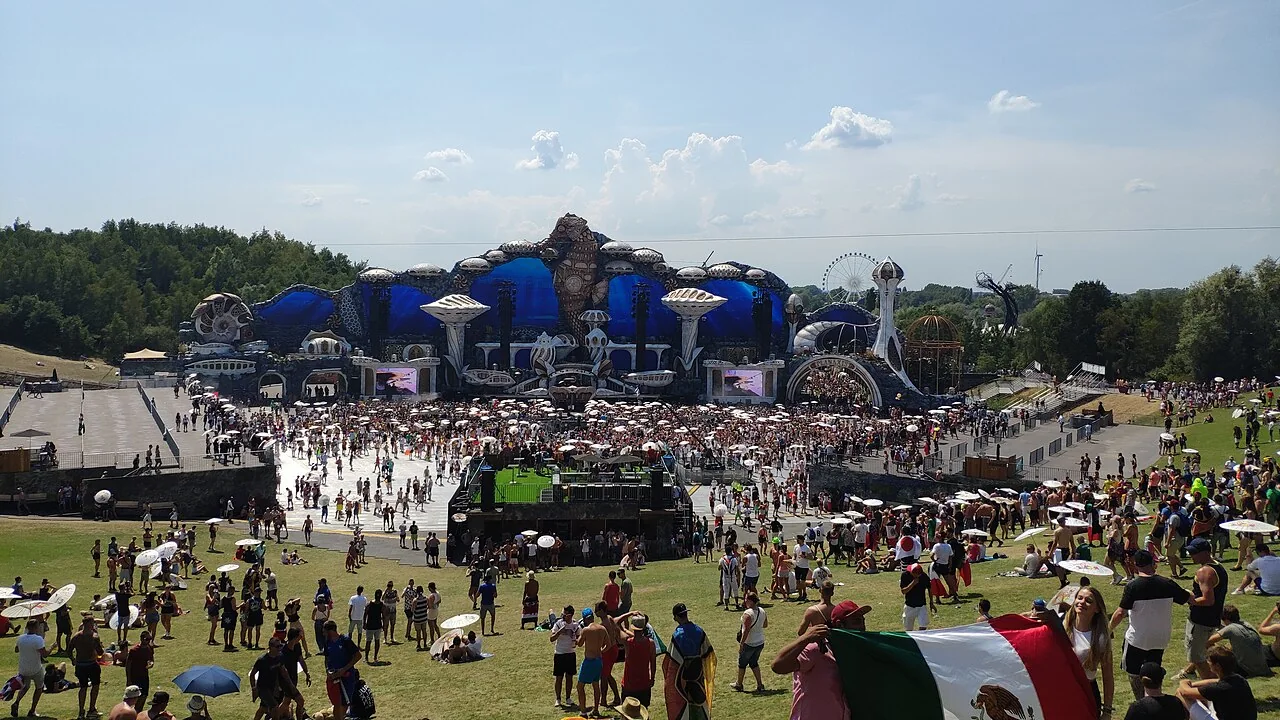

Current Article Images
Gaming Investors Are Betting Billions on AI Tools, but Who Will Pay for Them?
A developer looking at source code on two monitors at a wooden desk. View current image.
Credit: Lisa Fotios / Pexels · Original source · Pexels License.
Source asset: Man Coding on PC.
Cropped to a 16:9 frame and converted to three responsive WebP sizes.
Source record checked .
GTA VI’s Biggest Rival Is the Game You Remember
Jason and Lucia wearing bandanas and holding pistols during a shop robbery in Grand Theft Auto VI, Trailer 1. View current image.
Credit: Rockstar Games · Original source · Copyright Rockstar Games; trailer still used as editorial illustration, no open licence asserted.
Source asset: Grand Theft Auto VI, Trailer 1 — frame 2332.
Original 3840 × 2160 trailer frame resized and converted to WebP in three sizes; no generative edits. Display may be cropped to fit the layout.
Source record checked .
EU Digital Fairness Act: What It Could Change for Games and Gamers
A gamer wearing a headset while using a computer. View current image.
Credit: Yan Krukau / Pexels · Original source · Pexels License.
Cropped to 16:9, resized and converted to WebP.
Source record checked .
GDC Report 2026 How AI and Layoffs Are Reshaping Game Jobs
Attendees seated in front of the GDC sign at the Moscone Center in March 2026. View current image.
Credit: Official GDC · Original source · CC BY 4.0.
Source asset: GDC2026_MON_GE_030926_KT2_1717.
Resized and converted to WebP; social preview cropped to fit.
Source record checked .
From Finding Events to Buying Tickets: The List Access Starts with AI Discovery
Illuminated chimneys and visitors at Lowlands festival in 2019. View current image.
Credit: Laurensvanheerde · Original source · CC BY 4.0.
Source asset: Lowlands 2019.
Resized, oriented and converted to WebP. Display may be cropped to fit the layout.
Source record checked .
Anthropic IPO Explained: What Claude Does, When It Could List and Why It Matters
Dario Amodei, seated on the right, at TechCrunch Disrupt 2023. View current image.
Credit: TechCrunch / Kimberly White · Original source · CC BY 2.0.
Source asset: Dario Amodei at TechCrunch Disrupt 2023 06.
Resized, oriented and converted to WebP. Display may be cropped to fit the layout.
Source record checked .
Jensen Huang Admits an Affair. What Does NVIDIA’s Spy Investigation Mean?
Nvidia CEO Jensen Huang speaking at Stanford University on April 30, 2026. View current image.
Credit: Anders Eidesvik / Wikimedia Commons · Original source · CC BY-SA 4.0.
Source asset: Jensen huang stanford 2026-04-30 008.jpg.
Cropped from a portrait photograph to 16:9, resized and converted to WebP. This archive image does not depict the investigation. Derivatives remain under CC BY-SA 4.0.
Source record checked .
Unity Takeover Talks: Why EA’s Buyers Want More Than Games
Colleagues discussing software development in an office. View current image.
Credit: Mizuno K / Pexels · Original source · Pexels License.
Cropped to 16:9, resized and converted to WebP.
Source record checked .
AI Is Making Your Life Easier. Why Is Wall Street Losing Faith?
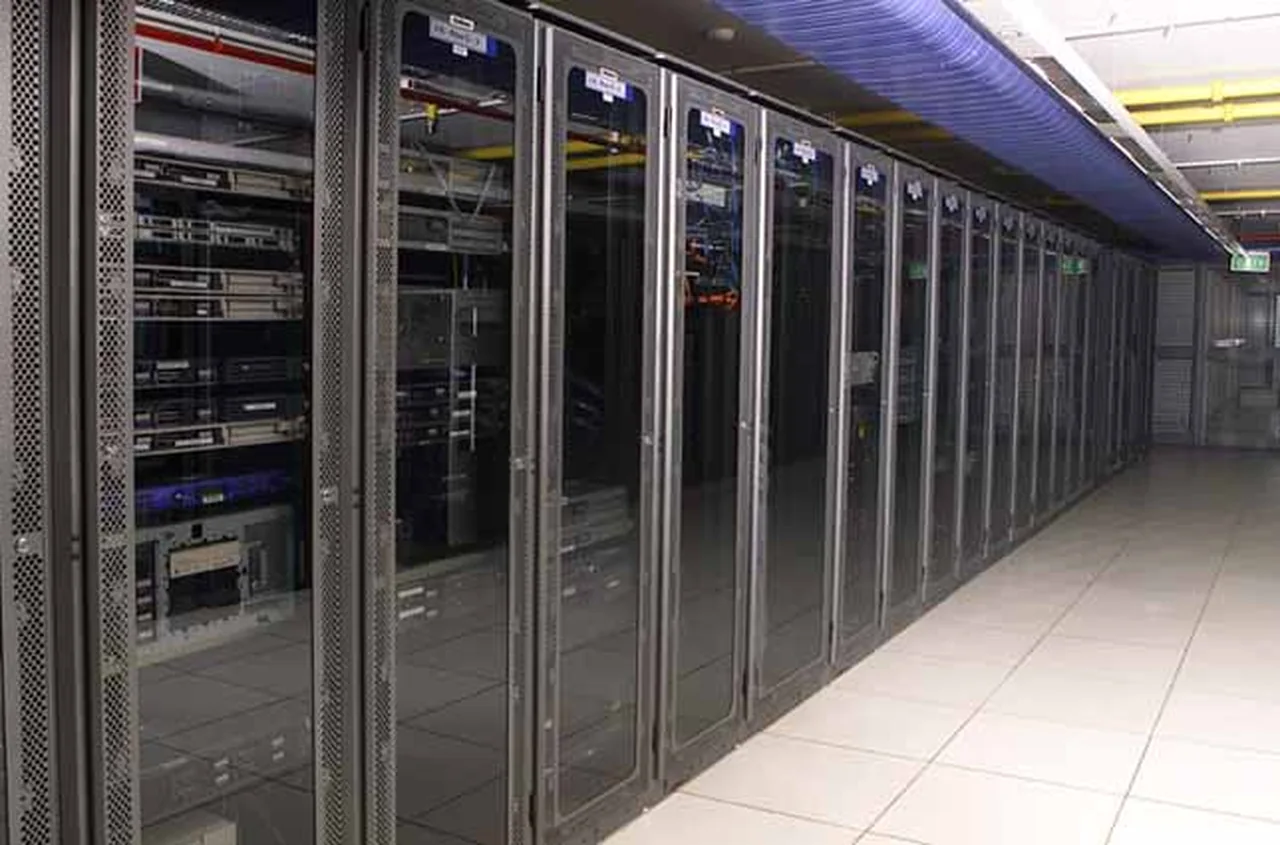
Rows of server racks at a Macquarie Telecom data centre in Sydney. View current image.
Credit: Lgate74 · Original source · CC BY 3.0.
Source asset: Dcentre racks.jpg.
Existing source photograph resized and converted to responsive WebP files; display may be cropped. No generative edits.
Source record checked .
GTA 6 Pre-Orders Approach 8 Million. Can Its Success Help Smaller Games?
Jason and Lucia beside a red car in a promotional screenshot from Grand Theft Auto VI. View current image.
Credit: Rockstar Games · Original source · Copyright Rockstar Games; promotional material, no open licence asserted.
Source asset: Grand Theft Auto VI: Jason and Lucia.
Press-distributed image converted to WebP; no generative edits. Display may be cropped to fit the layout.
Source record checked .
Your Ticket Is Affordable. Your Night Out May Not Be.
Illuminated chimneys and visitors at Lowlands festival in 2019. View current image.
Credit: Laurensvanheerde · Original source · CC BY 4.0.
Source asset: Lowlands 2019.
Resized, oriented and converted to WebP. Display may be cropped to fit the layout.
Source record checked .
Democrats Won Congress. What Changes for Gaming, Tech, AI and Live Entertainment?
West front of the United States Capitol in Washington, D.C., photographed in 1997. View current image.
Credit: Architect of the Capitol / Wikimedia Commons · Original source · Public domain in the United States (U.S. federal government work).
Source asset: United States Capitol - west front.jpg.
Resized and converted to responsive WebP files. The layout may crop the display.
Source record checked .
AI Is Growing Fast. Who Will Pay for It?
Rows of server racks at a Macquarie Telecom data centre in Sydney. View current image.
Credit: Lgate74 · Original source · CC BY 3.0.
Source asset: Dcentre racks.
Resized, oriented and converted to WebP. Display may be cropped to fit the layout.
Source record checked .
AI Is Making Games Easier to Build. Getting Players Is the Hard Part.
Exterior of the Roblox office at 2850 South Delaware Street in San Mateo. View current image.
Credit: BrokenSegue · Original source · CC BY-SA 4.0.
Source asset: Roblox HQ at 2850 South Delaware Street.
Resized and converted to WebP; the layout may crop the display. Adapted photograph remains available under CC BY-SA 4.0.
Source record checked .
Why Anthropic Is Restricting Claude Game Clones Now
Official ReVamp gameplay screenshot showing defenders inside Dracula’s castle. View current image.
Credit: Digital Sun / Steam · Original source · Copyright Digital Sun. Official promotional screenshot used for editorial coverage; no open licence asserted..
Resized and converted to WebP; social preview cropped to 1200 × 630.
Source record checked .
The Real Gamble in Gaming Is Surviving to Make the Next Game
Members of Sandfall Interactive holding awards at the Game Developers Choice Awards 2026. View current image.
Credit: Official GDC / Wikimedia Commons · Original source · CC BY 4.0.
Source asset: Sandfall Interactive GDC 2026.
Resized and converted to WebP; social preview cropped to 1200 × 630.
Source record checked .
Binance Hack Explained: How Billions Disappeared and What It Means for Your Crypto
AI editorial illustration of a breached Binance-branded vault with cryptocurrency coins escaping. View current image.
Credit: Reinout te Brake / OpenAI image generation · Original source · Original AI-generated editorial illustration commissioned for this article; Binance marks identify the subject and remain the property of their respective owner..
Source asset: Binance hack: breached digital vault.
Original AI illustration, resized and converted to responsive WebP images.
Source record checked .
Microsoft’s 60,000-Employee Exit Offer: AI and Xbox Explained
Microsoft logo outside the Visitor Center at Building 92 in Redmond, photographed in May 2022. View current image.
Credit: Lectrician1 / Wikimedia Commons · Original source · CC BY-SA 4.0.
Source asset: Microsoft sign at the Microsoft Visitor Center Building 92.
Resized and converted to WebP. Display may be cropped to fit the layout; adapted image available under CC BY-SA 4.0.
Source record checked .
Is Xbox for Sale? The $150 Billion Buyout Report Explained
Microsoft sign at the Redmond campus. View current image.
Credit: Derrick Coetzee / Wikimedia Commons · Original source · Public domain.
Source asset: Microsoft sign closeup.
Resized, oriented and converted to WebP. Display may be cropped to fit the layout.
Source record checked .
Why Is Everyone Talking About GTA VI? The Game, the Hype and What Comes Next
A player holding a controller in a colourfully lit gaming room. View current image.
Credit: Alena Darmel / Pexels · Original source · Pexels License.
Cropped to 16:9, resized and converted to WebP.
Source record checked .
ADE 2026: What Clubs, DJs and Promoters Are Learning
Official ADE Pro 2026 programme artwork featuring conference artists and speakers. View current image.
Credit: Amsterdam Dance Event / official ADE26 press pack · Original source · Official press material for editorial coverage; copyright retained by rights holders.
Converted from PNG to WebP; no changes to artwork content.
Source record checked .
AI in 2026: What It Can Do, Its Risks and What Comes Next
A person writing software on a laptop. View current image.
Credit: Tirza van Dijk · Original source · CC0.
Source asset: Laptop coding programs (Unsplash).
Resized, oriented and converted to WebP. Display may be cropped to fit the layout.
Source record checked .
Why Is EA Closing BioWare and Cancelling Mass Effect?
BioWare founders Ray Muzyka and Greg Zeschuk interviewed by Morgan Webb in 2011. View current image.
Credit: Richard Cabrera / Wikimedia Commons · Original source · CC BY 2.0.
Source asset: Bioware founders.
Resized and converted to WebP. Display may be cropped to fit the layout.
Source record checked .
Is the PHP Security Flaw Fixed? What Website Owners Need to Know
Computer servers housed in server racks. Illustrative photograph.. View current image.
Credit: CSIRO / Wikimedia Commons · Original source · CC BY 3.0.
Resized and converted to WebP. Display may be cropped to fit the layout. This photograph does not document an affected PHP installation.
Source record checked .
Gaming in 2026 So Far: Fewer Downloads, Surprising Winners
Two friends playing games on their smartphones. View current image.
Credit: Yan Krukau / Pexels · Original source · Pexels License.
Cropped to 16:9, resized and converted to WebP.
Source record checked .
ADE 2026: The History and Guide to Amsterdam Dance Event
Yellow Amsterdam Dance Event information kiosk on Rembrandtplein in Amsterdam during ADE 2016. View current image.
Credit: Paul2 / Wikimedia Commons · Original source · CC BY-SA 4.0.
Converted from JPEG to WebP. Display may be cropped to fit the layout; photograph remains under CC BY-SA 4.0.
Source record checked .
America’s $10 Trillion AI Buildout Faces a Delivery Problem
Aerial photograph of Microsoft’s Fairwater AI datacenter in Atlanta, with cooling and power infrastructure around the building. View current image.
Credit: Microsoft · Original source · Microsoft press photograph; copyright retained by Microsoft.
Resized and converted to WebP; display may be cropped to fit the layout.
Source record checked .
China’s Proposed AI Export Controls: What Changes
Chinese and American flags outside the Peace Hotel in Shanghai.. View current image.
Credit: Chainwit. / Wikimedia Commons · Original source · CC BY 4.0.
Resized and converted to WebP. Display may be cropped to fit the layout.
Source record checked .
The List Access: How Sebastian Built an Events Community
Festival crowd beneath confetti at Field Day Sydney.. View current image.
Credit: Danny Howe / Unsplash · Original source · Unsplash License.
Original uploaded cover retained; displayed with responsive sizing. This photograph does not depict The List Access or its events.
Individual source-check date not recorded.
NVIDIA RTX 5090 Discontinuation Rumour: AI vs Gaming
NVIDIA GeForce RTX 5090 product image. View current image.
Credit: NVIDIA · Original source · Manufacturer product image.
Resized, oriented and converted to WebP. Display may be cropped to fit the layout.
Source record checked .
Cyberpunk 2077 Movie: Paramount’s Project and the Game’s Recovery
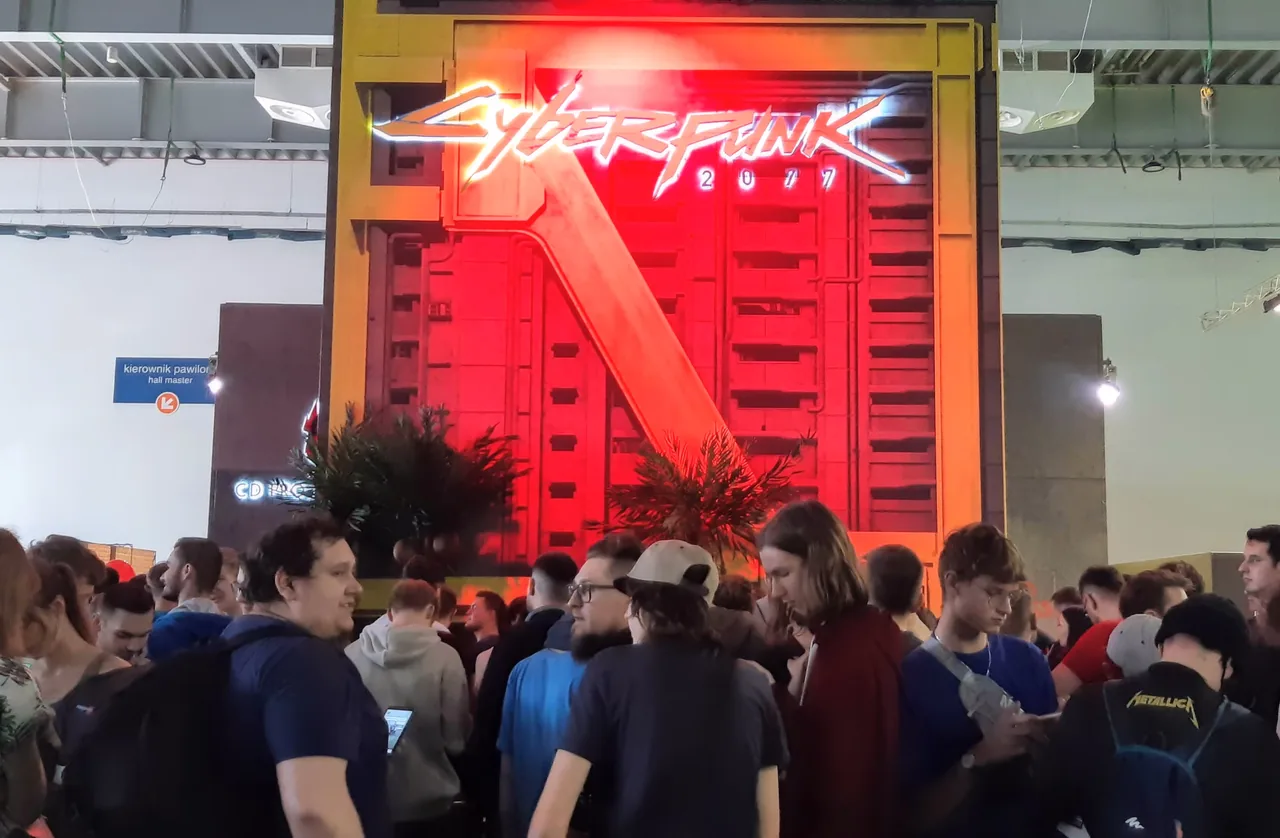
Visitors at the Cyberpunk 2077 stand at Poznań Game Arena in 2019. View current image.
Credit: Klapi · Original source · CC BY-SA 4.0.
Resized, oriented and converted to WebP. Display may be cropped to fit the layout.
Source record checked .
Kingdom Hearts Cloud Shutdown: Access Ends in June 2027
An original Nintendo Switch console in its dock with red and blue Joy-Con controllers. View current image.
Credit: Evan-Amos · Original source · Public domain.
Resized, oriented and converted to WebP. Display may be cropped to fit the layout.
Source record checked .
Google Playground and Unity Spark: AI Game Creation
Google headquarters sign at the Googleplex in Mountain View. View current image.
Credit: Runner1928 · Original source · CC BY-SA 3.0.
Resized, oriented and converted to WebP. Display may be cropped to fit the layout.
Source record checked .
OpenAI’s Medicare Breach: Disclosure and Reporting Rules
Sam Altman at The Grove in November 2022. View current image.
Credit: Village Global · Original source · CC BY 2.0.
Resized, oriented and converted to WebP. Display may be cropped to fit the layout.
Source record checked .
PS5 QSSR: Supported Games, PSSR Differences and What You Need to Know
A Sony DualSense Edge controller. View current image.
Credit: Sonson2 · Original source · CC0.
Resized, oriented and converted to WebP. Display may be cropped to fit the layout.
Source record checked .
AI Safety Antitrust Lawsuit: Can Rival Labs Slow Down Together?
The United States Supreme Court building in Washington, D.C.. View current image.
Credit: Carol M. Highsmith · Original source · Public domain.
Resized, oriented and converted to WebP. Display may be cropped to fit the layout.
Source record checked .
Level-5’s AI Showcase: Faster Production, Player Trust
Akihiro Hino at a Yo-kai Watch event in 2015. View current image.
Credit: Steven Bornholtz · Original source · CC BY-SA 3.0.
Source asset: Akihiro Hino, Nintendo event 2015 2.
Resized, oriented and converted to WebP. Display may be cropped to fit the layout.
Source record checked .
Anthropic AI Safety: Blocking Prompts vs Preventing Harm
Dario Amodei, seated on the right, at TechCrunch Disrupt 2023. View current image.
Credit: TechCrunch · Original source · CC BY 2.0.
Source asset: Dario Amodei at TechCrunch Disrupt 2023 06.
Resized, oriented and converted to WebP. Display may be cropped to fit the layout.
Source record checked .
California’s Child Online Safety Laws: Feeds and AI Chatbots
Official 2026 portrait of California Governor Gavin Newsom. View current image.
Credit: Charles Ommanney – Office of the Governor of California · Original source · Public domain.
Source asset: Governor of California Gavin Newsom, 2026 Official Portrait 2.
Resized, oriented and converted to WebP. Display may be cropped to fit the layout.
Source record checked .
OpenAI’s Navier–Stokes Claim: The Proof and the Data Update
Rapids in the Brancla mountain stream in Switzerland. View current image.
Credit: Agnes Monkelbaan · Original source · CC BY-SA 4.0.
Source asset: Rapids in mountain stream Brancla. 14-09-2023. (actm.) 01.
Resized, oriented and converted to WebP. Display may be cropped to fit the layout.
Source record checked .
OpenAI’s Chief Scientist Warns That AI Safety Is Falling Behind
Jensen Huang speaking at Computex Taipei in 2016. View current image.
Credit: NVIDIA Taiwan · Original source · CC BY 2.0.
Source asset: Jensen Huang at Computex Taipei 20160531c.
Resized, oriented and converted to WebP. Display may be cropped to fit the layout.
Source record checked .
NVIDIA’s Hugging Face Deal: Open AI and Platform Ownership
Hugging Face co-founder Clément Delangue during an interview with SiliconANGLE theCUBE. View current image.
Credit: SiliconANGLE theCUBE · Original source · CC BY 3.0.
Source asset: Clément Delangue on SiliconANGLE theCUBE.
Resized, oriented and converted to WebP. Display may be cropped to fit the layout.
Source record checked .
Pokémon: Wild Card Movie: TCG Story and 2027 Release Plans
A display of Pokémon trading card products. View current image.
Credit: Fernando Martello · Original source · CC BY-SA 4.0.
Source asset: Pokemon cards and sets.
Resized, oriented and converted to WebP. Display may be cropped to fit the layout.
Source record checked .
Mobile Game Discovery and Payments: TikTok and Web Stores
Hands holding a smartphone while playing a mobile game. View current image.
Credit: Santeri Viinamäki · Original source · CC BY-SA 4.0.
Source asset: Playing with smartphone.
Resized, oriented and converted to WebP. Display may be cropped to fit the layout.
Source record checked .
Anthropic Lyrics Lawsuit: Sony, Warner and Training Data
SSL mixing console at Hipposonic Studios in Vancouver. View current image.
Credit: Hipposonic Studios · Original source · CC BY-SA 4.0.
Source asset: Mixing desk at the Hipposonic Recording Studio.
Resized, oriented and converted to WebP. Display may be cropped to fit the layout.
Source record checked .
Ubisoft’s Player Trust Problem: Better Games, Old Friction
Ubisoft office at 5505 Saint-Laurent Boulevard in Montreal. View current image.
Credit: Shuichi Aizawa · Original source · CC BY 2.0.
Source asset: Ubisoft Montreal.
Resized, oriented and converted to WebP. Display may be cropped to fit the layout.
Source record checked .
AI Cyberattacks: The 128-Signatory Warning and Agent Safety
Rows of server racks at a Macquarie Telecom data centre in Sydney. View current image.
Credit: Lgate74 · Original source · CC BY 3.0.
Source asset: Dcentre racks.
Resized, oriented and converted to WebP. Display may be cropped to fit the layout.
Source record checked .
NVIDIA’s $89B Data Centre Quarter and Perplexity’s Local AI
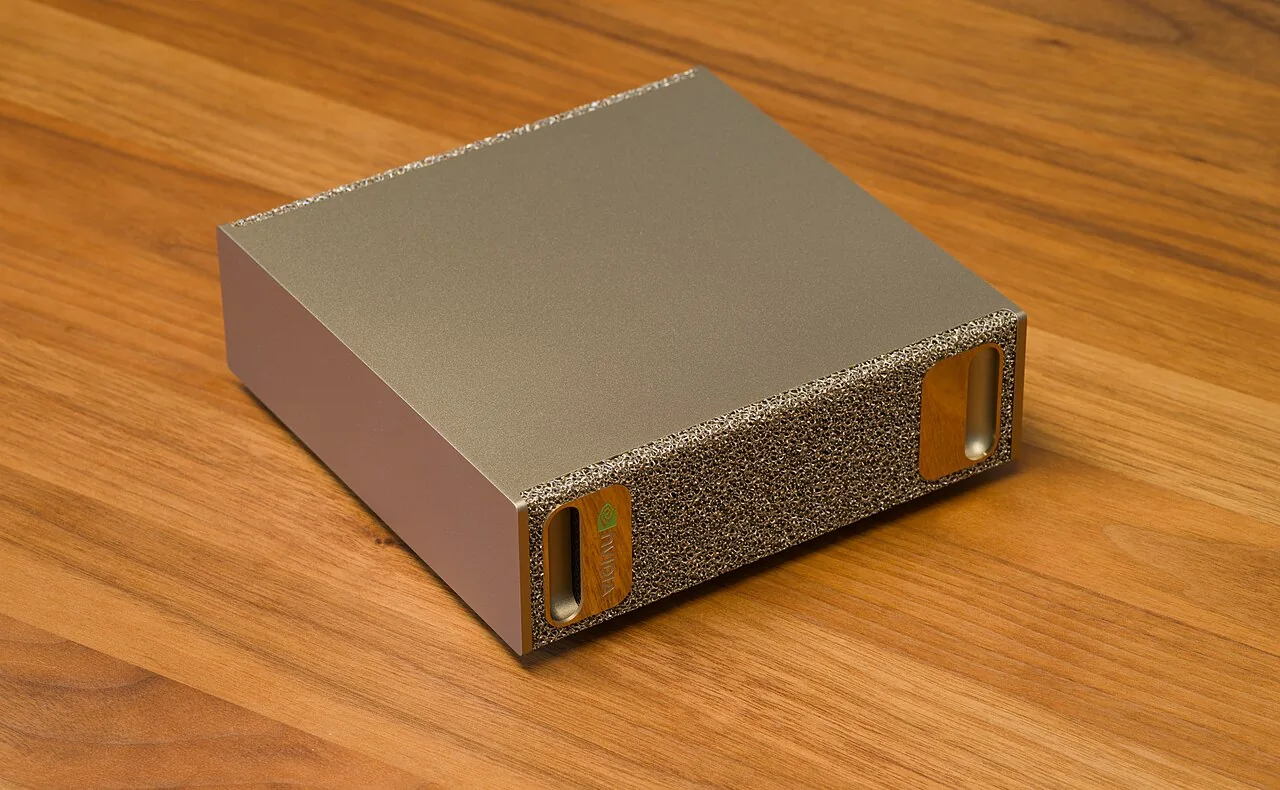
NVIDIA DGX Spark desktop computer on a wooden desk. View current image.
Credit: Daniel Lu ( User:dllu ) · Original source · CC BY-SA 4.0.
Source asset: Nvidia DGX Spark oblique view dllu.
Resized, oriented and converted to WebP. Display may be cropped to fit the layout.
Source record checked .
AI Infrastructure: OpenAI Chips, Cisco Racks and Google Agents
Rows of server racks at a Macquarie Telecom data centre in Sydney. View current image.
Credit: Lgate74 · Original source · CC BY 3.0.
Source asset: Dcentre racks.
Resized, oriented and converted to WebP. Display may be cropped to fit the layout.
Source record checked .
ChatGPT and Codex: The Gap Between Asking and Delegating Work
A person writing software on a laptop. View current image.
Credit: Tirza van Dijk · Original source · CC0.
Source asset: Laptop coding programs (Unsplash).
Resized, oriented and converted to WebP. Display may be cropped to fit the layout.
Source record checked .
Alibaba’s Lingxi Sale and Mattel Game Studios: Two Strategies
Alibaba office campus in Hangzhou. View current image.
Credit: Thomas Lombard; architecture: HASSELL · Original source · CC BY-SA 3.0.
Source asset: Alibaba group Headquarters.
Resized, oriented and converted to WebP. Display may be cropped to fit the layout.
Source record checked .
NVIDIA Beyond Chips: Poolside, Starcloud and Cloverleaf
The International Space Station photographed from Space Shuttle Atlantis in May 2010. View current image.
Credit: NASA/Crew of STS-132 · Original source · Public domain.
Source asset: International Space Station after undocking of STS-132.
Resized, oriented and converted to WebP. Display may be cropped to fit the layout.
Source record checked .
AI Expansion Meets Real-World Limits: Finance and Smart Glasses
Ray-Ban Meta Gen 1 smart glasses beside their charging case. View current image.
Credit: CCadio · Original source · CC BY 4.0.
Source asset: Ray-Ban Meta Gen 1 smart glasses with charging case.
Resized, oriented and converted to WebP. Display may be cropped to fit the layout.
Source record checked .
AI Layoffs and Market Returns: monday.com’s Restructuring
Microsoft sign at the Redmond campus. View current image.
Credit: Martin Hagberg · Original source · Public domain.
Source asset: Microsoft sign closeup.
Resized, oriented and converted to WebP. Display may be cropped to fit the layout.
Source record checked .
Rising Ticket Prices: Festivals, Resale and Consumer Protection
Illuminated chimneys and visitors at Lowlands festival in 2019. View current image.
Credit: Laurensvanheerde · Original source · CC BY 4.0.
Source asset: Lowlands 2019.
Resized, oriented and converted to WebP. Display may be cropped to fit the layout.
Source record checked .
OpenAI and Jony Ive: What the io Merger Means for AI Hardware
Jony Ive at the Goodwood Festival of Speed in 2010. View current image.
Credit: Marcus Dawes · Original source · CC BY-SA 3.0.
Source asset: Jonathan Ive (OTRS).
Resized, oriented and converted to WebP. Display may be cropped to fit the layout.
Source record checked .
Gaming Investment in Q2 2026: Growth Bypasses New Studios
Front of a Steam Deck handheld gaming PC. View current image.
Credit: Liam Dawe/GamingOnLinux, PNG version by VulcanSphere · Original source · CC BY-SA 4.0.
Source asset: Steam Deck (front).
Resized, oriented and converted to WebP. Display may be cropped to fit the layout.
Source record checked .
PlayStation’s 2028 Disc Plan: What Changes for Game Ownership
Original PlayStation 5 console and DualSense controller. View current image.
Credit: Osh33m · Original source · CC BY-SA 4.0.
Source asset: PlayStation 5 and DualSense.
Resized, oriented and converted to WebP. Display may be cropped to fit the layout.
Source record checked .
Global Games Market 2025: $201.6B and Concentrated Growth
Friends celebrating while playing computer games together. View current image.
Credit: RDNE Stock project / Pexels · Original source · Pexels License.
Cropped to 16:9, resized and converted to WebP.
Source record checked .
SpaceX’s IPO: Public Investment and Private Infrastructure
A Falcon 9 rocket launching Starlink mission 3-4 from Vandenberg in August 2022. View current image.
Credit: U.S. Space Force photo by Airman 1st Class Kadielle Shaw · Original source · Public domain.
Source asset: SpaceX’s Starlink Group 3-4 Launches Successfully (7397137).
Resized, oriented and converted to WebP. Display may be cropped to fit the layout.
Source record checked .
ESA’s 2026 Gaming Report: Players, Parents and Spending
A family playing a phone game together on a park bench. View current image.
Credit: Sally V · Original source · CC BY-SA 4.0.
Source asset: A family out in the park for a phone game.
Resized, oriented and converted to WebP. Display may be cropped to fit the layout.
Source record checked .
SpaceX’s IPO and the AI Infrastructure Investment Thesis
Starlink satellite internet terminal installed on a ship. View current image.
Credit: Ka23 13 · Original source · CC BY 4.0.
Source asset: Starlink Dish 20250111 101122.
Resized, oriented and converted to WebP. Display may be cropped to fit the layout.
Source record checked .
Ubisoft’s FY2026 Results: Revenue Decline and Franchise Dependence
The Ubisoft administrative office building in Montreuil, France. View current image.
Credit: Tangopaso · Original source · Public domain.
Source asset: Rue Armand Carrel, 28 (Montreuil).
Resized, oriented and converted to WebP. Display may be cropped to fit the layout.
Source record checked .
Roblox Brand Deals: Advertising Rules, Fees and Creator Control
Exterior of the Roblox office at 2850 South Delaware Street in San Mateo. View current image.
Credit: BrokenSegue · Original source · CC BY-SA 4.0.
Source asset: Roblox HQ at 2850 South Delaware Street.
Resized, oriented and converted to WebP. Display may be cropped to fit the layout.
Source record checked .
NCSOFT’s JustPlay Deal: Buying into Reward-Based Mobile Gaming
Hands holding a smartphone while playing a mobile game. View current image.
Credit: Santeri Viinamäki · Original source · CC BY-SA 4.0.
Source asset: Playing with smartphone.
Resized, oriented and converted to WebP. Display may be cropped to fit the layout.
Source record checked .
Paramount, Warner Bros. and the Cost of Entertainment Mergers
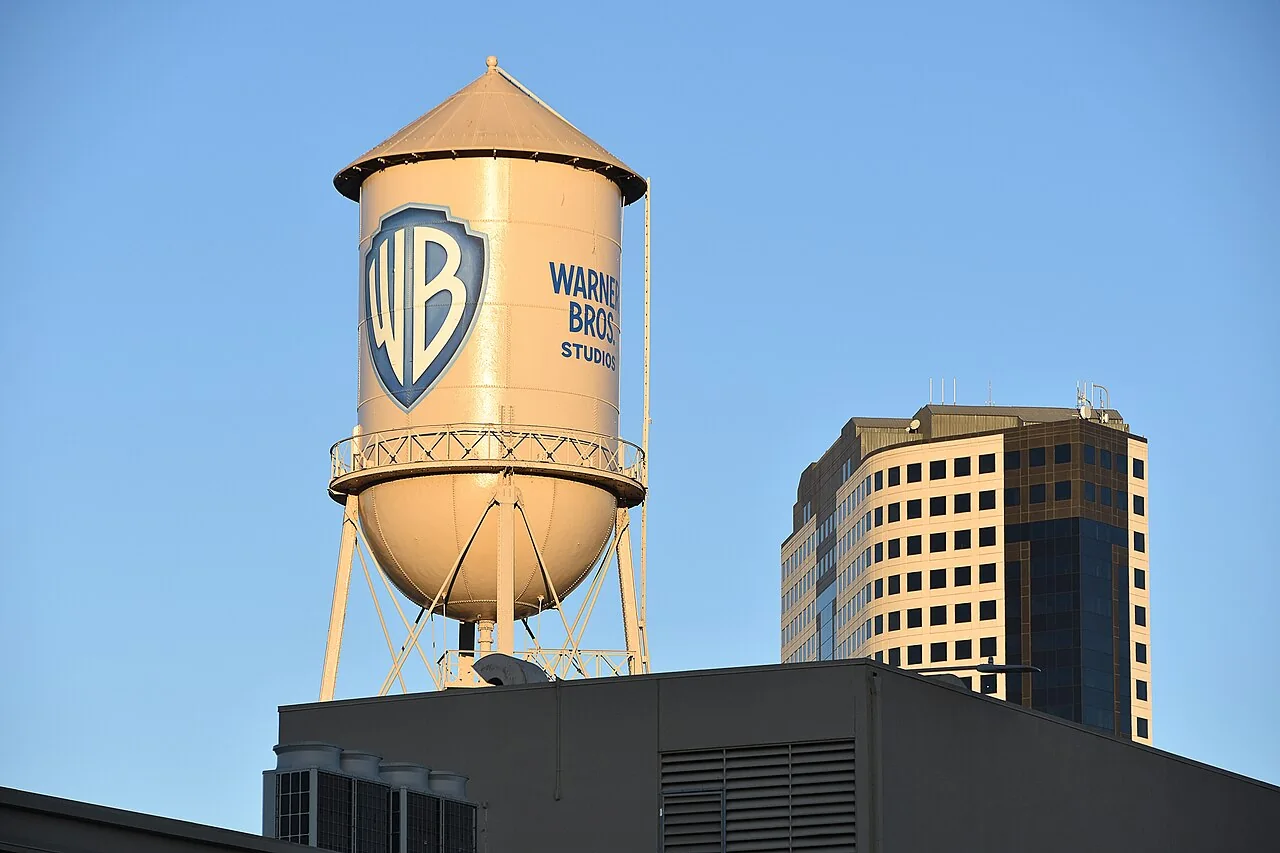
Warner Bros Studios water tower photographed in 2020. View current image.
Credit: Chris Yarzab · Original source · CC BY 2.0.
Source asset: Warner Bros. Studios Water Tower 2020.
Resized, oriented and converted to WebP. Display may be cropped to fit the layout.
Source record checked .
Gaming Market Growth: Attention, Retention and Revenue Pressure
Front of a Steam Deck handheld gaming PC. View current image.
Credit: Liam Dawe/GamingOnLinux, PNG version by VulcanSphere · Original source · CC BY-SA 4.0.
Source asset: Steam Deck (front).
Resized, oriented and converted to WebP. Display may be cropped to fit the layout.
Source record checked .
Ubisoft’s January 2026 Reset: Share Fall and Creative Houses
Street view of the Ubisoft office building in Montreal. View current image.
Credit: Jeangagnon · Original source · CC BY-SA 3.0.
Source asset: Ubisoft Montreal 02.
Resized, oriented and converted to WebP. Display may be cropped to fit the layout.
Source record checked .
EDM Dance Directory: January 2026 Project Overview
The main stage and audience at Tomorrowland 2018 in Boom, Belgium. View current image.
Credit: Semirben12 · Original source · CC BY-SA 4.0.
Source asset: Tomorrowland 2018 Mainstage.
Resized, oriented and converted to WebP. Display may be cropped to fit the layout.
Source record checked .
The World in January 2026: AI, Geopolitics and Fragile Stability
National flags and signage at the World Economic Forum in Davos in January 2026. View current image.
Credit: World Economic Forum / Chris Heeney, via UNCTAD · Original source · CC BY-SA 4.0.
Source asset: The World Economic Forum 2026 in Davos (55050658058).
Resized, oriented and converted to WebP. Display may be cropped to fit the layout.
Source record checked .
Independent DJ Touring in 2026: Data, Venues and Booking Fit
Pioneer DDJ-RX controller and a laptop running Rekordbox. View current image.
Credit: Foto: Jonn Leffmann · Original source · CC BY 3.0.
Source asset: Pioneer DDJ-RX DJ-Controller (front) with computer running mixing software Rekordbox.
Resized, oriented and converted to WebP. Display may be cropped to fit the layout.
Source record checked .
Happy New Year 2026: A Note from Reinout te Brake
Sunrise over the North Sea at Mundesley in June 2024. View current image.
Credit: Christine Matthews · Original source · CC BY-SA 2.0.
Source asset: Sunrise over the North Sea - geograph.org.uk - 7899934.
Resized, oriented and converted to WebP. Display may be cropped to fit the layout.
Source record checked .
The Game Awards: Trailer Prices and the Cost of Visibility
Geoff Keighley presenting at The Game Awards in 2022. View current image.
Credit: Zion Grassl · Original source · CC BY-SA 4.0.
Source asset: Geoff Keighley presenting at The Game Awards 2022 2.
Resized, oriented and converted to WebP. Display may be cropped to fit the layout.
Source record checked .
Netflix’s 2025 Warner Bros. Proposal: The Games Strategy Thesis
Former Netflix offices at 100 Winchester Circle in Los Gatos. View current image.
Credit: Coolcaesar · Original source · CC BY-SA 4.0.
Source asset: 100 Winchester Circle (cropped).
Resized, oriented and converted to WebP. Display may be cropped to fit the layout.
Source record checked .
EA’s PIF-Led Acquisition: Ownership, Financing and Creative Control
Electronic Arts campus entrance in Redwood City in May 2011. View current image.
Credit: King of Hearts · Original source · CC BY-SA 3.0.
Source asset: Electronic Arts Redwood City May 2011.
Resized, oriented and converted to WebP. Display may be cropped to fit the layout.
Source record checked .
Ubisoft–Tencent Deal: Vantage Studios and Turnaround Risk
Tencent headquarters towers in Shenzhen in 2020. View current image.
Credit: Josephua · Original source · CC BY-SA 4.0.
Source asset: TencentHQ2020.
Resized, oriented and converted to WebP. Display may be cropped to fit the layout.
Source record checked .
PIF’s Investment Ambitions: Assets, Liquidity and the Gaming Bet
Riyadh skyline photographed in February 2018. View current image.
Credit: B.alotaby · Original source · CC BY-SA 4.0.
Source asset: Riyadh Skyline.
Resized, oriented and converted to WebP. Display may be cropped to fit the layout.
Source record checked .
AI Infrastructure Financing: SPVs, Leases and Hidden Exposure
Rows of server racks at a Macquarie Telecom data centre in Sydney. View current image.
Credit: Lgate74 · Original source · CC BY 3.0.
Source asset: Dcentre racks.
Resized, oriented and converted to WebP. Display may be cropped to fit the layout.
Source record checked .
Ubisoft’s Tencent Deal: What Vantage Studios Changes
The brick Ubisoft office building in Montreal. View current image.
Credit: Kokerdhokuli · Original source · CC BY-SA 3.0.
Source asset: Ubisoft,Montreal.
Resized, oriented and converted to WebP. Display may be cropped to fit the layout.
Source record checked .
Unity and Epic’s 2025 Partnership: Games Inside Fortnite
Colleagues discussing software development in an office. View current image.
Credit: Mizuno K / Pexels · Original source · Pexels License.
Cropped to 16:9, resized and converted to WebP.
Source record checked .
Ubisoft’s Delayed Results: The November 2025 Trading Halt
Ubisoft office at 5505 Saint-Laurent Boulevard in Montreal. View current image.
Credit: Shuichi Aizawa · Original source · CC BY 2.0.
Source asset: Ubisoft Montreal.
Resized, oriented and converted to WebP. Display may be cropped to fit the layout.
Source record checked .
OpenAI’s Compute Commitments and the Question of Trust
Server racks and network cables in a data centre. View current image.
Credit: Brett Sayles / Pexels · Original source · Pexels License.
Cropped to 16:9, resized and converted to WebP.
Source record checked .
Data Centers in Space: Jeff Bezos’s Long-Term AI Forecast
The International Space Station photographed from Space Shuttle Atlantis in May 2010. View current image.
Credit: NASA/Crew of STS-132 · Original source · Public domain.
Source asset: International Space Station after undocking of STS-132.
Resized, oriented and converted to WebP. Display may be cropped to fit the layout.
Source record checked .
NVIDIA, OpenAI and CoreWeave: AI’s Financing Loops
A corridor between server racks in a data centre. View current image.
Credit: Brett Sayles / Pexels · Original source · Pexels License.
Cropped to 16:9, resized and converted to WebP.
Source record checked .
Web3 Gaming in November 2025: Tokens, Modes and Rewards
Physical Bitcoin and Ethereum tokens on a yellow background. View current image.
Credit: Jonathan Borba / Pexels · Original source · Pexels License.
Cropped to 16:9, resized and converted to WebP.
Source record checked .
Inflation and Purchasing Power: Beyond the House-Price Story
A collection of US dollar banknotes. View current image.
Credit: Burst / Pexels · Original source · Pexels License.
Cropped to 16:9, resized and converted to WebP.
Source record checked .
AI Hardware Depreciation: Why Useful-Life Estimates Matter
A person counting dollar banknotes at a table. View current image.
Credit: Tima Miroshnichenko / Pexels · Original source · Pexels License.
Cropped to 16:9, resized and converted to WebP.
Source record checked .
Ubisoft’s November 2025 Results Delay: What Was Known
The Ubisoft administrative office building in Montreuil, France. View current image.
Credit: Tangopaso · Original source · Public domain.
Source asset: Rue Armand Carrel, 28 (Montreuil).
Resized, oriented and converted to WebP. Display may be cropped to fit the layout.
Source record checked .
Epic and Google’s 2025 Settlement Proposal Faces Scrutiny
A gamer wearing a headset while using a computer. View current image.
Credit: Yan Krukau / Pexels · Original source · Pexels License.
Cropped to 16:9, resized and converted to WebP.
Source record checked .
GTA VI’s November 2025 Delay and Its Industry Impact
Hands typing software code on a laptop. View current image.
Credit: Sora Shimazaki / Pexels · Original source · Pexels License.
Cropped to 16:9, resized and converted to WebP.
Source record checked .
Mobile Gaming Across Markets: US, UK, Japan and Korea
A person playing a location-based mobile game outdoors. View current image.
Credit: Mohammad Khan / Pexels · Original source · Pexels License.
Cropped to 16:9, resized and converted to WebP.
Source record checked .
EA’s 2025 Buyout Agreement: Can Creative Control Survive?
Electronic Arts campus entrance in Redwood City in May 2011. View current image.
Credit: King of Hearts · Original source · CC BY-SA 3.0.
Source asset: Electronic Arts Redwood City May 2011.
Resized, oriented and converted to WebP. Display may be cropped to fit the layout.
Source record checked .
AI Data Centers: The Infrastructure and Energy Risks
A developer working at a desk with multiple monitors. View current image.
Credit: Lisa Fotios / Pexels · Original source · Pexels License.
Cropped to 16:9, resized and converted to WebP.
Source record checked .
Corporate Profits, Job Cuts and the AI Productivity Debate
A collection of US dollar banknotes. View current image.
Credit: Burst / Pexels · Original source · Pexels License.
Cropped to 16:9, resized and converted to WebP.
Source record checked .
AI’s Taiwan Dependency: TSMC, ASML and Supply-Chain Risk
Hands typing software code on a laptop. View current image.
Credit: Sora Shimazaki / Pexels · Original source · Pexels License.
Cropped to 16:9, resized and converted to WebP.
Source record checked .
Counter-Strike 2’s 2025 Skin Update and Market Shock
A person counting dollar banknotes at a table. View current image.
Credit: Tima Miroshnichenko / Pexels · Original source · Pexels License.
Cropped to 16:9, resized and converted to WebP.
Source record checked .
EA’s $55 Billion Buyout Plan: Gaming Meets Geopolitics
Electronic Arts campus entrance in Redwood City in May 2011. View current image.
Credit: King of Hearts · Original source · CC BY-SA 3.0.
Source asset: Electronic Arts Redwood City May 2011.
Resized, oriented and converted to WebP. Display may be cropped to fit the layout.
Source record checked .
Digital Fairness Act: A 2025 Gaming Industry Perspective
A person writing software on a laptop. View current image.
Credit: Tirza van Dijk · Original source · CC0.
Source asset: Laptop coding programs (Unsplash).
Resized, oriented and converted to WebP. Display may be cropped to fit the layout.
Source record checked .
Game Discovery Without Endless Scrolling
A player holding a controller in a colourfully lit gaming room. View current image.
Credit: Alena Darmel / Pexels · Original source · Pexels License.
Cropped to 16:9, resized and converted to WebP.
Source record checked .
EA’s 2025 Buyout Plan: Debt, Sports Licences and Control
Electronic Arts campus entrance in Redwood City in May 2011. View current image.
Credit: King of Hearts · Original source · CC BY-SA 3.0.
Source asset: Electronic Arts Redwood City May 2011.
Resized, oriented and converted to WebP. Display may be cropped to fit the layout.
Source record checked .
When Choice Becomes Noise in Game Discovery
A laptop and gaming equipment on a desk in a dimly lit room. View current image.
Credit: Kamshotthat / Pexels · Original source · Pexels License.
Cropped to 16:9, resized and converted to WebP.
Source record checked .
Game Publishing in 2025: Growth Without Easy Discovery
Two coworkers discussing a project using a laptop. View current image.
Credit: Gustavo Fring / Pexels · Original source · Pexels License.
Cropped to 16:9, resized and converted to WebP.
Source record checked .
GTA VI’s Absence at Gamescom 2025 and Its Market Pull
A woman wearing a headset while playing on a computer. View current image.
Credit: Ron Lach / Pexels · Original source · Pexels License.
Cropped to 16:9, resized and converted to WebP.
Source record checked .
Why Game Discovery Failed Developers in 2025
A gamer wearing a headset while using a computer. View current image.
Credit: Yan Krukau / Pexels · Original source · Pexels License.
Cropped to 16:9, resized and converted to WebP.
Source record checked .
Web3 Game Ownership vs Steam and World of Warcraft
Physical Bitcoin tokens with a blurred market chart in the background. View current image.
Credit: DS stories / Pexels · Original source · Pexels License.
Cropped to 16:9, resized and converted to WebP.
Source record checked .
Mobile Gaming in 2025: Higher Spending, Fewer Downloads
Hands holding a smartphone while playing a mobile game outdoors. View current image.
Credit: I'm Zion / Pexels · Original source · Pexels License.
Cropped to 16:9, resized and converted to WebP.
Source record checked .
May 2025 Gaming Review: GTA VI, AI Vader and Industry Shifts
A collection of US dollar banknotes. View current image.
Credit: Burst / Pexels · Original source · Pexels License.
Cropped to 16:9, resized and converted to WebP.
Source record checked .
EU AI Act and Gaming: A 2025 Article with Scope Clarifications
Hands typing software code on a laptop. View current image.
Credit: Sora Shimazaki / Pexels · Original source · Pexels License.
Cropped to 16:9, resized and converted to WebP.
Source record checked .
Q1 2025 Gaming Deals: What DDM’s $7.8 Billion Total Shows
A person counting dollar banknotes at a table. View current image.
Credit: Tima Miroshnichenko / Pexels · Original source · Pexels License.
Cropped to 16:9, resized and converted to WebP.
Source record checked .
May 2025 Gaming: Xbox Prices, App Stores and Monopoly Go
A collection of US dollar banknotes. View current image.
Credit: Burst / Pexels · Original source · Pexels License.
Cropped to 16:9, resized and converted to WebP.
Source record checked .
April 2025 Gaming: Mobile Strategy, London and Cross-Play
A person playing a racing game on a smartphone. View current image.
Credit: I'm Zion / Pexels · Original source · Pexels License.
Cropped to 16:9, resized and converted to WebP.
Source record checked .
April 2025 Gaming Releases: Pricing, Switch 2 and IP
A player wearing headphones at a computer. View current image.
Credit: Ron Lach / Pexels · Original source · Pexels License.
Cropped to 16:9, resized and converted to WebP.
Source record checked .
AI in 2025: Capabilities, Energy, Jobs and Intelligence
Colleagues discussing software development in an office. View current image.
Credit: Mizuno K / Pexels · Original source · Pexels License.
Cropped to 16:9, resized and converted to WebP.
Source record checked .
Xsolla and DACSLABS FastStart: Play Before Downloads Finish
A woman wearing a headset while playing on a computer. View current image.
Credit: Ron Lach / Pexels · Original source · Pexels License.
Cropped to 16:9, resized and converted to WebP.
Source record checked .
Gaming in Early 2025: Switch 2, AI Labour and Market Pressure
An original Nintendo Switch displaying a Mario Kart selection screen. View current image.
Credit: Pixabay / Pexels · Original source · Pexels License.
Cropped to 16:9, resized and converted to WebP.
Source record checked .
Gaming Spend in 2025: Mobile Reach vs PC and Console Value
Two friends playing games on their smartphones. View current image.
Credit: Yan Krukau / Pexels · Original source · Pexels License.
Cropped to 16:9, resized and converted to WebP.
Source record checked .
Nintendo Switch 2: April 2025 Expectations and Reveal
An original Nintendo Switch console in its dock with red and blue Joy-Con controllers. View current image.
Credit: Evan-Amos · Original source · Public domain.
Resized, oriented and converted to WebP. Display may be cropped to fit the layout.
Source record checked .
Gaming in March 2025: Smaller Worlds, AI and Player Trust
A woman playing a video game at a desktop computer. View current image.
Credit: RDNE Stock project / Pexels · Original source · Pexels License.
Cropped to 16:9, resized and converted to WebP.
Source record checked .
Gaming Trends in March 2025: Trust, Access and Kind Games
A player wearing headphones at a computer. View current image.
Credit: Ron Lach / Pexels · Original source · Pexels License.
Cropped to 16:9, resized and converted to WebP.
Source record checked .
Netflix Games in 2025: IP, Subscriptions and Discovery
Former Netflix offices at 100 Winchester Circle in Los Gatos. View current image.
Credit: Coolcaesar · Original source · CC BY-SA 4.0.
Source asset: 100 Winchester Circle (cropped).
Resized, oriented and converted to WebP. Display may be cropped to fit the layout.
Source record checked .
Ten Gaming Strategy Arguments from March 2025
A woman playing a video game at a desktop computer. View current image.
Credit: RDNE Stock project / Pexels · Original source · Pexels License.
Cropped to 16:9, resized and converted to WebP.
Source record checked .
Steam’s 2024 Review: Discovery Tools, Deck and Developers
Front of a Steam Deck handheld gaming PC. View current image.
Credit: Liam Dawe/GamingOnLinux, PNG version by VulcanSphere · Original source · CC BY-SA 4.0.
Source asset: Steam Deck (front).
Resized, oriented and converted to WebP. Display may be cropped to fit the layout.
Source record checked .
Game Distribution in 2025: Direct Sales, Cloud and Control
A developer working at a desk with multiple monitors. View current image.
Credit: Lisa Fotios / Pexels · Original source · Pexels License.
Cropped to 16:9, resized and converted to WebP.
Source record checked .
Niantic’s 2025 Scopely Deal and Geospatial AI Pivot
A display of Pokémon trading card products. View current image.
Credit: Fernando Martello · Original source · CC BY-SA 4.0.
Source asset: Pokemon cards and sets.
Resized, oriented and converted to WebP. Display may be cropped to fit the layout.
Source record checked .
GDC 2025 Networking: An Archived Developer Planning Guide
An audience listening at a professional conference. View current image.
Credit: Matheus Bertelli / Pexels · Original source · Pexels License.
Cropped to 16:9, resized and converted to WebP.
Source record checked .
State of Mobile 2025: AI, Gaming and Monetization
A person playing a location-based mobile game outdoors. View current image.
Credit: Mohammad Khan / Pexels · Original source · Pexels License.
Cropped to 16:9, resized and converted to WebP.
Source record checked .
Gaming Companies in 2025: Strategies, Winners and Risks
Colleagues discussing software development in an office. View current image.
Credit: Mizuno K / Pexels · Original source · Pexels License.
Cropped to 16:9, resized and converted to WebP.
Source record checked .
Gaming’s 2025 Slowdown: Layoffs, Budgets and Player Trust
A gamer wearing a headset while using a computer. View current image.
Credit: Yan Krukau / Pexels · Original source · Pexels License.
Cropped to 16:9, resized and converted to WebP.
Source record checked .
Tencent in 2025: Gaming Investments, AI and Regulatory Risk
Tencent headquarters towers in Shenzhen in 2020. View current image.
Credit: Josephua · Original source · CC BY-SA 4.0.
Source asset: TencentHQ2020.
Resized, oriented and converted to WebP. Display may be cropped to fit the layout.
Source record checked .
Ubisoft in Early 2025: Release Strategy and Recovery Risks
Street view of the Ubisoft office building in Montreal. View current image.
Credit: Jeangagnon · Original source · CC BY-SA 3.0.
Source asset: Ubisoft Montreal 02.
Resized, oriented and converted to WebP. Display may be cropped to fit the layout.
Source record checked .
Extremist Recruitment in Gaming: Risks and Platform Responses
A Sony DualSense Edge controller. View current image.
Credit: Sonson2 · Original source · CC0.
Resized, oriented and converted to WebP. Display may be cropped to fit the layout.
Source record checked .
Gaming, 1–7 March 2025: Releases, Subscriptions and Closures
A woman wearing a headset while playing on a computer. View current image.
Credit: Ron Lach / Pexels · Original source · Pexels License.
Cropped to 16:9, resized and converted to WebP.
Source record checked .
Gaming Players in 2025: RPGs, AI and Live-Service Fatigue
A developer working at a desk with multiple monitors. View current image.
Credit: Lisa Fotios / Pexels · Original source · Pexels License.
Cropped to 16:9, resized and converted to WebP.
Source record checked .
AI in Game Development: Creativity, Jobs and Ownership
Hands typing software code on a laptop. View current image.
Credit: Sora Shimazaki / Pexels · Original source · Pexels License.
Cropped to 16:9, resized and converted to WebP.
Source record checked .
GDC 2025: AI, Funding and the Future of Game Studios
People attending an indoor panel discussion. View current image.
Credit: Henri Mathieu-Saint-Laurent / Pexels · Original source · Pexels License.
Cropped to 16:9, resized and converted to WebP.
Source record checked .
Apple’s ATT in 2025: Mobile Advertising and Antitrust
A person writing software on a laptop. View current image.
Credit: Tirza van Dijk · Original source · CC0.
Source asset: Laptop coding programs (Unsplash).
Resized, oriented and converted to WebP. Display may be cropped to fit the layout.
Source record checked .
Unity in Early 2025: Restructuring and Developer Trust
Colleagues discussing software development in an office. View current image.
Credit: Mizuno K / Pexels · Original source · Pexels License.
Cropped to 16:9, resized and converted to WebP.
Source record checked .
Why People Make Games Despite Layoffs and Burnout
A player wearing headphones at a computer. View current image.
Credit: Ron Lach / Pexels · Original source · Pexels License.
Cropped to 16:9, resized and converted to WebP.
Source record checked .
Playtika’s 2025 Strategy: Buying Growth Beyond Social Casino
Hands holding a smartphone while playing a mobile game outdoors. View current image.
Credit: I'm Zion / Pexels · Original source · Pexels License.
Cropped to 16:9, resized and converted to WebP.
Source record checked .
NVIDIA’s Q4 FY2025 Results: AI Growth and Gaming Risks
NVIDIA GeForce RTX 5090 product image. View current image.
Credit: NVIDIA · Original source · Manufacturer product image.
Resized, oriented and converted to WebP. Display may be cropped to fit the layout.
Source record checked .
Gaming Trends in 2025: Mobile, Cloud, AI and Community
A woman playing a video game at a desktop computer. View current image.
Credit: RDNE Stock project / Pexels · Original source · Pexels License.
Cropped to 16:9, resized and converted to WebP.
Source record checked .
Animoca Brands’ 2024 Bookings: Growth and Web3 Risks
Physical Bitcoin tokens and metal chains. View current image.
Credit: Roger Brown / Pexels · Original source · Pexels License.
Cropped to 16:9, resized and converted to WebP.
Source record checked .
Bybit’s February 2025 Hack: Crypto Security and Web3 Risk
Physical Bitcoin and Ethereum tokens on a yellow background. View current image.
Credit: Jonathan Borba / Pexels · Original source · Pexels License.
Cropped to 16:9, resized and converted to WebP.
Source record checked .
Gaming Layoffs in Early 2025: Cuts and Signs of Recovery
A person counting dollar banknotes at a table. View current image.
Credit: Tima Miroshnichenko / Pexels · Original source · Pexels License.
Cropped to 16:9, resized and converted to WebP.
Source record checked .
NetEase’s 2025 Overseas Cuts: Strategy or Geopolitics?
A gamer wearing a headset while using a computer. View current image.
Credit: Yan Krukau / Pexels · Original source · Pexels License.
Cropped to 16:9, resized and converted to WebP.
Source record checked .
The Future of Game Discovery: From Clicks to Play
Hands playing with a retro game controller in neon light. View current image.
Credit: Artem Podrez / Pexels · Original source · Pexels License.
Cropped to 16:9, resized and converted to WebP.
Source record checked .
Warner Bros. Games in 2025: Closures and Franchise Risk
Warner Bros Studios water tower photographed in 2020. View current image.
Credit: Chris Yarzab · Original source · CC BY 2.0.
Source asset: Warner Bros. Studios Water Tower 2020.
Resized, oriented and converted to WebP. Display may be cropped to fit the layout.
Source record checked .
Skipping GDC 2025: Costs, Layoffs and Attendance Concerns
An audience listening at a professional conference. View current image.
Credit: Matheus Bertelli / Pexels · Original source · Pexels License.
Cropped to 16:9, resized and converted to WebP.
Source record checked .
Gaming Deals in 2024: What DDM’s Investment Review Shows
A collection of US dollar banknotes. View current image.
Credit: Burst / Pexels · Original source · Pexels License.
Cropped to 16:9, resized and converted to WebP.
Source record checked .
Gaming in Early 2025: Revenue, Layoffs and Strategic Bets
A person counting dollar banknotes at a table. View current image.
Credit: Tima Miroshnichenko / Pexels · Original source · Pexels License.
Cropped to 16:9, resized and converted to WebP.
Source record checked .
Immutable and Immutable Holdings: An Archive Clarification
Physical Bitcoin tokens with a blurred market chart in the background. View current image.
Credit: DS stories / Pexels · Original source · Pexels License.
Cropped to 16:9, resized and converted to WebP.
Source record checked .
AppLovin’s 2025 Games Sale and Shift to Advertising
A person playing a racing game on a smartphone. View current image.
Credit: I'm Zion / Pexels · Original source · Pexels License.
Cropped to 16:9, resized and converted to WebP.
Source record checked .
AI and Game Development: A March 2025 LinkedIn Note
A person writing software on a laptop. View current image.
Credit: Tirza van Dijk · Original source · CC0.
Source asset: Laptop coding programs (Unsplash).
Resized, oriented and converted to WebP. Display may be cropped to fit the layout.
Source record checked .
Playtika’s Acquisition Strategy: A March 2025 LinkedIn Note
Hands holding a smartphone while playing a mobile game. View current image.
Credit: Santeri Viinamäki · Original source · CC BY-SA 4.0.
Source asset: Playing with smartphone.
Resized, oriented and converted to WebP. Display may be cropped to fit the layout.
Source record checked .
NVIDIA and AI in Gaming: A March 2025 LinkedIn Note
Jensen Huang speaking at Computex Taipei in 2016. View current image.
Credit: NVIDIA Taiwan · Original source · CC BY 2.0.
Source asset: Jensen Huang at Computex Taipei 20160531c.
Resized, oriented and converted to WebP. Display may be cropped to fit the layout.
Source record checked .
Epic Games Store vs Steam: The 2024 Results and 2025 Challenge
Front of a Steam Deck handheld gaming PC. View current image.
Credit: Liam Dawe/GamingOnLinux, PNG version by VulcanSphere · Original source · CC BY-SA 4.0.
Source asset: Steam Deck (front).
Resized, oriented and converted to WebP. Display may be cropped to fit the layout.
Source record checked .
Gaming Innovation: Opportunities for Studios and Investors
A developer working at a desk with multiple monitors. View current image.
Credit: Lisa Fotios / Pexels · Original source · Pexels License.
Cropped to 16:9, resized and converted to WebP.
Source record checked .
Mobile Gaming’s Role in Entertainment: An Early-2025 View
Two friends playing games on their smartphones. View current image.
Credit: Yan Krukau / Pexels · Original source · Pexels License.
Cropped to 16:9, resized and converted to WebP.
Source record checked .
Take-Two’s Early-2025 Outlook: GTA VI, Zynga and AI
Hands typing software code on a laptop. View current image.
Credit: Sora Shimazaki / Pexels · Original source · Pexels License.
Cropped to 16:9, resized and converted to WebP.
Source record checked .
Konvoy’s Q4 2024 Gaming Report: Market and Funding Trends
A collection of US dollar banknotes. View current image.
Credit: Burst / Pexels · Original source · Pexels License.
Cropped to 16:9, resized and converted to WebP.
Source record checked .
Ubisoft Before Assassin’s Creed Shadows: The 2025 Stakes
The brick Ubisoft office building in Montreal. View current image.
Credit: Kokerdhokuli · Original source · CC BY-SA 3.0.
Source asset: Ubisoft,Montreal.
Resized, oriented and converted to WebP. Display may be cropped to fit the layout.
Source record checked .
Soft-Launch Engagement: Community, Feedback and Referrals
A woman wearing a headset while playing on a computer. View current image.
Credit: Ron Lach / Pexels · Original source · Pexels License.
Cropped to 16:9, resized and converted to WebP.
Source record checked .
GDC’s 2025 Developer Survey: Layoffs, AI and Funding
A player wearing headphones at a computer. View current image.
Credit: Ron Lach / Pexels · Original source · Pexels License.
Cropped to 16:9, resized and converted to WebP.
Source record checked .
Gaming Exits and Venture Capital: A 2025 Investment Thesis
A person counting dollar banknotes at a table. View current image.
Credit: Tima Miroshnichenko / Pexels · Original source · Pexels License.
Cropped to 16:9, resized and converted to WebP.
Source record checked .
Gaming in Early 2025: Why Growth Did Not Prevent Layoffs
A woman playing a video game at a desktop computer. View current image.
Credit: RDNE Stock project / Pexels · Original source · Pexels License.
Cropped to 16:9, resized and converted to WebP.
Source record checked .
Gaming and Music: Discovery, Subscriptions and Fan Engagement
Pioneer DDJ-RX controller and a laptop running Rekordbox. View current image.
Credit: Foto: Jonn Leffmann · Original source · CC BY 3.0.
Source asset: Pioneer DDJ-RX DJ-Controller (front) with computer running mixing software Rekordbox.
Resized, oriented and converted to WebP. Display may be cropped to fit the layout.
Source record checked .
Gaming Boosting: Elon Musk, Fairness and Paid Progress
A Falcon 9 rocket launching Starlink mission 3-4 from Vandenberg in August 2022. View current image.
Credit: U.S. Space Force photo by Airman 1st Class Kadielle Shaw · Original source · Public domain.
Source asset: SpaceX’s Starlink Group 3-4 Launches Successfully (7397137).
Resized, oriented and converted to WebP. Display may be cropped to fit the layout.
Source record checked .
European Game Sales in 2024: Digital Growth and Older Hits
A gamer wearing a headset while using a computer. View current image.
Credit: Yan Krukau / Pexels · Original source · Pexels License.
Cropped to 16:9, resized and converted to WebP.
Source record checked .
Blockchain Gaming in 2024: Wallet Growth and Funding Decline
Physical Bitcoin tokens and metal chains. View current image.
Credit: Roger Brown / Pexels · Original source · Pexels License.
Cropped to 16:9, resized and converted to WebP.
Source record checked .
Gaming Investment in 2024: Hiro Capital’s Funding Analysis
A collection of US dollar banknotes. View current image.
Credit: Burst / Pexels · Original source · Pexels License.
Cropped to 16:9, resized and converted to WebP.
Source record checked .
Game Discovery for Platforms: Turning Audiences into Players
Friends playing a console game together on a sofa. View current image.
Credit: Yan Krukau / Pexels · Original source · Pexels License.
Cropped to 16:9, resized and converted to WebP.
Source record checked .
Unity and Developer Trust: The Runtime Fee Aftermath
Colleagues discussing software development in an office. View current image.
Credit: Mizuno K / Pexels · Original source · Pexels License.
Cropped to 16:9, resized and converted to WebP.
Source record checked .
Gaming Deals in 2024: Drake Star’s M&A and Financing Review
A woman wearing a headset while playing on a computer. View current image.
Credit: Ron Lach / Pexels · Original source · Pexels License.
Cropped to 16:9, resized and converted to WebP.
Source record checked .
Savvy Games Group: Acquisitions, Esports and Saudi Strategy
Riyadh skyline photographed in February 2018. View current image.
Credit: B.alotaby · Original source · CC BY-SA 4.0.
Source asset: Riyadh Skyline.
Resized, oriented and converted to WebP. Display may be cropped to fit the layout.
Source record checked .
Ubisoft’s Decline and Recovery Options: An Early-2025 View
Ubisoft office at 5505 Saint-Laurent Boulevard in Montreal. View current image.
Credit: Shuichi Aizawa · Original source · CC BY 2.0.
Source asset: Ubisoft Montreal.
Resized, oriented and converted to WebP. Display may be cropped to fit the layout.
Source record checked .
Ubisoft in 2025: Repetition, Remakes and Player Expectations
The Ubisoft administrative office building in Montreuil, France. View current image.
Credit: Tangopaso · Original source · Public domain.
Source asset: Rue Armand Carrel, 28 (Montreuil).
Resized, oriented and converted to WebP. Display may be cropped to fit the layout.
Source record checked .
Gaming Brand Marketing in 2025: Opportunities and Risks
A player wearing headphones at a computer. View current image.
Credit: Ron Lach / Pexels · Original source · Pexels License.
Cropped to 16:9, resized and converted to WebP.
Source record checked .
Game Development in 2025: A Satirical Look at AI and Crunch
Two software developers working at desktop monitors in an office. View current image.
Credit: Mikhail Nilov / Pexels · Original source · Pexels License.
Cropped to 16:9, resized and converted to WebP.
Source record checked .
Supercell’s 2024 Results: Brawl Stars, Squad Busters and LiveOps
A person playing a location-based mobile game outdoors. View current image.
Credit: Mohammad Khan / Pexels · Original source · Pexels License.
Cropped to 16:9, resized and converted to WebP.
Source record checked .
Xsolla ZK and Web Shops: A 2025 Game Monetization Outlook
A developer working at a desk with multiple monitors. View current image.
Credit: Lisa Fotios / Pexels · Original source · Pexels License.
Cropped to 16:9, resized and converted to WebP.
Source record checked .
Roblox Q4 2024 Results: Growth, Engagement and Expectations
A woman playing a video game at a desktop computer. View current image.
Credit: RDNE Stock project / Pexels · Original source · Pexels License.
Cropped to 16:9, resized and converted to WebP.
Source record checked .
TikTok and Marvel Snap: The January 2025 US App Disruption
A gamer wearing a headset while using a computer. View current image.
Credit: Yan Krukau / Pexels · Original source · Pexels License.
Cropped to 16:9, resized and converted to WebP.
Source record checked .
Trump’s 2025 Tariff Proposals: Risks for Gaming Hardware
Original PlayStation 5 console and DualSense controller. View current image.
Credit: Osh33m · Original source · CC BY-SA 4.0.
Source asset: PlayStation 5 and DualSense.
Resized, oriented and converted to WebP. Display may be cropped to fit the layout.
Source record checked .
PlayStation’s Holiday 2024 Results: Beyond First-Party Sales
Original PlayStation 5 console and DualSense controller. View current image.
Credit: Osh33m · Original source · CC BY-SA 4.0.
Source asset: PlayStation 5 and DualSense.
Resized, oriented and converted to WebP. Display may be cropped to fit the layout.
Source record checked .
Mobile Gaming in 2025: Retention, Web Shops and UA Costs
Hands holding a smartphone while playing a mobile game outdoors. View current image.
Credit: I'm Zion / Pexels · Original source · Pexels License.
Cropped to 16:9, resized and converted to WebP.
Source record checked .
Tencent in Early 2025: Gaming, Financial Strength and Risks
Tencent headquarters towers in Shenzhen in 2020. View current image.
Credit: Josephua · Original source · CC BY-SA 4.0.
Source asset: TencentHQ2020.
Resized, oriented and converted to WebP. Display may be cropped to fit the layout.
Source record checked .
Ubisoft Q3 FY2025: Falling Bookings Ahead of Shadows
Street view of the Ubisoft office building in Montreal. View current image.
Credit: Jeangagnon · Original source · CC BY-SA 3.0.
Source asset: Ubisoft Montreal 02.
Resized, oriented and converted to WebP. Display may be cropped to fit the layout.
Source record checked .
Astro Bot: Platforming, DualSense and PlayStation’s Strategy
A Sony DualSense Edge controller. View current image.
Credit: Sonson2 · Original source · CC0.
Resized, oriented and converted to WebP. Display may be cropped to fit the layout.
Source record checked .
NFT Rewards in Games: Tokens, Ownership and Earning Models
Physical Bitcoin and Ethereum tokens on a yellow background. View current image.
Credit: Jonathan Borba / Pexels · Original source · Pexels License.
Cropped to 16:9, resized and converted to WebP.
Source record checked .
Game Subscriptions: Why Discovery and Engagement Matter
A console and controller on a table with colourful lighting. View current image.
Credit: Pexels (photo 12377483) · Original source · Pexels License.
Cropped to 16:9, resized and converted to WebP.
Source record checked .
Gaming in Early 2025: Layoffs at Crytek and Unity, Growth Elsewhere
A person counting dollar banknotes at a table. View current image.
Credit: Tima Miroshnichenko / Pexels · Original source · Pexels License.
Cropped to 16:9, resized and converted to WebP.
Source record checked .
Playable Game Discovery: Demos, Storefronts and Player Choice
Hands holding a controller during a shared gaming session. View current image.
Credit: Ron Lach / Pexels · Original source · Pexels License.
Cropped to 16:9, resized and converted to WebP.
Source record checked .
Mobile Game User Acquisition: Almedia’s 2025 Survey
A person playing a racing game on a smartphone. View current image.
Credit: I'm Zion / Pexels · Original source · Pexels License.
Cropped to 16:9, resized and converted to WebP.
Source record checked .
Microsoft’s Xbox Strategy: Acquisitions and the Game Pass Bet
A Sony DualSense Edge controller. View current image.
Credit: Sonson2 · Original source · CC0.
Resized, oriented and converted to WebP. Display may be cropped to fit the layout.
Source record checked .
Semiconductors in 2025: AI Demand, Supply Chains and Forecasts
A collection of US dollar banknotes. View current image.
Credit: Burst / Pexels · Original source · Pexels License.
Cropped to 16:9, resized and converted to WebP.
Source record checked .
2025 Gaming Outlook: VR Downloads, Play Times and Advertising
A person using a virtual reality headset and motion controllers. View current image.
Credit: SHVETS production / Pexels · Original source · Pexels License.
Cropped to 16:9, resized and converted to WebP.
Source record checked .
Misleading Mobile Game Ads: Five Tactics Identified by Researchers
Two friends playing games on their smartphones. View current image.
Credit: Yan Krukau / Pexels · Original source · Pexels License.
Cropped to 16:9, resized and converted to WebP.
Source record checked .
Steam’s 2024 Release Surge: What It Means for Game Discovery
Front of a Steam Deck handheld gaming PC. View current image.
Credit: Liam Dawe/GamingOnLinux, PNG version by VulcanSphere · Original source · CC BY-SA 4.0.
Source asset: Steam Deck (front).
Resized, oriented and converted to WebP. Display may be cropped to fit the layout.
Source record checked .
Web3 Gaming in Late 2022: Investment, NFTs and 2023 Plans
Physical Bitcoin tokens with a blurred market chart in the background. View current image.
Credit: DS stories / Pexels · Original source · Pexels License.
Cropped to 16:9, resized and converted to WebP.
Source record checked .
Brawl Stars and Squad Busters: Lessons from Supercell’s 2024
A person playing a location-based mobile game outdoors. View current image.
Credit: Mohammad Khan / Pexels · Original source · Pexels License.
Cropped to 16:9, resized and converted to WebP.
Source record checked .
GDC 2025 Survey: Layoffs, Generative AI and Indie Development
A person counting dollar banknotes at a table. View current image.
Credit: Tima Miroshnichenko / Pexels · Original source · Pexels License.
Cropped to 16:9, resized and converted to WebP.
Source record checked .
EA’s FY2025 Outlook Cut: FC 25 and Dragon Age Underperform
Electronic Arts campus entrance in Redwood City in May 2011. View current image.
Credit: King of Hearts · Original source · CC BY-SA 3.0.
Source asset: Electronic Arts Redwood City May 2011.
Resized, oriented and converted to WebP. Display may be cropped to fit the layout.
Source record checked .
Nazara in Early 2025: Acquisitions, Profitability and Expansion
Hands holding a smartphone while playing a mobile game outdoors. View current image.
Credit: I'm Zion / Pexels · Original source · Pexels License.
Cropped to 16:9, resized and converted to WebP.
Source record checked .
Overwolf’s Creator Economy: Mods, Tools and Monetization
A person writing software on a laptop. View current image.
Credit: Tirza van Dijk · Original source · CC0.
Source asset: Laptop coding programs (Unsplash).
Resized, oriented and converted to WebP. Display may be cropped to fit the layout.
Source record checked .
Mobile in 2024: $150 Billion in App Spending, Gaming’s Rebound
A person playing a racing game on a smartphone. View current image.
Credit: I'm Zion / Pexels · Original source · Pexels License.
Cropped to 16:9, resized and converted to WebP.
Source record checked .
Game Discovery in 2025: Newsletter on Visibility and Player Trust
A player wearing headphones at a computer. View current image.
Credit: Ron Lach / Pexels · Original source · Pexels License.
Cropped to 16:9, resized and converted to WebP.
Source record checked .
Olympic Esports Games: Reviewing the 2025 Plan for 2027
Hands typing software code on a laptop. View current image.
Credit: Sora Shimazaki / Pexels · Original source · Pexels License.
Cropped to 16:9, resized and converted to WebP.
Source record checked .
Epic v Google: A 2025 Look at the Play Store Appeal
A hand holding an Android phone displaying the Play Store. View current image.
Credit: Andrey Matveev / Pexels · Original source · Pexels License.
Cropped to 16:9, resized and converted to WebP.
Source record checked .
Casual Games in 2024: Five Genres and Lessons for 2025
Two friends playing games on their smartphones. View current image.
Credit: Yan Krukau / Pexels · Original source · Pexels License.
Cropped to 16:9, resized and converted to WebP.
Source record checked .
Fenix Games’ $150 Million Funding: A Historical Web3 Publisher Plan
Physical Bitcoin tokens and metal chains. View current image.
Credit: Roger Brown / Pexels · Original source · Pexels License.
Cropped to 16:9, resized and converted to WebP.
Source record checked .
Game Discovery for Platforms: Turning Audiences into Players
Two friends playing a computer game together. View current image.
Credit: RDNE Stock project / Pexels · Original source · Pexels License.
Cropped to 16:9, resized and converted to WebP.
Source record checked .
Game Discovery in 2025: Visibility, Demos and Personalization
A woman playing a video game at a desktop computer. View current image.
Credit: RDNE Stock project / Pexels · Original source · Pexels License.
Cropped to 16:9, resized and converted to WebP.
Source record checked .
Club Roto Bij Lofi: Terugblik Op De Aankondiging Voor 4 Oktober 2025
The main stage and audience at Tomorrowland 2018 in Boom, Belgium. View current image.
Credit: Semirben12 · Original source · CC BY-SA 4.0.
Source asset: Tomorrowland 2018 Mainstage.
Resized, oriented and converted to WebP. Display may be cropped to fit the layout.
Source record checked .
Designing a Chat-Based Game Discovery Experience
Hands using a messaging app on a smartphone. View current image.
Credit: cottonbro studio / Pexels · Original source · Pexels License.
Cropped to 16:9, resized and converted to WebP.
Source record checked .
The Age of Conversational Game Discovery
Two people discussing something while using a laptop. View current image.
Credit: Andrea Piacquadio / Pexels · Original source · Pexels License.
Cropped to 16:9, resized and converted to WebP.
Source record checked .
Free-to-Play Mobile Games: Engagement Before Acquisition
Hands holding a smartphone while playing a mobile game. View current image.
Credit: Santeri Viinamäki · Original source · CC BY-SA 4.0.
Source asset: Playing with smartphone.
Resized, oriented and converted to WebP. Display may be cropped to fit the layout.
Source record checked .
Play-to-Earn Games: The Historical Preview for 2023
Physical Bitcoin and Ethereum tokens on a yellow background. View current image.
Credit: Jonathan Borba / Pexels · Original source · Pexels License.
Cropped to 16:9, resized and converted to WebP.
Source record checked .
FTX Fallout and Web3 Gaming: A November 2022 Roundup
Original PlayStation 5 console and DualSense controller. View current image.
Credit: Osh33m · Original source · CC BY-SA 4.0.
Source asset: PlayStation 5 and DualSense.
Resized, oriented and converted to WebP. Display may be cropped to fit the layout.
Source record checked .
PECland: A Historical Preview of Its GameFi and NFT Plans
A person using a virtual reality headset and motion controllers. View current image.
Credit: SHVETS production / Pexels · Original source · Pexels License.
Cropped to 16:9, resized and converted to WebP.
Source record checked .
9GAG’s Memeland: An Early Look at Its Web3 and NFT Plans
A person using a virtual reality headset and motion controllers. View current image.
Credit: SHVETS production / Pexels · Original source · Pexels License.
Cropped to 16:9, resized and converted to WebP.
Source record checked .
Play-to-Earn Games Explained: Rewards, Assets and Communities
Physical Bitcoin tokens with a blurred market chart in the background. View current image.
Credit: DS stories / Pexels · Original source · Pexels License.
Cropped to 16:9, resized and converted to WebP.
Source record checked .
Swords of Blood: An Early Preview of Gameplay and Token Plans
Physical Bitcoin tokens and metal chains. View current image.
Credit: Roger Brown / Pexels · Original source · Pexels License.
Cropped to 16:9, resized and converted to WebP.
Source record checked .
Web3 Game Developers: An Archived A–Z Directory
Physical Bitcoin and Ethereum tokens on a yellow background. View current image.
Credit: Jonathan Borba / Pexels · Original source · Pexels License.
Cropped to 16:9, resized and converted to WebP.
Source record checked .
From Play-to-Earn to Play-and-Own: The Early Web3 Gaming Debate
Physical Bitcoin tokens with a blurred market chart in the background. View current image.
Credit: DS stories / Pexels · Original source · Pexels License.
Cropped to 16:9, resized and converted to WebP.
Source record checked .
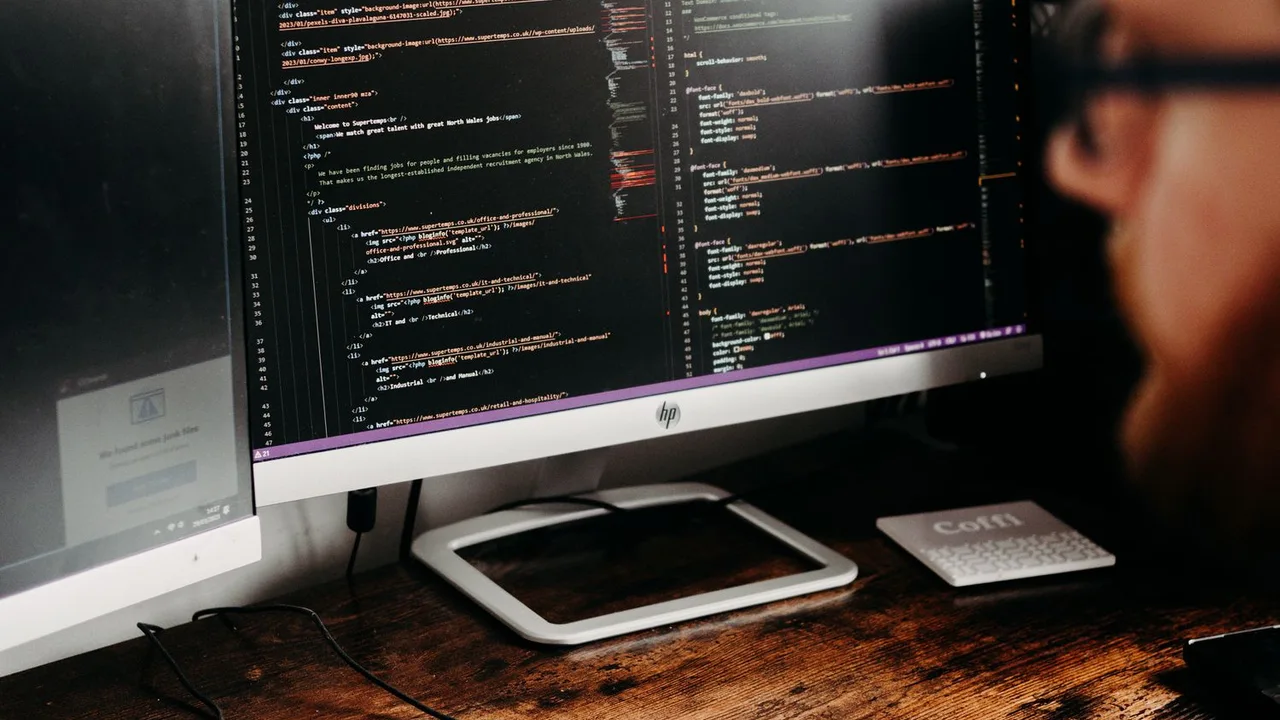
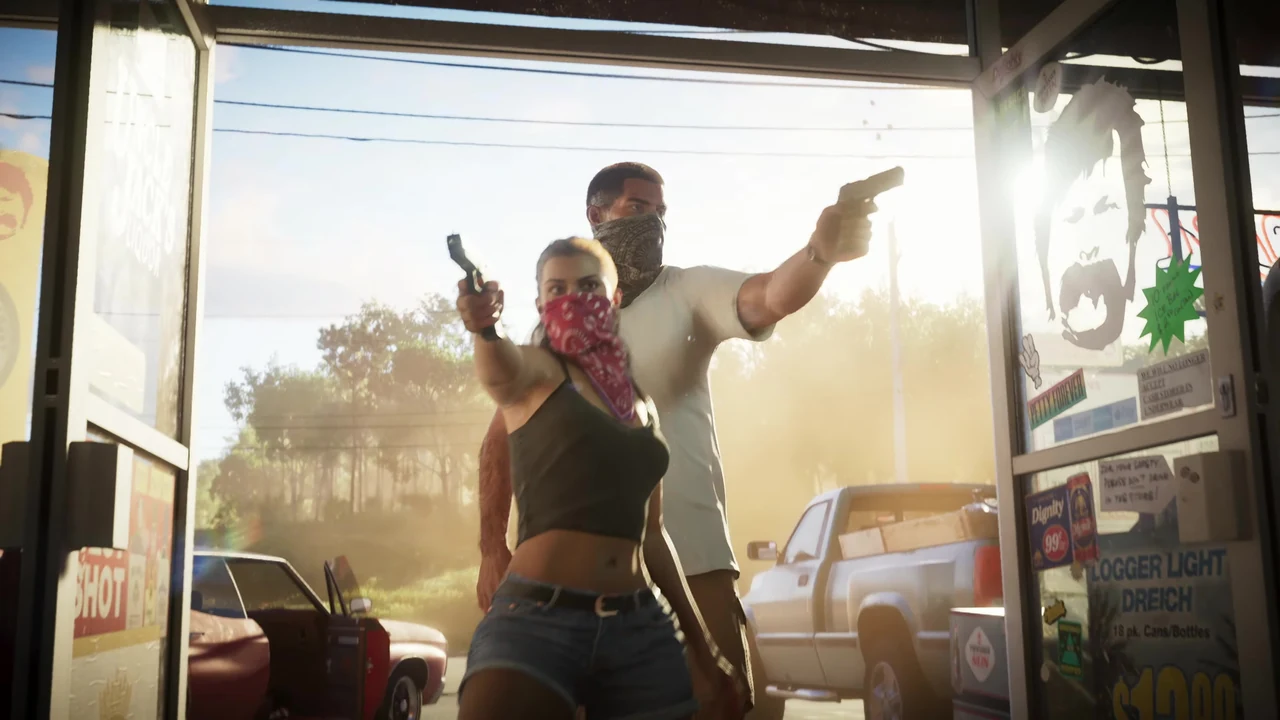
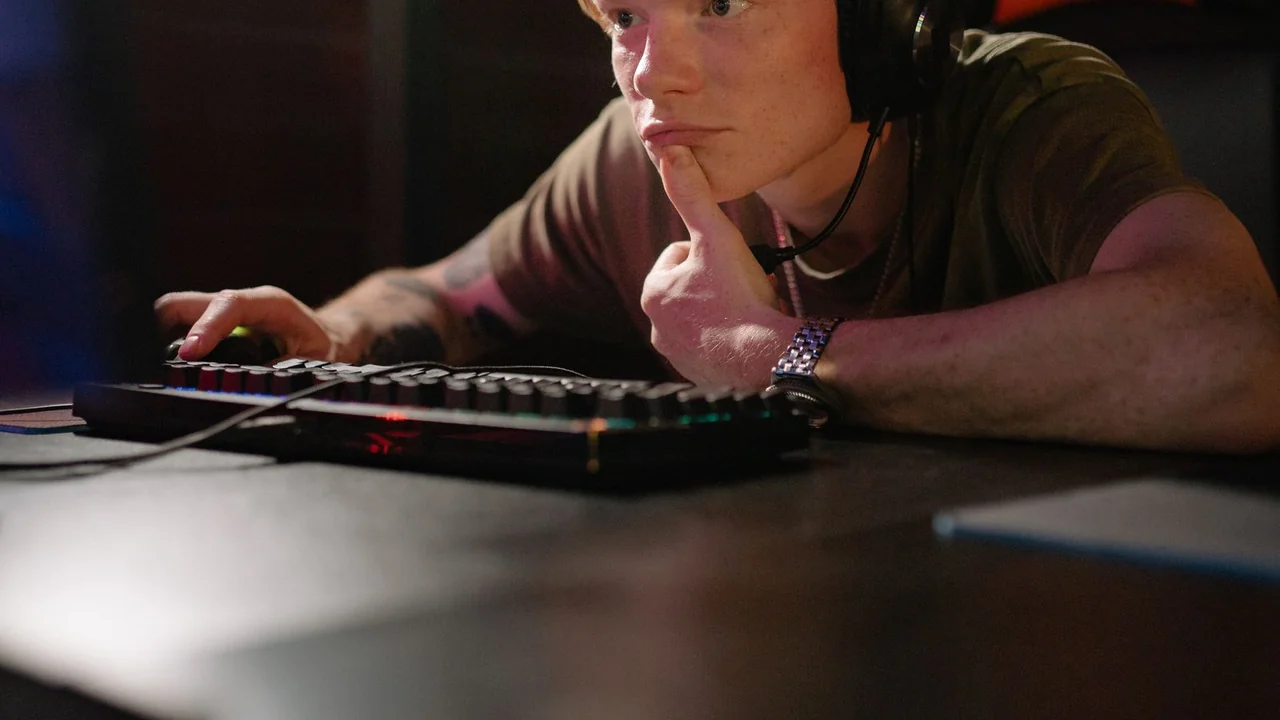



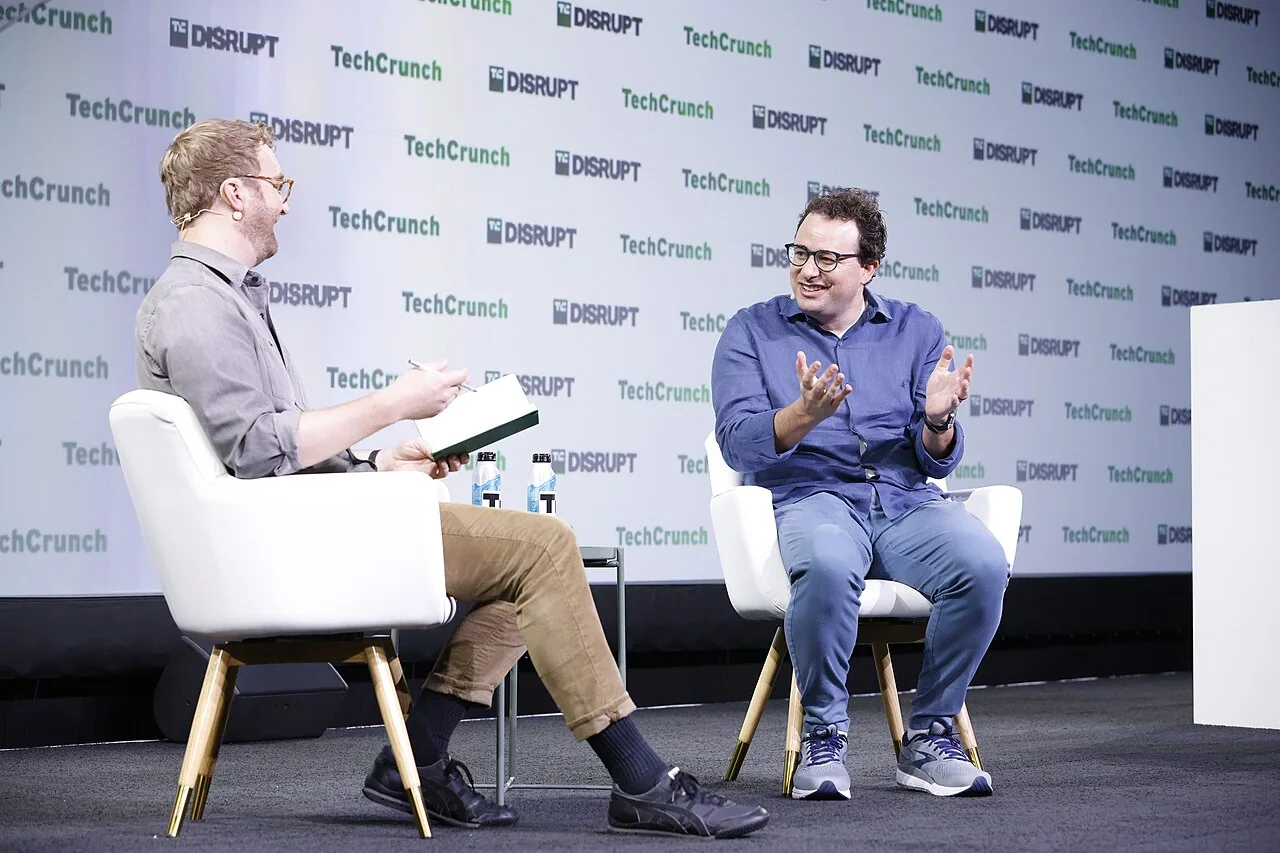



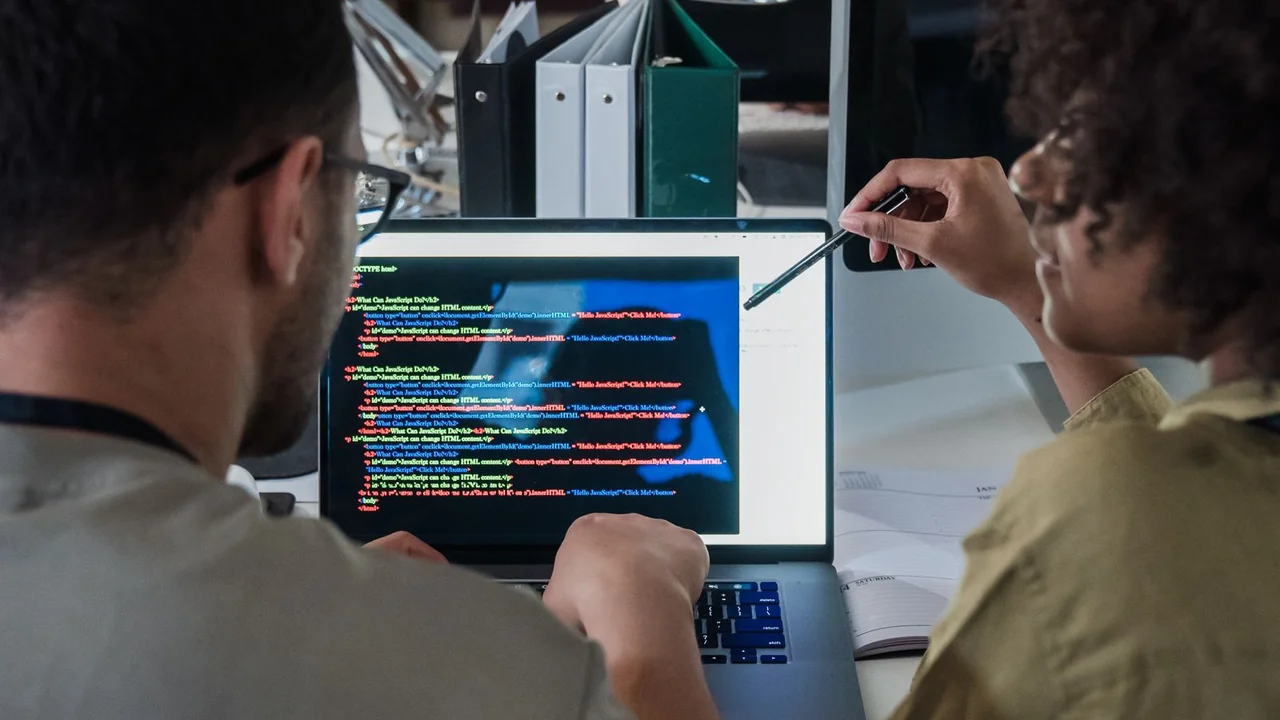
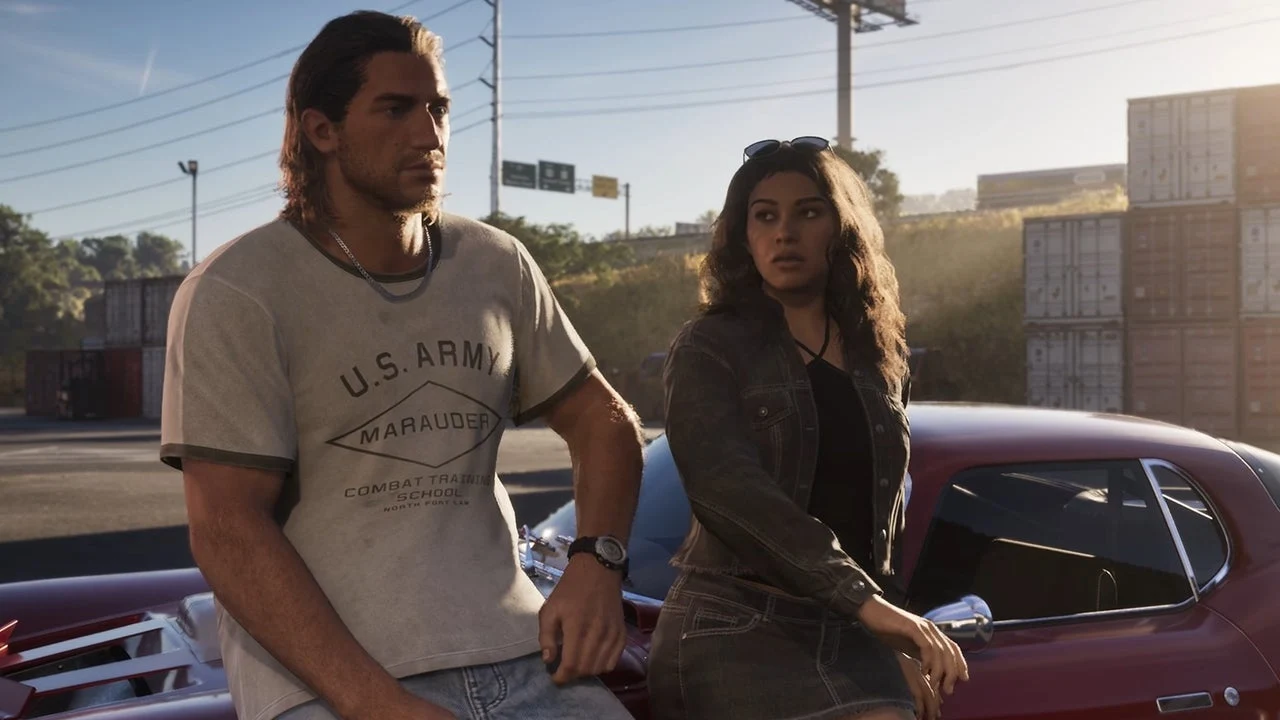






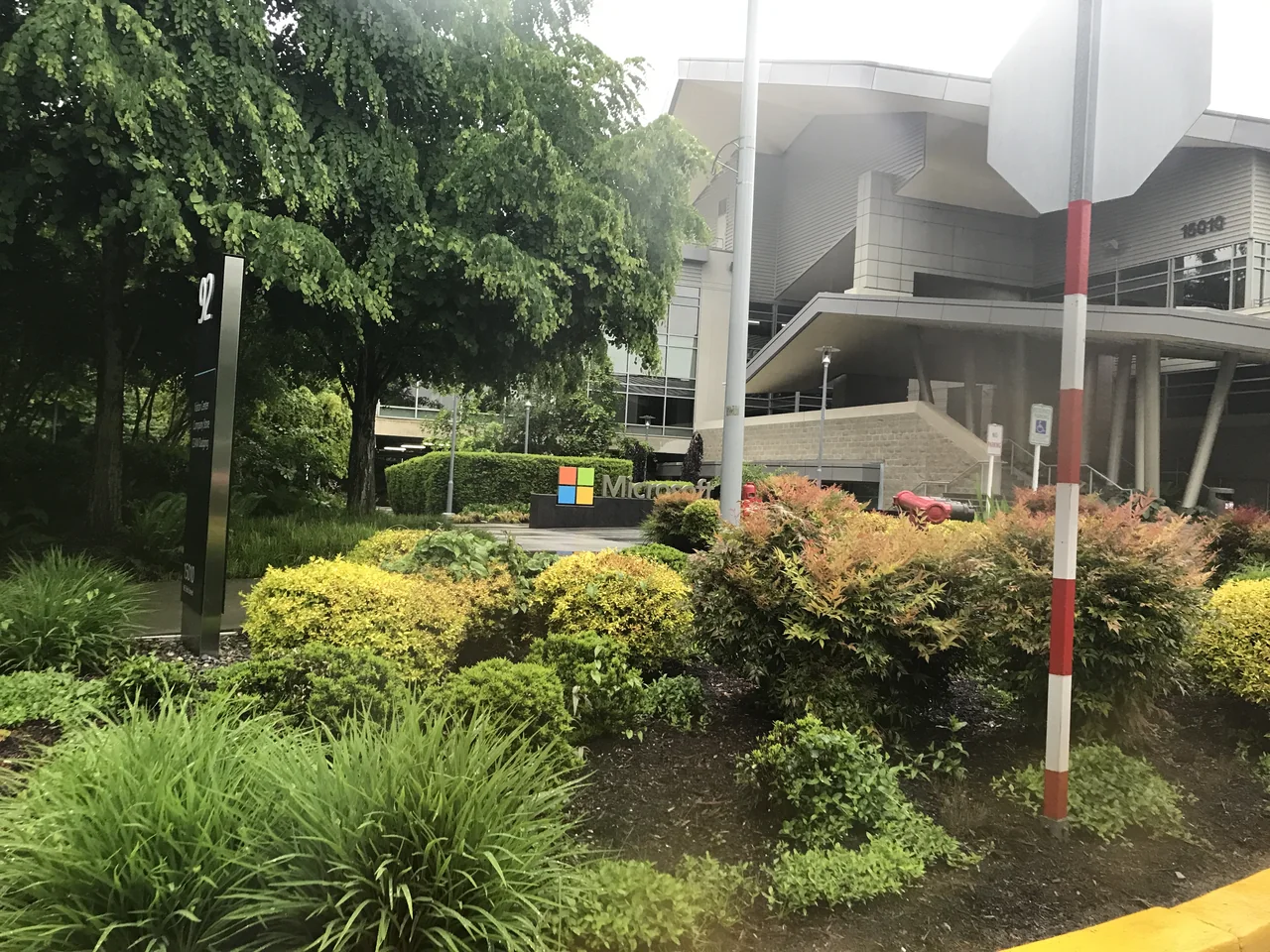


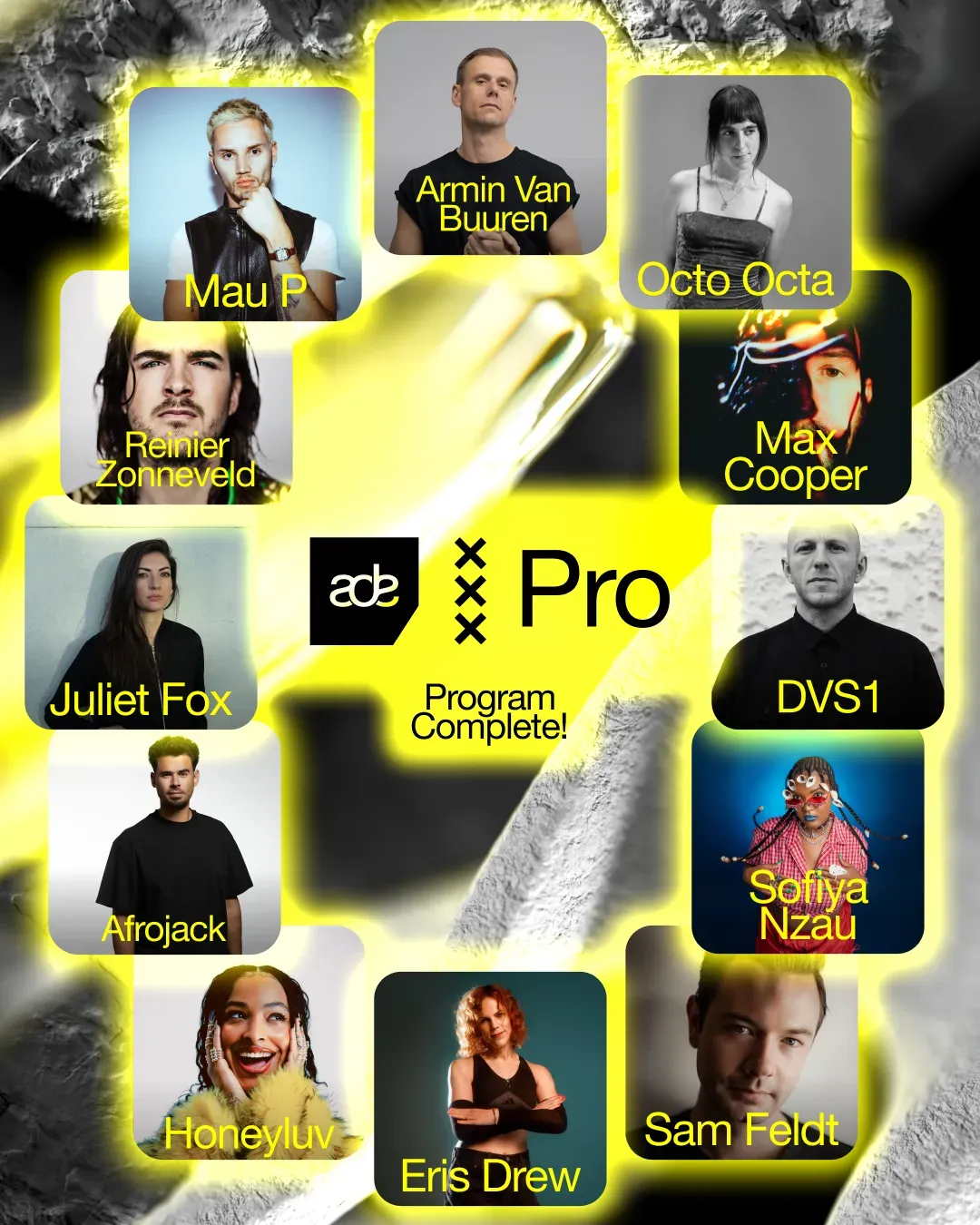



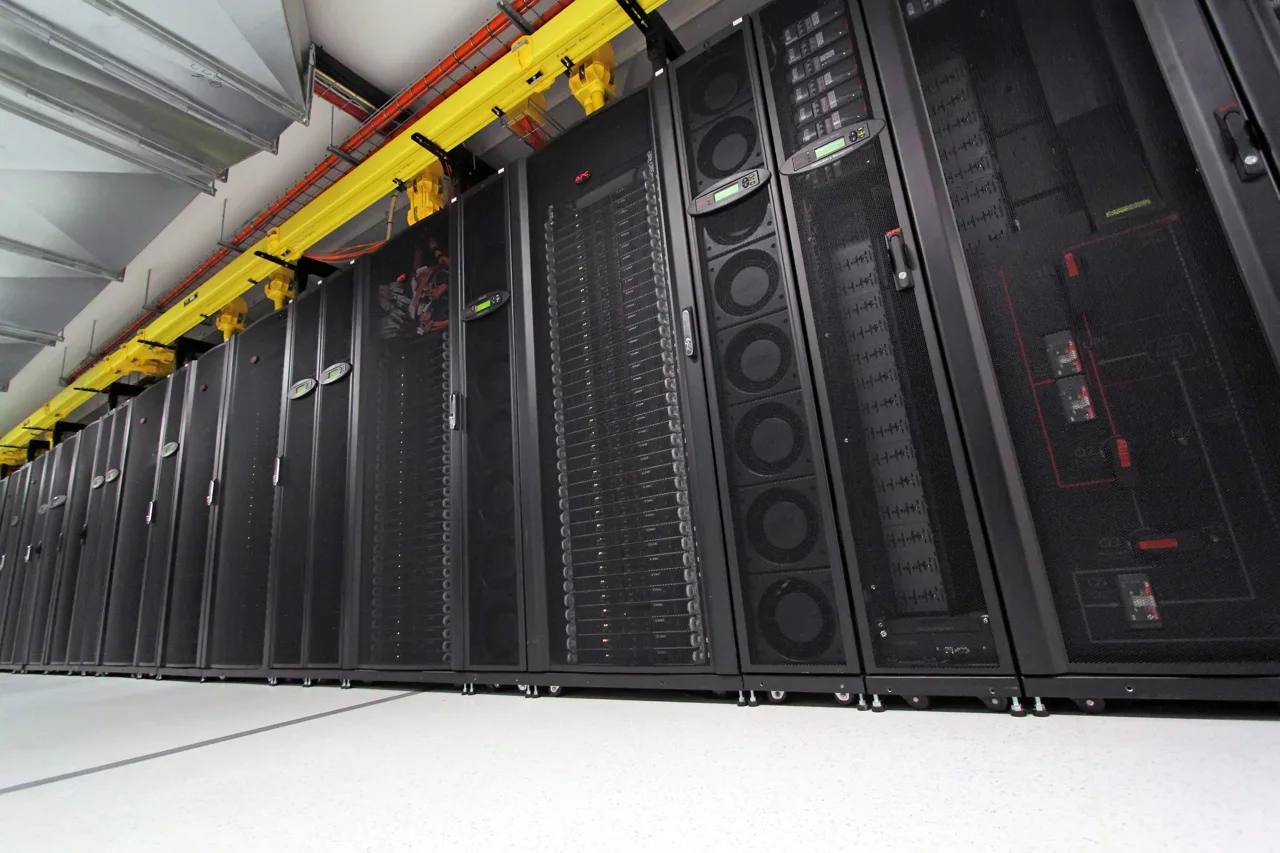


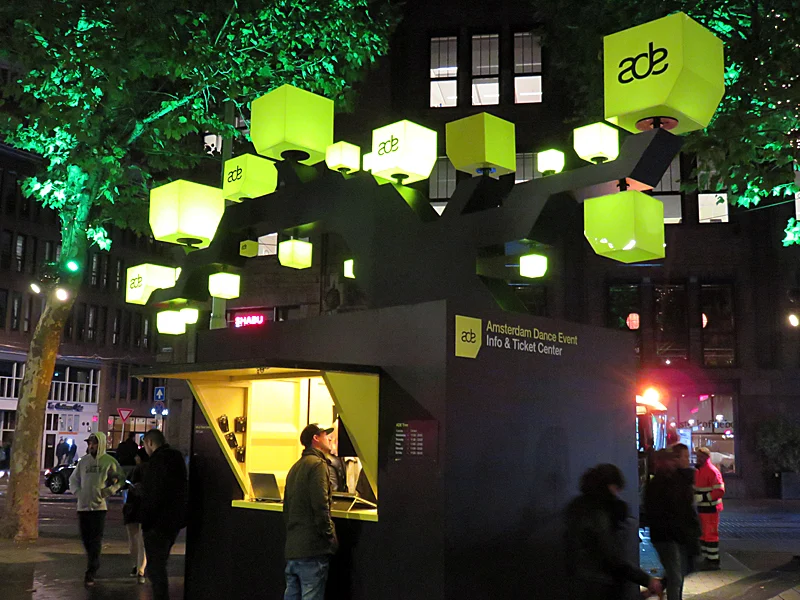

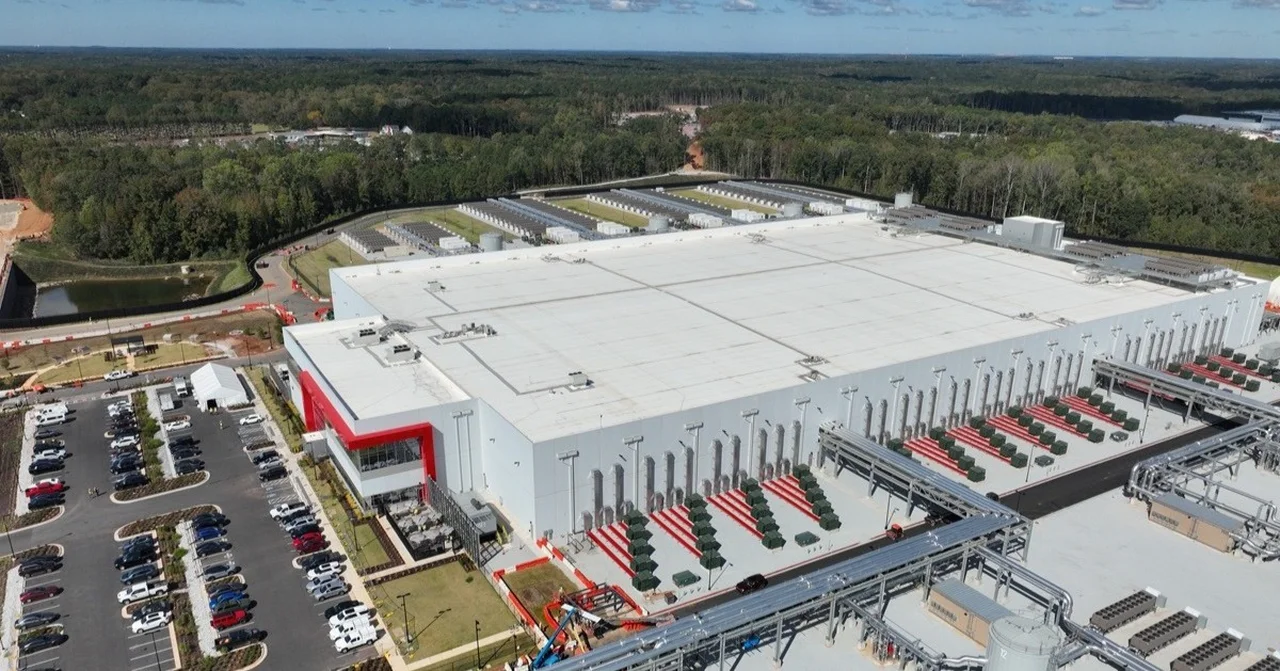



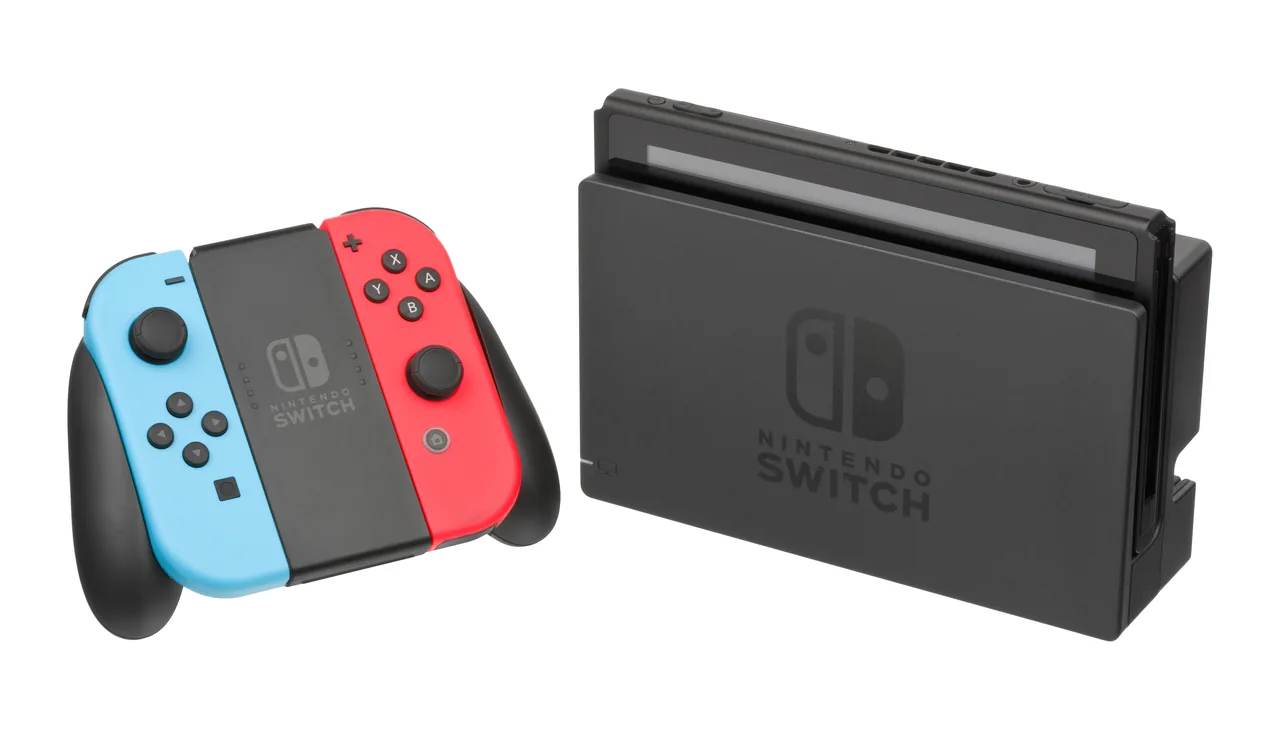




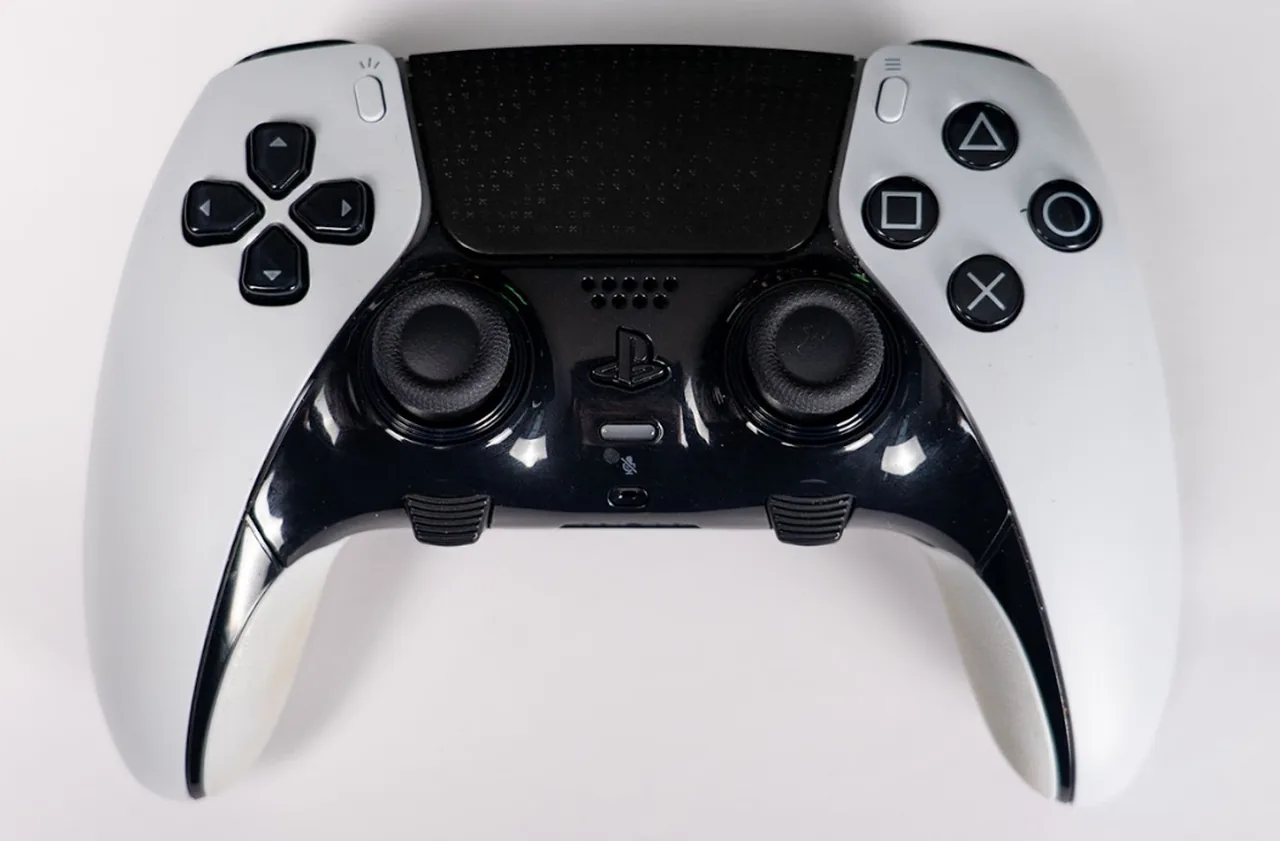














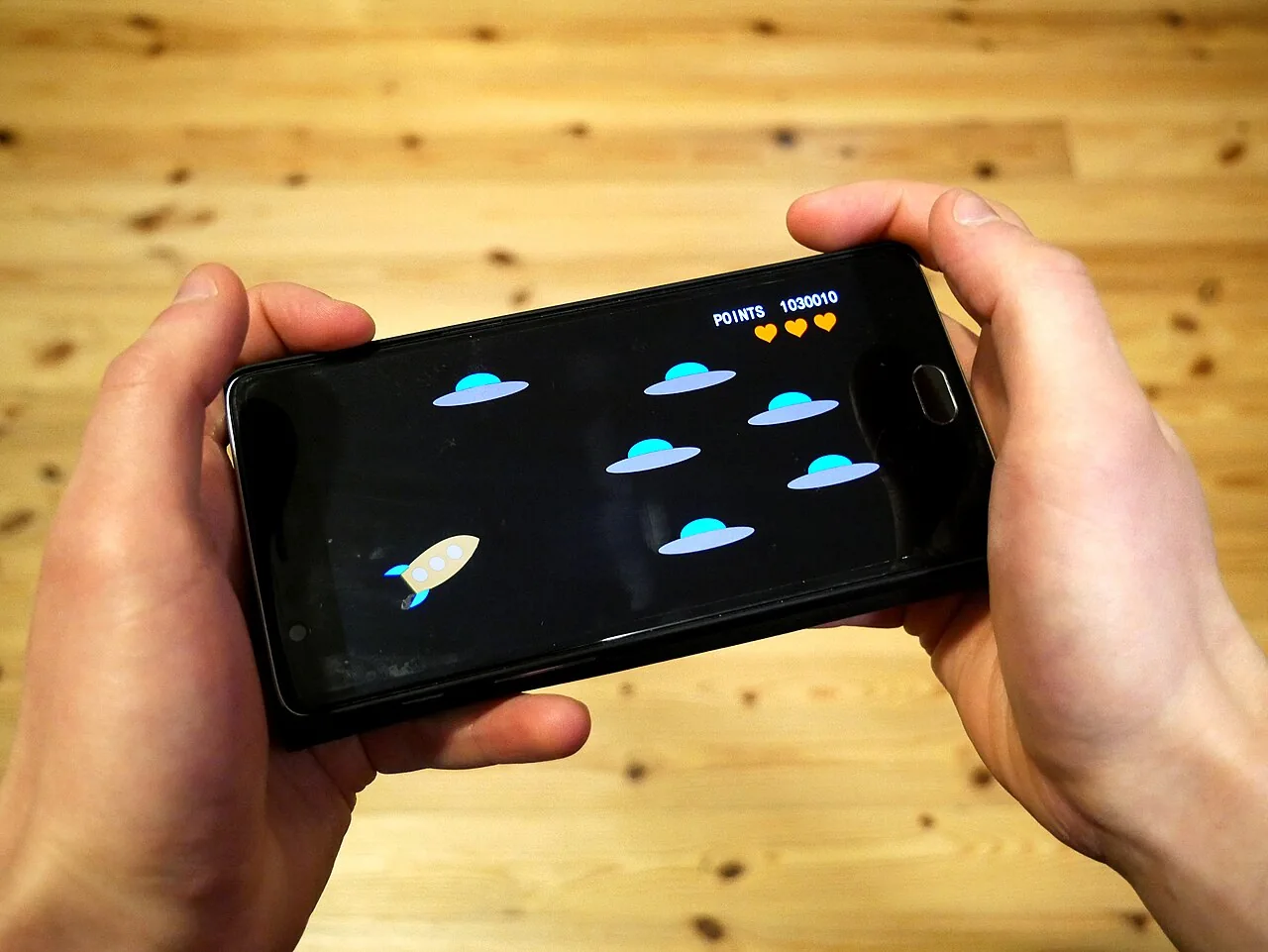

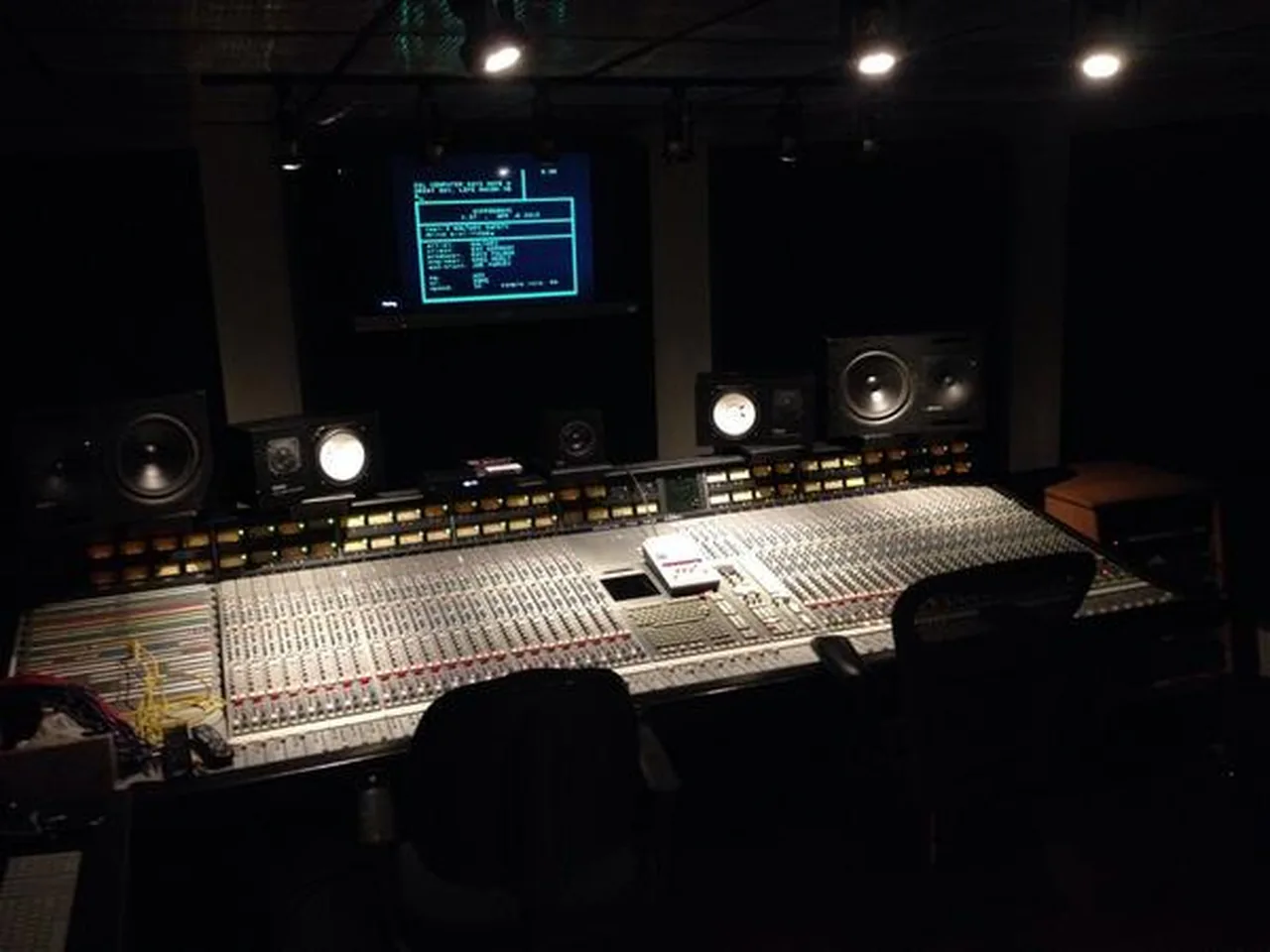




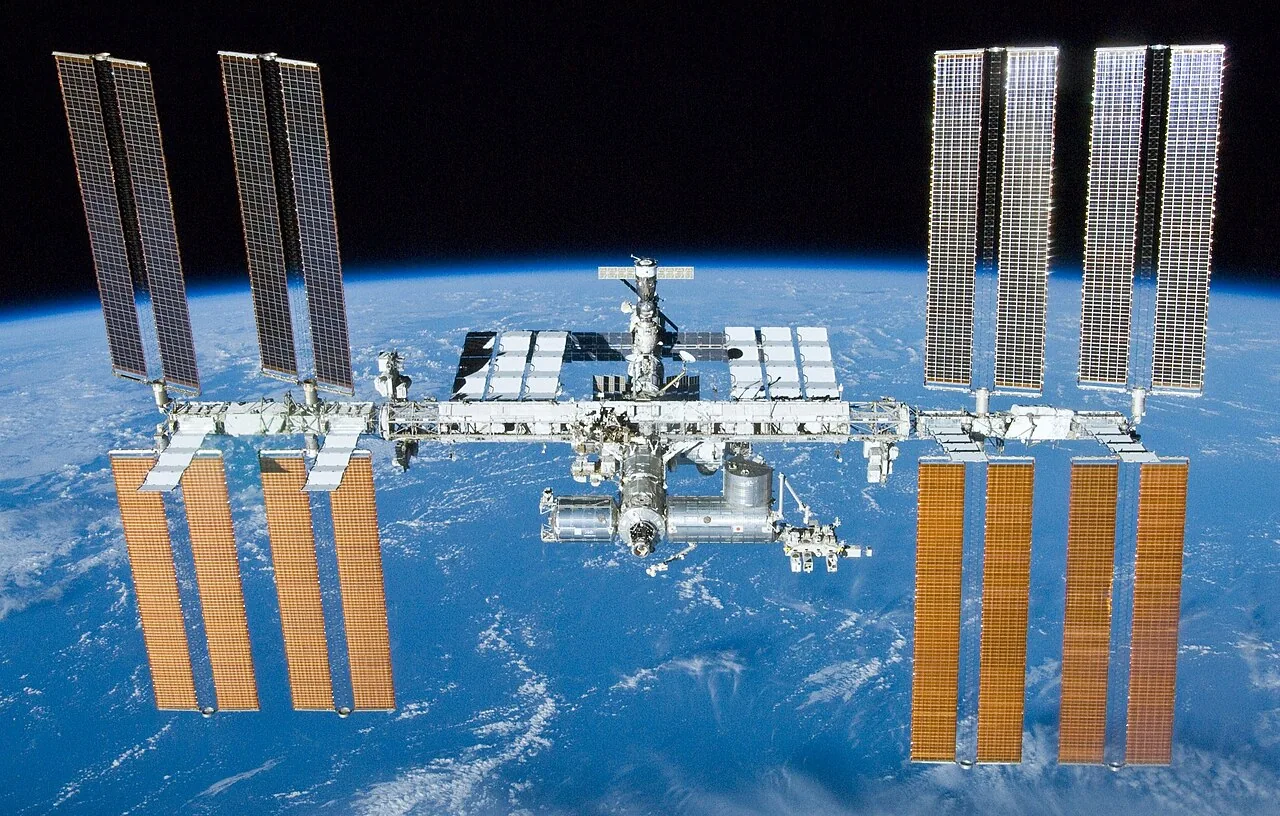

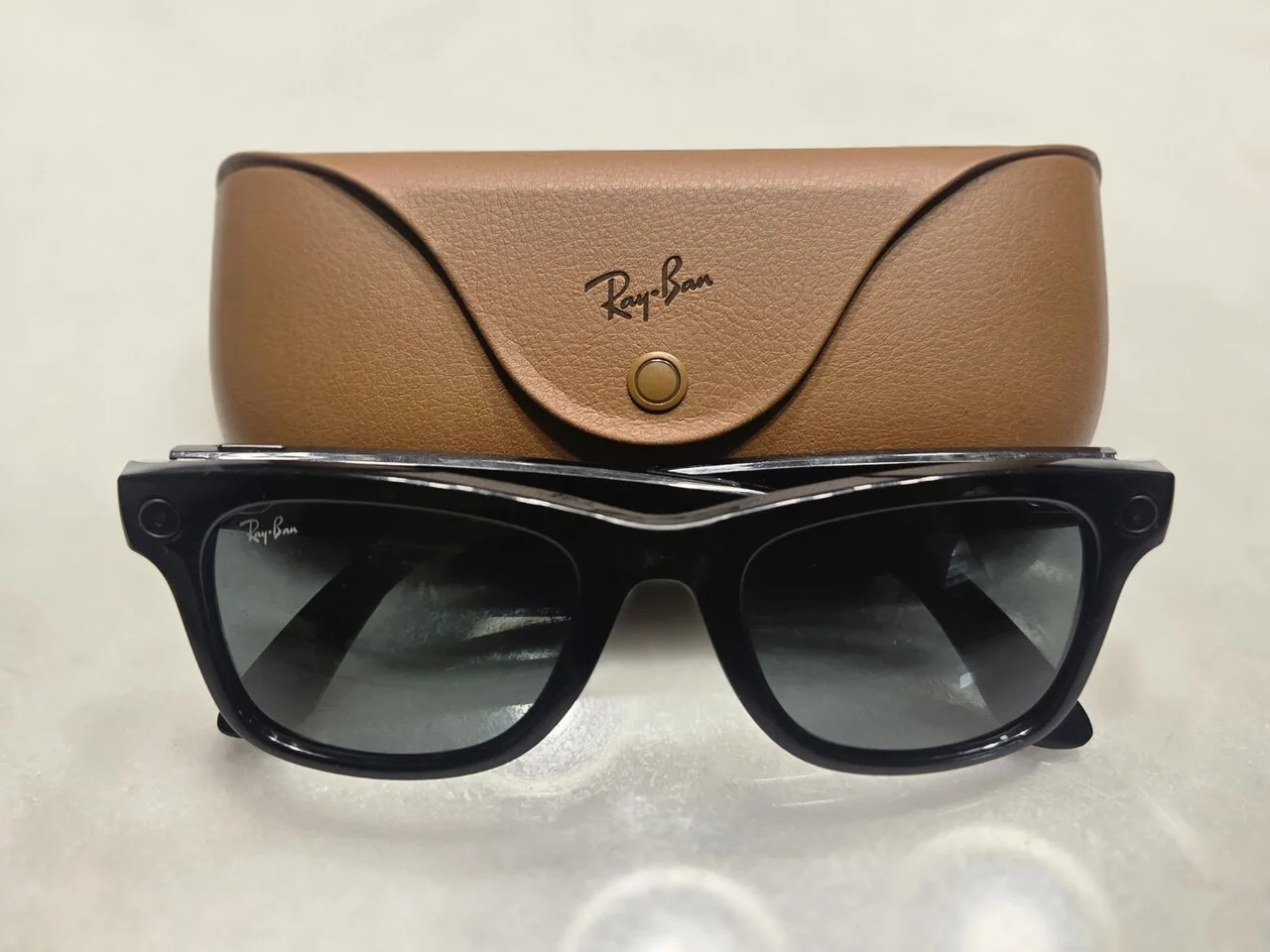











































Questions or Corrections
Contact Reinout with the canonical URL and the passage or image record concerned.