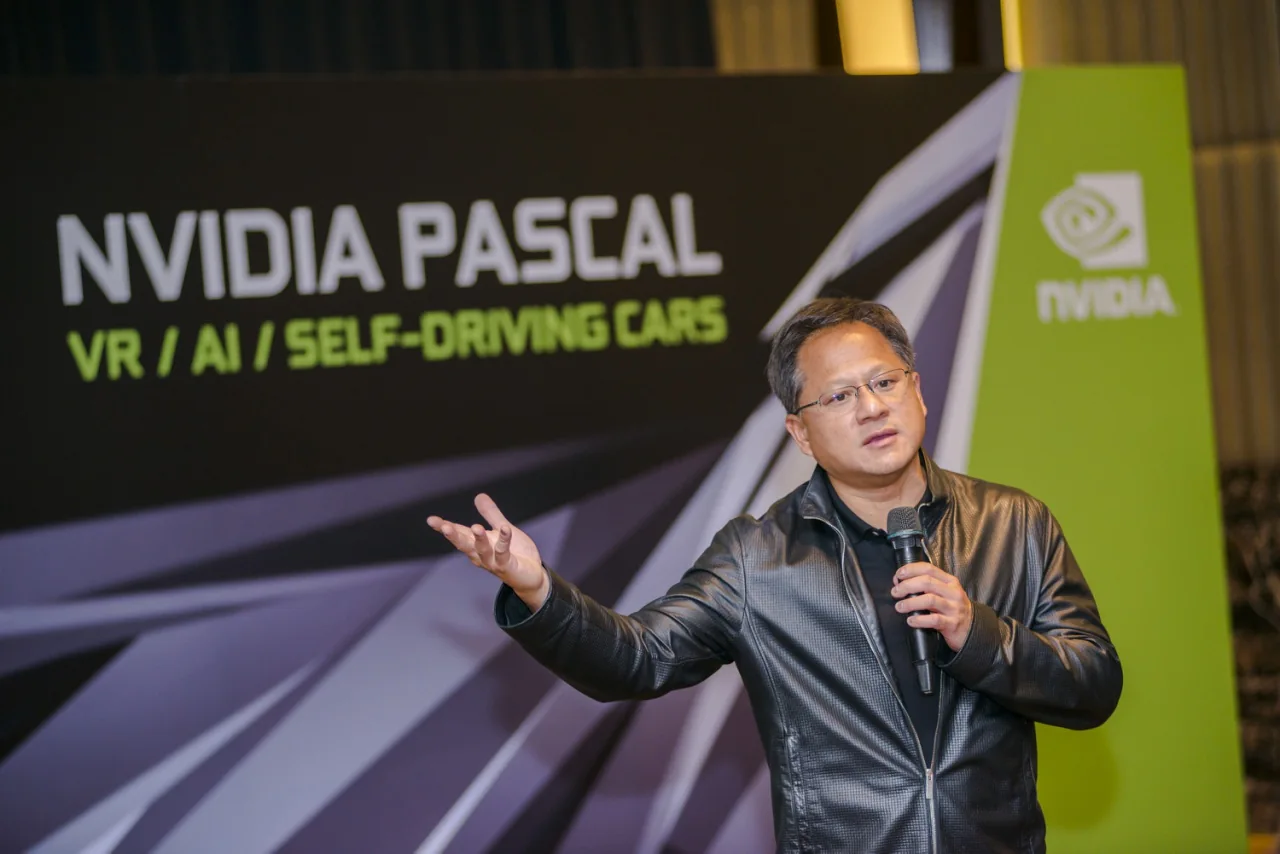
Jensen Huang Admits an Affair. What Does NVIDIA’s Spy Investigation Mean?
What did Jensen Huang admit, who is Alice Huang, and why is Nvidia investigating? The confirmed facts, unanswered questions and possible impact on AI.
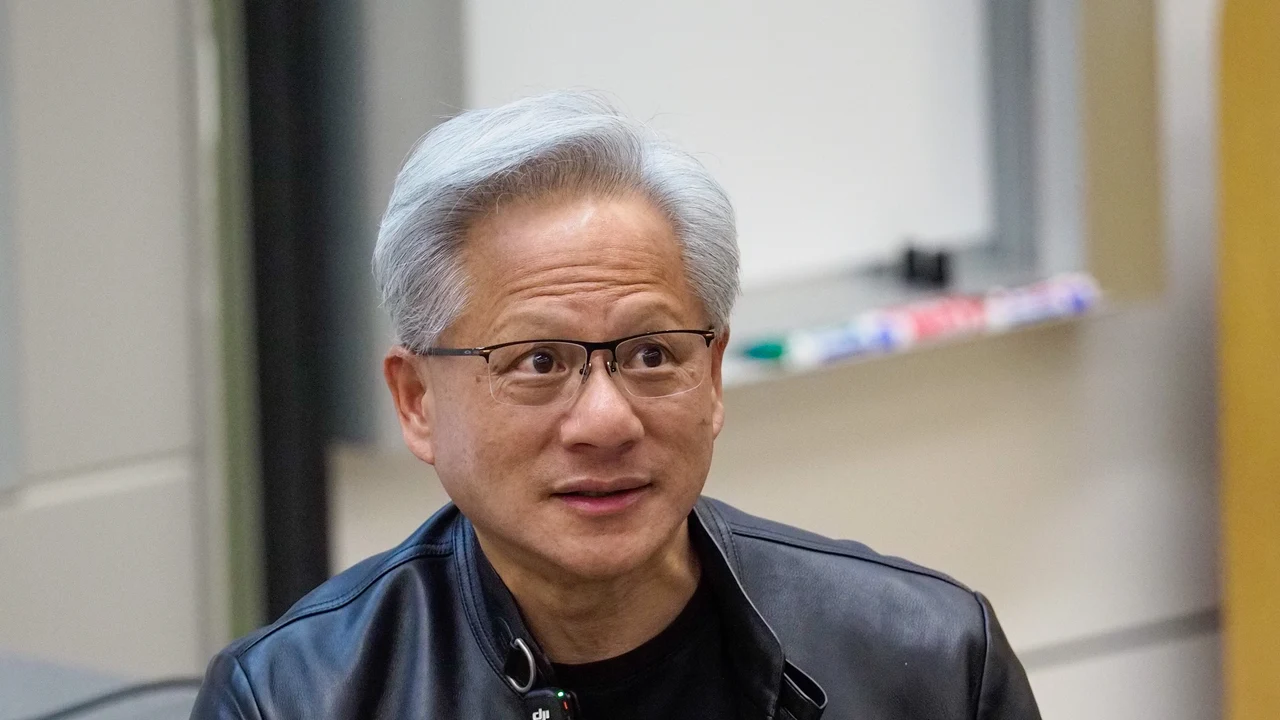
Jensen Huang’s latest message to Nvidia employees began with an apology. The man who leads one of the world’s most important technology companies said he had been unfaithful to his wife.
For his family, that is painful enough. For Nvidia’s employees, customers and shareholders, the surrounding allegations raise another question: could a private relationship have exposed the company to a foreign intelligence operation?
Nvidia has opened an independent investigation. Huang remains CEO. There is no published finding that company secrets were stolen.
Those distinctions matter. This story combines an acknowledged personal failure with serious, unresolved allegations about China, intelligence gathering and access to advanced AI chips. Understanding it requires keeping those strands separate.
What has Jensen Huang actually admitted?
In his November 8 message to employees, Huang wrote: “I was unfaithful to my wife.” He accepted responsibility for hurting his wife and children and apologised to colleagues, directors, partners and shareholders.
It is a strikingly personal statement from a business leader whose public role normally centres on technology, customers and the future of computing.
But the wording has limits. Huang did not identify the woman. He did not admit passing confidential information, knowingly meeting an intelligence operative or breaking export restrictions.
His admission establishes infidelity. It does not, by itself, establish espionage.
He also promised full cooperation with the board’s investigation. The people closest to him now face the consequences of his choices while investigators examine a different set of responsibilities.
Who is Alice Huang, and what is she accused of?
Alice Huang, also known as Huang Le, is a Chinese businesswoman associated with Megaspeed, a Singapore-based Nvidia customer. She and Jensen Huang are not related, according to Reuters’ account of the investigation, which describes her as a former executive.
Reporting published by The New York Times on October 29 said American intelligence officials had concluded that she was providing information to Beijing and had developed a close relationship with Nvidia’s chief executive.
The Financial Times subsequently reported that US officials believed their relationship was romantic. It also described an intelligence-based memo alleging that China’s Ministry of State Security had recruited her.
These are serious allegations attributed to intelligence sources. The underlying classified evidence is not available for readers to inspect. China has denied the spying claims.
It would therefore be premature to describe every allegation as an established fact.
Why does Megaspeed matter to this story?
Megaspeed connects the personal relationship to a commercial question. It buys Nvidia technology, and US authorities have scrutinised whether it helped China obtain advanced AI chips restricted from shipment there.
That concern gives the relationship potential significance beyond private conduct: a person associated with a customer under scrutiny reportedly had close access to the supplier’s chief executive.
Nvidia has defended Megaspeed. In Bloomberg’s examination of the company’s earlier statements, Nvidia said its own review had found no evidence of chip diversion and described Megaspeed’s cloud service as permitted under export rules.
The competing positions need to remain visible. Scrutiny is not proof of illegal shipments. An internal review finding no evidence is also different from an independent public determination that nothing happened.
Investigators need to establish whether commercial decisions were affected by the relationship. That could mean examining access, approvals, exceptions and the handling of concerns, rather than assuming that a personal connection automatically produced favourable treatment.
For readers unfamiliar with the technology, access has several meanings here. Buying a physical chip, renting computing capacity and learning a supplier’s confidential plans are different activities. Evidence about one does not automatically establish another. The investigation should distinguish the commercial relationship from the alleged intelligence operation, then test where they intersected.
What is Nvidia’s board investigating?
In its November 8 announcement, Nvidia’s board said it was initiating an investigation following reports that Huang had been targeted by a foreign intelligence effort.
A committee of independent directors, assisted by independent outside lawyers, will oversee the inquiry. Huang supports the review, and the board expressed confidence in him and his leadership team.
The board also said it had no reason to believe that national security or Nvidia secrets had been compromised.
That statement offers reassurance, but it is a position at the beginning of an investigation. It is not a published conclusion following a completed examination.
The announcement provides no timetable for completion or detailed public terms of reference. The quality of the eventual answers will depend on what investigators examine, the evidence they obtain and how clearly the board explains its conclusions.
There is another distinction worth preserving: being targeted does not mean knowingly cooperating. A successful approach could depend on someone failing to recognise the purpose of a relationship. Equally, describing someone as a target does not settle whether they exercised sound judgment or followed internal disclosure requirements. Those questions require their own answers. Public attention will not make those distinctions disappear.
Why are Nvidia’s earlier reassurances now under pressure?
Nvidia initially portrayed Huang’s interactions with Alice Huang as ordinary customer contact. Bloomberg reported that Huang himself described the dealings as normal and connected to Megaspeed.
His subsequent admission creates an obvious credibility problem around that earlier presentation, although his apology does not identify Alice by name.
The important question is what informed those reassurances. Did the people speaking for Nvidia know the full circumstances? Were they relying on incomplete information? Had the relationship been disclosed internally?
Those are questions, not findings of dishonesty.
A company can suffer lasting damage when confident public statements turn out to have rested on assumptions. The board needs to understand how the earlier explanations were checked, as well as what happened between the individuals involved.
What has the US Congress already done?
Political scrutiny is already concrete. In an official announcement published November 5, three House committee chairs requested a joint, closed-door briefing with Huang.
Brian Mast, John Moolenaar and Rick Crawford asked him to discuss his interactions with Alice Huang and Nvidia’s protections against foreign espionage.
They proposed November 18 and requested acceptance or an alternative date by November 11.
That is a request for a briefing, not confirmation that Huang has agreed to appear. It does show that the questions now extend beyond Nvidia’s own boardroom.
China, meanwhile, rejected the accusations on November 9. As Associated Press reported, foreign ministry spokesperson Guo Jiakun called the allegations unsubstantiated and a smear against China.
That denial belongs in the account. It does not resolve the competing claims.
Could Huang lose his job, and could this affect AI?
Huang remains in charge. Nvidia told Reuters he intended to continue leading without interruption, while analysts raised the possibility that the investigation’s findings could eventually threaten his position.
The risk is understandable. A founder can become central to customers’ confidence, strategic decisions and investor expectations. Questions about that person then become questions about the organisation’s continuity.
The market has already reacted. AP reported an approximately 5% decline in Nvidia shares in early US premarket trading on November 9. That was an early trading snapshot, not a closing result.
The possible business consequences depend on evidence. If investigators find no sensitive disclosure or improper treatment, the damage may centre on trust, judgment and tighter safeguards.
If they find that information was exposed or commercial controls were bypassed, the consequences could be substantially more serious.
For the wider AI industry, the potential transmission points are Nvidia’s leadership, customer checks and restrictions on international business. The news itself does not establish that chip production has stopped, orders have been cancelled or AI demand has weakened.
My earlier analysis of AI investment expectations explains the broader market backdrop. The separate examination of Nvidia’s overlapping roles as investor and chip supplier provides context on commercial dependence; neither article establishes wrongdoing in the current investigation.
For businesses assessing technology suppliers, the practical questions about business governance and controls concern responsibility, access and verification. The current investigation is a supplier-governance case, not evidence that an AI tool itself caused a security failure.
Those outcomes should not be smuggled into the story as facts.
For people working with Nvidia, the useful signals will be concrete: changes to customer approval, additional checks on sensitive meetings, a clearer succession discussion or a published account of the board’s findings. A dramatic headline alone cannot tell a developer whether their next project faces disruption. That requires operational evidence. The same discipline should guide investors assessing whether this becomes a lasting business problem.
My take: what did access to the CEO actually allow?
My concern is the possible combination of personal access to the CEO, a customer under suspicion and insufficient internal controls.
Each element needs evidence. Together, if substantiated, they could reveal a serious weakness in how a strategically important company protects itself.
The decisive questions are straightforward. What information did Alice Huang receive? Did Jensen Huang know of any intelligence connections? Did she or Megaspeed receive demonstrable preferential treatment?
That means looking beyond apologies to records: communications, meeting access, commercial decisions and the handling of warnings.
I also want to know whether Nvidia’s safeguards applied to its founder as rigorously as they applied to everyone else. A company’s success cannot answer that question. Neither can confidence in the person who built it.
Until those questions are answered, both “nothing happened” and “Huang helped China” go beyond the available evidence.
His family deserves privacy. Employees, customers and shareholders deserve an investigation that establishes what happened and explains what needs to change.
Filed under