Why Anthropic Is Restricting Claude Game Clones Now
Anthropic is restricting game cloning in Claude Code. Why now, and what does it mean for indie developers, players and investors before the next game launches?
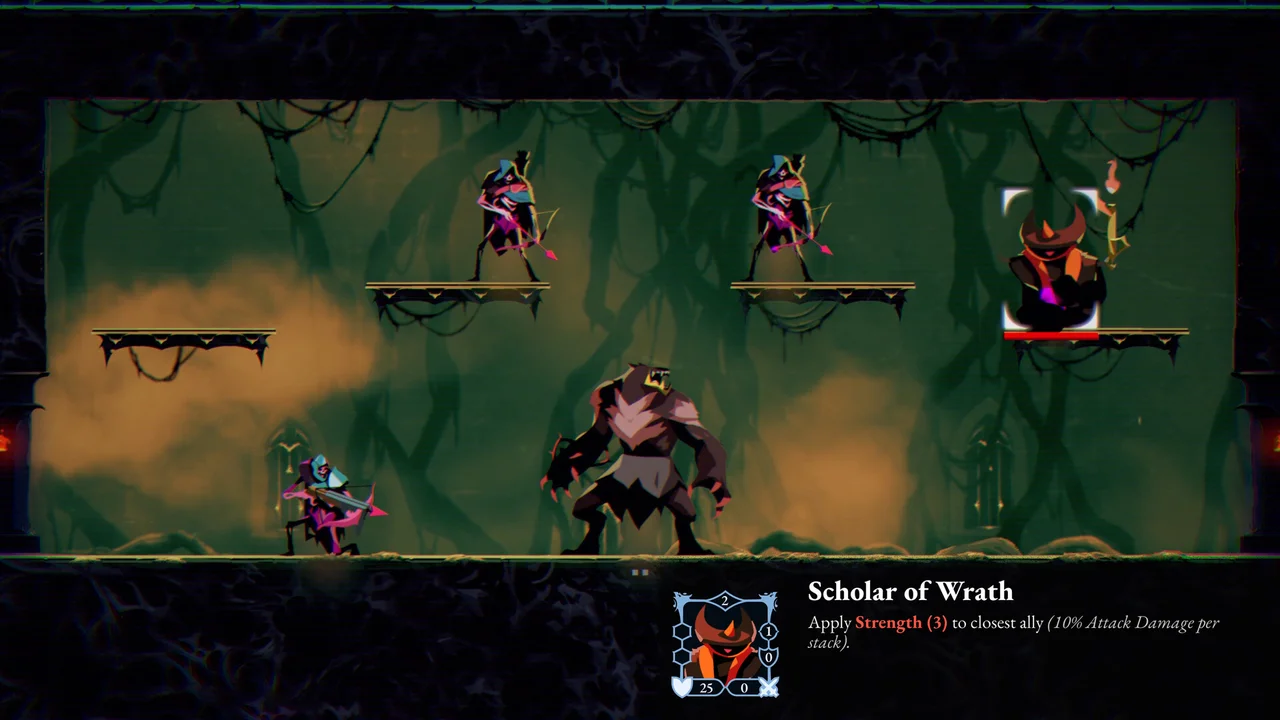
A small game studio needs people to play its unfinished game. Feedback helps improve it. Videos help people discover it. A promising demo gives potential customers a reason to care before release.
But what happens when showing the game also helps someone else build a competing version and launch first?
That question explains why Anthropic’s latest restriction matters beyond Claude users. AI is changing the calculation behind showing an unfinished game to the public. The consequences reach developers, players and anyone putting money into a studio that still needs time to finish its work.
What has Anthropic changed in Claude Code?
On October 30, Anthropic confirmed that it had added instructions to Claude Code on Opus 5.5 discouraging the recreation of someone else’s specific game. As Game Developer’s report on the Claude game-cloning restriction explains, original games, genre games and projects using the user’s own designs and assets are supposed to remain supported.
The distinction matters. Making a tower defense game is different from asking Claude to reconstruct a particular tower defense title. Changing the title of the resulting copy does not put it outside the reported rule.
This is an instruction intended to change the tool’s behaviour. It does not establish that Claude has lost the technical ability to reconstruct games, or that every Claude product now applies an identical restriction.
Why are indie developers worried about AI game clones?
Consider Digital Sun, the studio behind Moonlighter. On October 19, it announced a smaller initial test for its upcoming game ReVamp instead of the planned broad public playtest.
In explaining the ReVamp playtest delay, the studio pointed to fears that games could be reverse-engineered, copied and published before their originals. A more contained Discord test was announced for October 29, with a public test envisaged around January.
This does not prove that ReVamp has been cloned. It proves something immediately relevant: concern about copying has already changed a developer’s decisions.
There is a cost on either side. Release a demo and expose more of the design. Keep it private and lose opportunities for feedback, coverage and discovery. For an unfamiliar studio, silence can be expensive too.
Is copying a game idea the same as stealing its code?
No, and treating those as interchangeable makes this debate harder to understand.
The U.S. Copyright Office’s guidance on games distinguishes an unprotected game idea or method of play from expressive material that can qualify for protection. The European Commission’s overview of video game intellectual property identifies elements such as source code, artwork, music and story material as relevant areas of protection.
A similar mechanic does not automatically establish infringement. Equally, writing fresh code does not automatically make copied artwork or other protected expression acceptable.
There are concrete allegations beyond lookalike concepts. In an October 17 statement about alleged code copying, developer NoGlyph identified matching classes, functions and error messages in a competing game. It said it had filed a copyright notice with Valve.
Those are the developer’s allegations, not an independent finding. The statement also does not establish that AI performed the copying. That distinction prevents a code dispute from becoming unsupported evidence about what AI did.
Can Anthropic’s restriction actually stop game cloning?
It can add friction to one route. Whether it substantially reduces copying is still unknown.
A prompt instruction is not a rights registry. The difficult cases include authorised remakes, licensed ports and projects that resemble an existing game while using material their developers genuinely control.
Anthropic’s Addy Osmani has invited reports when Claude refuses work belonging to the user. That acknowledges the practical challenge: discouraging unauthorised reconstruction while preserving legitimate development.
There are no published results in the material examined showing how often this intervention blocks harmful copying or interrupts permitted work. Users can also choose other tools. One company’s rule cannot guarantee protection across an entire market.
Why does Steam matter as much as Claude?
A clone needs somewhere to reach customers. That makes distribution part of this story.
In Valve’s October 27 answers to developers concerned about AI clones, Tom Giardino argued that copying predates AI and emphasised community, trust and continued improvement. Valve does not want to dictate which development tools creators use. It also said it wanted to examine reported extortion cases and help where possible.
The limitation is that building trust takes time. An unknown developer may be trying to establish precisely the community that Valve recommends as protection.
For players, the issue is whether they can identify the game they originally saw and judge competing releases fairly. For studios, it is whether visibility gained before launch translates into customers for their own work.
What should developers and investors watch next?
My view is that this makes the period between a successful reveal and release more commercially sensitive. A simple, immediately understandable hook is useful marketing. It can also make a concept easier to imitate.
That does not mean studios should stop publishing demos. It means deciding what to show, when to show it and how much development remains should be deliberate choices.
Established studios may have more room to manoeuvre because audiences already recognise their names. A newcomer has to earn that recognition while revealing enough to make the game interesting. If fear pushes testing into smaller private groups, players could lose chances to discover unusual projects before release. Developers could receive narrower feedback. These are plausible consequences of the choices now being made, rather than measured industry outcomes. They are also why this deserves attention beyond arguments about AI.
Investors should ask what makes players return beyond the initial concept: quality, depth, distinctive content and an ongoing relationship with the team. Those assets take work after a prototype attracts attention.
The next meaningful evidence will be fewer harmful copies, fewer mistaken refusals and developers feeling able to test publicly again. A policy announcement alone cannot demonstrate those outcomes.
If developers need an audience before launch, can they still afford to show their best ideas early?
Filed under